



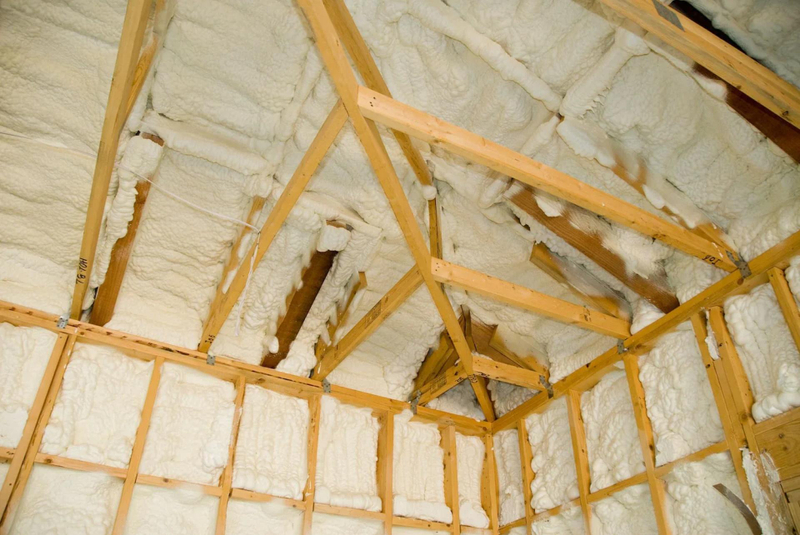
Offices in Marietta, OH face high energy costs due to inconsistent building insulation and seasonal temperature changes. Enhancing office energy efficiency with spray foam is a direct and highly effective solution. It reduces heating and cooling demands by forming a continuous thermal and air barrier in walls, ceilings, and floors.
Spray foam minimizes energy loss, stabilizes indoor temperatures, and prevents outside air and moisture from seeping into the workspace. This leads to improved comfort and significantly lower utility expenses throughout the year.
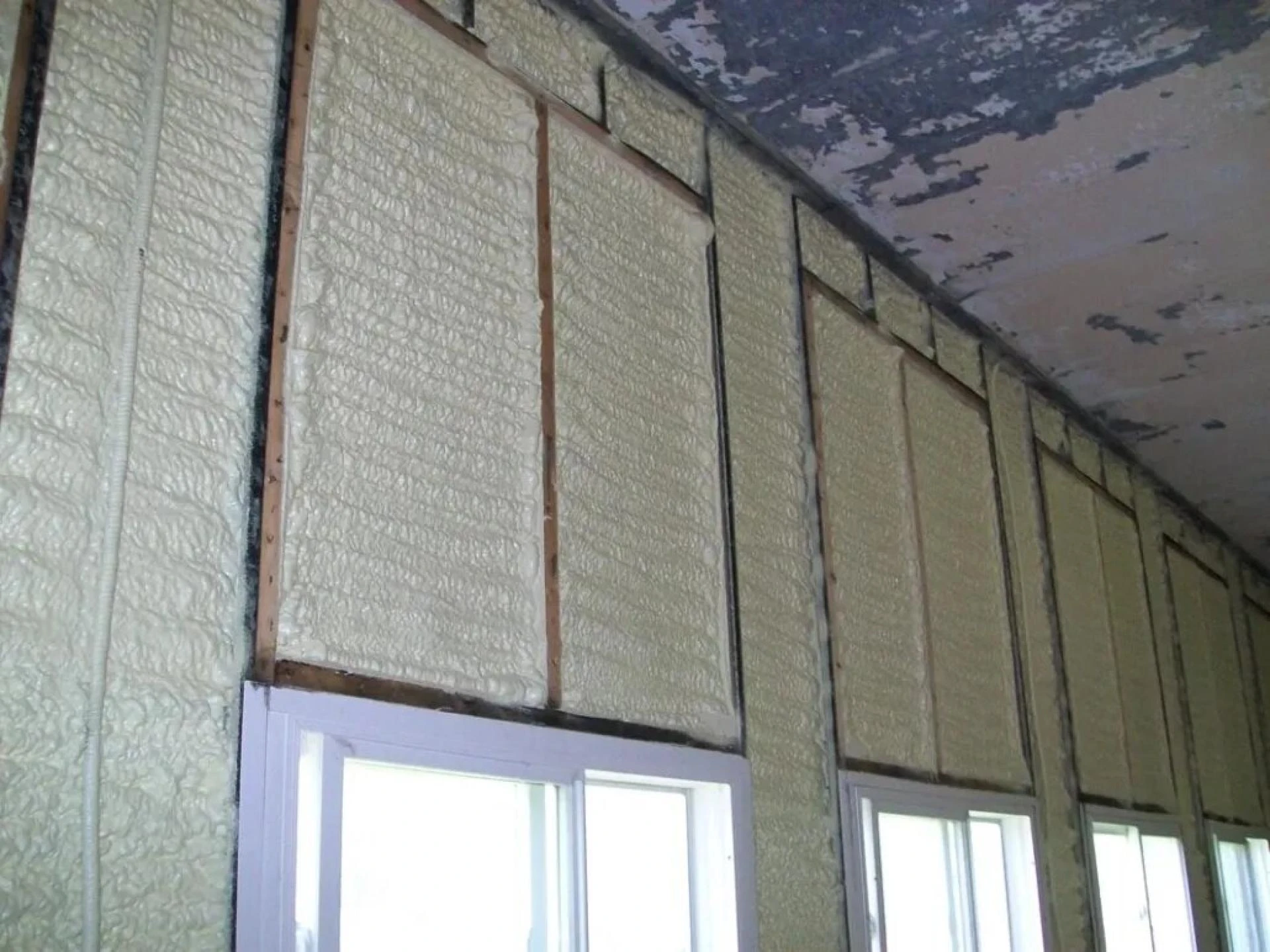
This article outlines how spray foam supports energy-efficient office operations, compares key insulation options, presents technical specifications, and addresses common questions building managers and business owners may have.
Types of Spray Foam Used in Office Spaces
Closed-Cell vs Open-Cell Spray Foam
Each type of spray foam has different performance benefits depending on the design, location, and insulation goals of the office building.
Comparison Table: Closed-Cell vs Open-Cell Spray Foam
Feature
Closed-Cell Spray Foam
Open-Cell Spray Foam
R-Value per Inch
~6.5–7.0
~3.5–3.8
Density
High (~2.0 lb/ft³)
Low (~0.5 lb/ft³)
Air Sealing
Excellent
Good
Moisture Barrier
Yes
No
Structural Rigidity
Adds stiffness to walls
No added support
Sound Absorption
Moderate
High
Cost per Square Foot
Higher
Lower
Best Use
Exterior walls, roofs, floors
Interior walls, ceilings
Bonus Tip: Closed-cell foam is ideal for Marietta offices needing moisture resistance or located in flood-prone zones.
Energy Efficiency Advantages in Commercial Settings
Reduced Heating and Cooling Costs
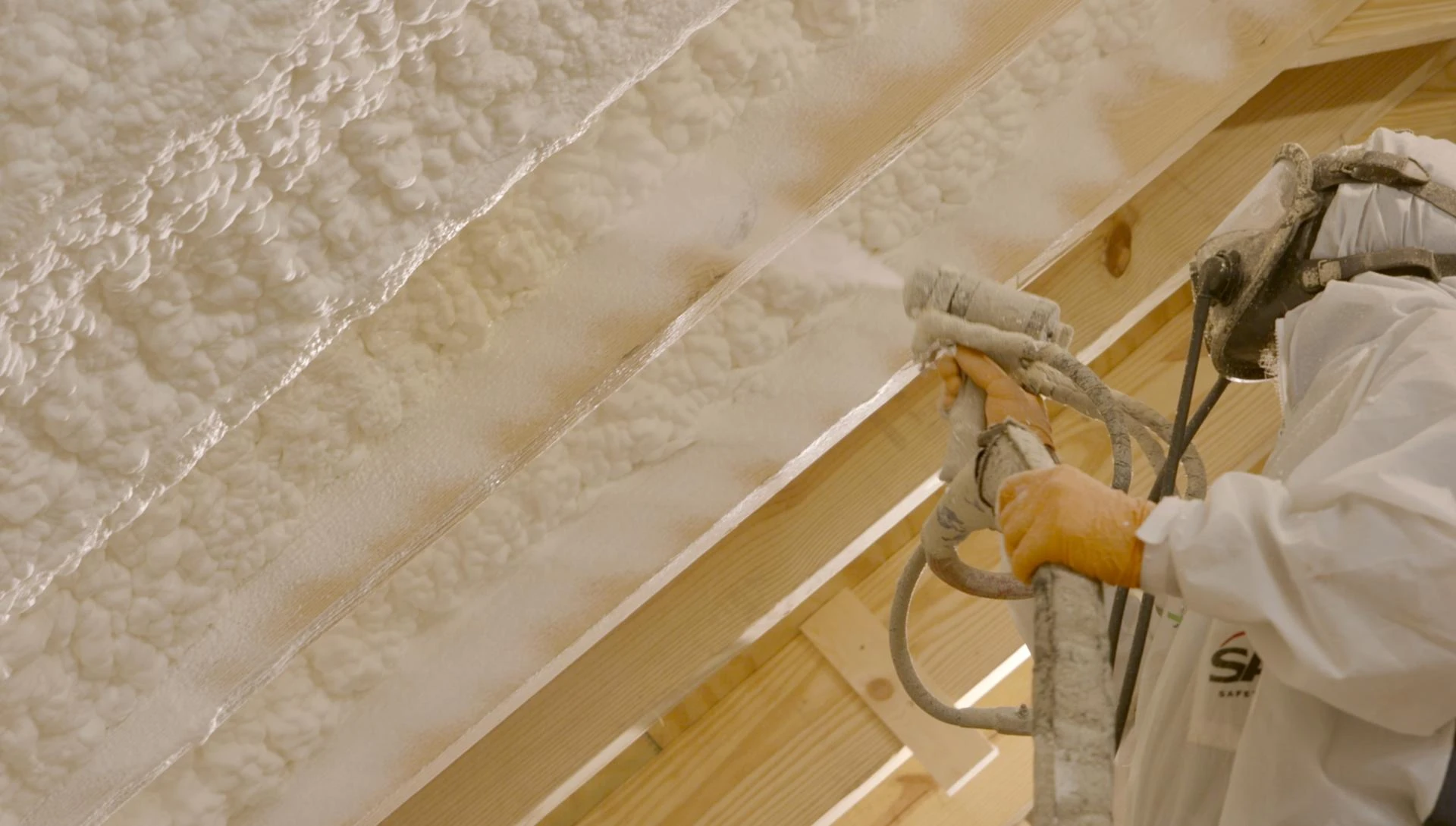
Spray foam stops energy leaks by sealing wall cavities, penetrations, and junctions. This reduces the demand on HVAC systems and can lower energy bills by up to 40%, depending on the building's initial condition.
Minimization of Air Infiltration
Office buildings often have unsealed spaces around pipes, ducts, or recessed lighting. Spray foam expands to fill these areas completely, eliminating drafts and outside contaminants.
Lower Humidity and Moisture Intrusion
Closed-cell spray foam provides a vapor barrier, which helps keep humidity levels stable in offices. This prevents condensation on ductwork, reduces mold risks, and protects sensitive electronics.
Enhanced Occupant Comfort
Consistent indoor temperatures improve employee comfort and productivity. Spray foam helps maintain stable zones within open offices and between different floors.
Technical Specifications for Commercial Spray Foam
Spray Foam Application Specifications
Specification
Closed-Cell Foam
Open-Cell Foam
R-Value (Thermal Resistance)
R-6.5 to R-7 per inch
R-3.5 to R-3.8 per inch
Application Thickness
1–2 inches (roof/wall base)
3 inches+ (interior walls)
Water Permeability
<1 perm
>10 perm
Fire Rating
Class 1
Class 1
Expansion Rate
~30x
~100x
Service Temperature Range
-40°F to 200°F
-20°F to 180°F
Dry Time
Less than 2 minutes
Less than 2 minutes
Bonus Tip: Always confirm whether the installed foam meets local fire codes and thermal barrier regulations for commercial buildings.
Market Data and Real-World Energy Savings
A study by the U.S. Department of Energy showed that buildings with spray foam insulation can reduce air leakage by up to 83%. In Ohio, the average commercial building spends approximately 30% of its energy budget on HVAC. By upgrading with spray foam, Marietta offices may recover installation costs in under five years through reduced utility expenses.
According to ENERGY STAR benchmarking, properly insulated commercial properties experience:
- 20–40% reduction in annual energy use
- 10–15% increase in HVAC system lifespan
- Up to 20% improvement in indoor air quality scores
Things to Consider Before Making a Decision
Before choosing spray foam for your office, assess these critical pre-decision factors:
- Building Age and Condition: Older buildings may need pre-treatment for mold or retrofitting around wiring and piping.
- Moisture Conditions: Offices in damp areas benefit most from closed-cell foam due to its low vapor permeability.
- Noise Control Needs: Open-cell foam offers better sound dampening, suitable for conference rooms or shared workspaces.
- Ceiling and Wall Accessibility: Application may require drywall removal or coordination with renovation schedules.
- Code Compliance: Confirm fire safety and ventilation requirements specific to commercial properties in Marietta.
Bonus Tip: Consult with a licensed insulation contractor familiar with commercial codes in Ohio before installation planning.
Common Questions About Spray Foam in Offices
Does spray foam reduce office noise?
Open-cell spray foam significantly reduces airborne sound, making it useful in busy offices or buildings with shared walls.
Will spray foam affect internet or phone cabling?
No, when properly installed, spray foam does not interfere with low-voltage cables. Installers typically insulate around rather than through such lines.
Is spray foam safe for indoor office environments?
Yes. Once cured, spray foam is inert. Adequate ventilation during installation is essential, but it poses no long-term risks indoors.
Can spray foam be installed without major disruption?
Installation may require limited access to interior wall or ceiling cavities, but modern techniques minimize disruption to office operations.
Does spray foam require maintenance?
No ongoing maintenance is required. The insulation typically lasts for the life of the building when applied correctly.
Topic FAQ
How long does spray foam insulation last in office buildings?
It lasts 30–50 years or more with proper application. It does not sag or degrade like some traditional materials.
Can spray foam be applied during business hours?
Not recommended. The area must be vacated during installation due to off-gassing during curing.
What is the ROI timeline for commercial spray foam insulation?
Most office buildings see a return on investment within 3 to 5 years through energy savings alone.
How thick should spray foam be for office walls in Marietta?
Closed-cell: typically 2 inches. Open-cell: typically 3 inches. The specific thickness depends on building use and insulation goals.
Is spray foam environmentally friendly?
Closed-cell foams with low-GWP blowing agents and open-cell options with water-based agents are considered environmentally responsible when compared to older methods.
Make the Right Decision
Spray foam offers clear, measurable benefits for office buildings in Marietta seeking long-term energy efficiency. By sealing air leaks, regulating indoor temperatures, and reducing HVAC strain, it directly supports lower operational costs and improved working conditions.
Evaluate your building's current insulation condition, local building codes, and energy goals. For technical questions or assessment needs, professional input can help ensure the correct material and method are used based on your structure’s layout and occupancy.
For more details or expert assistance, Visit Ohio Valley Spray Foam Contact at (740) 629-9984 or email sprayfoamllc@yahoo.com.
Reviewer: With 11 years in the spray foam field, Aiden Baker reviewed this content and provided advice on building steady growth through practical, honest communication.