



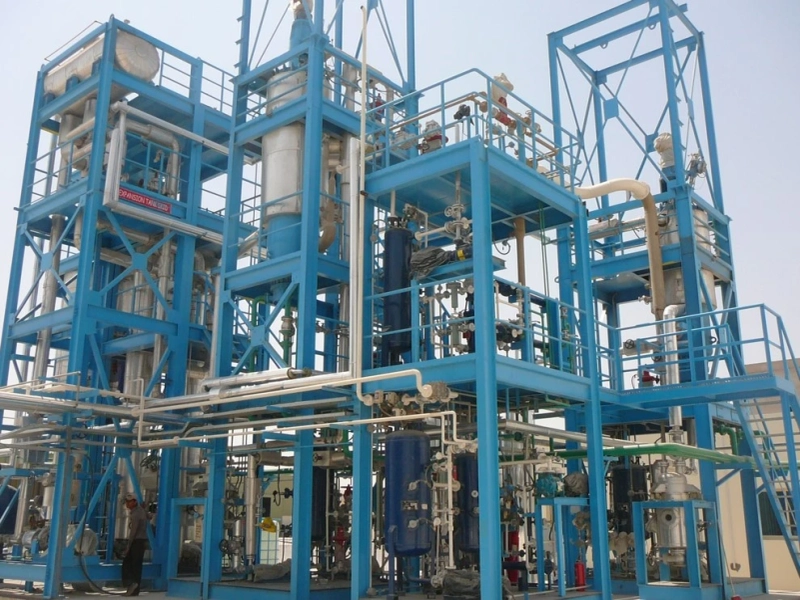
In today’s industrial landscape, the demand for reliable, efficient, and environmentally responsible energy solutions has never been higher. At the heart of many industrial operations, engineering oil systems play a critical role in ensuring smooth mechanical performance, reducing downtime, and enhancing overall operational efficiency. These systems are no longer just about storing and transporting oil; they represent a sophisticated integration of technology, safety, and sustainability practices.
Understanding Engineering Oil Systems
Engineering oil systems refer to the comprehensive frameworks and processes used to manage the extraction, transportation, refining, and utilization of oil within industrial operations. From large-scale power plants to automotive manufacturing units, these systems are designed to optimize the flow and quality of oil to meet the specific needs of machinery and industrial processes. A well-designed system not only improves performance but also extends the lifespan of equipment and reduces maintenance costs.
Modern engineering oil systems include advanced components such as high-precision pumps, filtration units, heat exchangers, and automated monitoring systems. These elements work together to ensure that oil maintains its chemical properties, stays free from contaminants, and is delivered precisely where it is needed.
Key Components of Oil Systems
A robust oil system involves multiple interlinked components:
- Pumps and Pipelines: These ensure the efficient movement of oil from storage tanks to processing units or machinery. Precision in pump design and pipeline layout reduces energy consumption and prevents leaks.
- Filtration and Purification Units: Maintaining oil purity is critical. Particulate contamination or chemical degradation can damage machinery and reduce operational efficiency. Modern filtration units remove impurities and enhance the oil’s longevity.
- Monitoring and Control Systems: Sensors and digital controls track oil flow, temperature, and pressure in real-time. Automated alerts and adaptive controls prevent system failures, improving both safety and efficiency.
- Storage Solutions: Proper storage tanks and containment measures protect oil from contamination and environmental hazards while ensuring easy access for operational needs.
Advantages of Advanced Engineering Oil Systems
Implementing advanced engineering oil systems brings numerous benefits to industries:
- Enhanced Equipment Efficiency: Optimized oil delivery ensures machinery operates at peak performance, reducing energy wastage.
- Extended Machinery Lifespan: Proper filtration and consistent oil quality prevent wear and tear, minimizing repair costs.
- Reduced Environmental Impact: Modern systems focus on reducing oil wastage and leaks, contributing to sustainable industrial practices.
- Operational Safety: Continuous monitoring and automated controls reduce the risk of accidents related to oil handling and equipment malfunction.
Innovations in Oil System Engineering
Recent advancements have significantly transformed the field of engineering oil systems. Smart sensors, predictive maintenance algorithms, and IoT integration allow operators to anticipate issues before they occur. Additionally, environmentally friendly practices such as using biodegradable lubricants and implementing closed-loop oil recycling systems are becoming increasingly common.
Another noteworthy innovation is the integration of AI-driven analytics. By analyzing historical data and operational patterns, AI can optimize oil flow rates, adjust filtration schedules, and predict equipment maintenance needs, enhancing both reliability and efficiency.
Future Outlook
As industries continue to adopt greener practices and digital transformation, the role of engineering oil systems will evolve further. Emphasis will be on smarter, more automated systems that reduce human intervention, improve sustainability, and maintain high operational standards. Collaboration between engineers, environmental scientists, and data analysts will drive the creation of systems that are both technically advanced and environmentally responsible.
In conclusion, engineering oil systems are more than just pipelines and pumps; they are sophisticated, integrated frameworks that ensure industrial efficiency, safety, and sustainability. By leveraging advanced technologies and sustainable practices, industries can maximize performance, reduce costs, and minimize environmental impact. The future of oil system engineering promises smarter, greener, and more reliable solutions for industries around the world.