



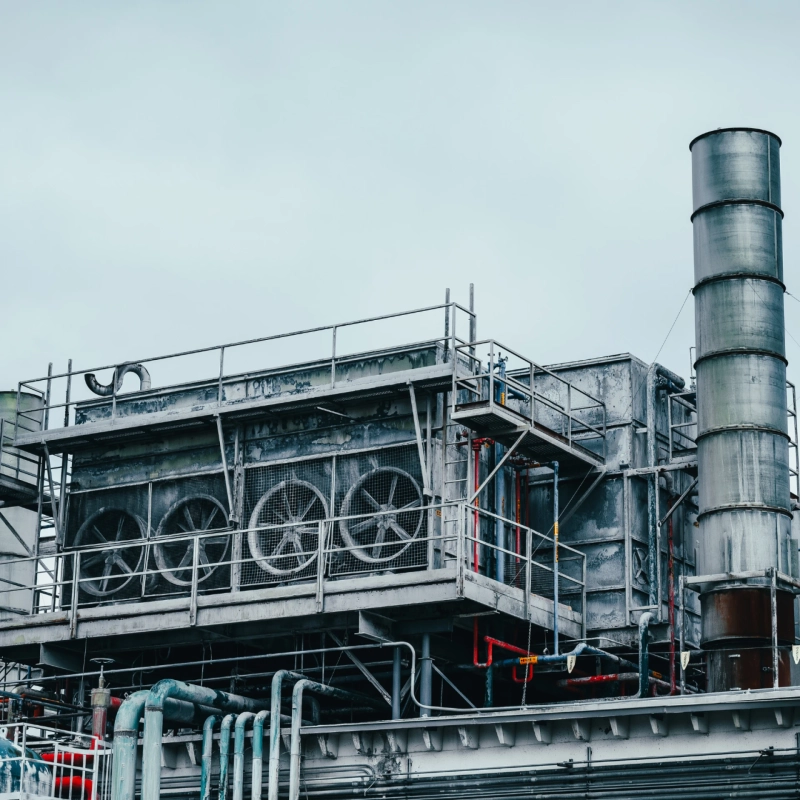
Mechanical piping is the backbone of countless industries-from oil and gas to power plants, chemical processing to water treatment. Without robust piping systems, these operations simply wouldn’t function. But creating a piping system that’s efficient, safe, and durable requires more than just slapping pipes together. It demands a holistic approach that covers design, fabrication, and installation from start to finish.
Understanding the Foundations of Mechanical Piping Design
Why Design Matters More Than You Think
Design isn’t just about drawing lines on a blueprint. It’s about envisioning how a system will perform under real-world conditions. A well-designed piping system accounts for pressure, temperature, fluid dynamics, material compatibility, and safety regulations. Neglecting any of these factors can lead to leaks, failures, or costly downtime.
Take, for example, the choice of materials. Selecting the right pipe material—whether carbon steel, stainless steel, or specialized alloys—depends on the fluid being transported and the operating environment. A corrosive chemical requires a different approach than potable water. The design phase is where these critical decisions happen. Additionally, the implications of these choices extend beyond immediate functionality; they can affect maintenance schedules, operational costs, and the overall lifespan of the system. For instance, while a more expensive alloy may seem like a significant upfront investment, its durability in a harsh environment could lead to substantial savings in repairs and replacements over time.
Key Elements in Mechanical Piping Design
Designing a mechanical piping system involves several core components:
- Layout Planning: Mapping out pipe routes to minimize length and avoid obstacles.
- Stress Analysis: Ensuring pipes can withstand thermal expansion, vibration, and external forces.
- Component Selection: Choosing valves, fittings, flanges, and supports that match system requirements.
- Compliance: Meeting industry codes like ASME B31.3 or API standards to guarantee safety and quality.
Each of these elements requires expertise and precision. A miscalculation in stress analysis, for instance, can cause premature pipe failure. That’s why Mechanical Piping solutions delivered by Radley Engineering Ltd often rely on advanced software tools to simulate conditions and optimize layouts before fabrication begins. These tools allow engineers to visualize potential issues and test various scenarios, ensuring that the final design is not only efficient but also resilient. Moreover, the integration of Building Information Modeling (BIM) in piping design has revolutionized the industry by enabling collaborative planning, where various stakeholders can contribute insights and adjustments in real time, leading to a more cohesive and effective design process.
Furthermore, the importance of documentation cannot be overstated. Each stage of the design process must be meticulously recorded, from initial concepts to final blueprints, ensuring that all decisions are traceable and justifiable. This documentation serves not only as a reference for future projects but also as a critical tool during inspections and audits. In an industry where safety and compliance are paramount, having a comprehensive record of design choices and rationale can make a significant difference in both operational integrity and legal accountability.
Fabrication: Bringing Designs to Life with Precision
The Art and Science of Pipe Fabrication
Fabrication turns theoretical designs into tangible piping systems. It’s where raw materials become tailored components ready for installation. This stage demands skilled craftsmanship combined with cutting-edge technology.
Fabricators cut, bend, weld, and assemble pipes and fittings to exact specifications. Precision is critical—an incorrectly welded joint or a misaligned bend can compromise the entire system’s integrity. Fabrication shops employ rigorous quality control measures, including dimensional inspections and non-destructive testing, to catch defects early. The integration of advanced software for design and simulation allows fabricators to visualize the entire assembly process before any physical work begins, reducing errors and optimizing workflows.
Material Handling and Preparation
Before fabrication can begin, materials must be carefully inspected and prepared. This includes verifying material certifications, checking for surface defects, and cleaning pipes to remove contaminants. Proper handling prevents damage and ensures the longevity of the piping system. Each type of material, whether it be carbon steel, stainless steel, or plastic, has unique handling requirements that must be adhered to in order to maintain their integrity throughout the fabrication process.
Cutting and bending are tailored to the design’s requirements. For example, cold bending preserves material strength but requires specialized equipment. Welding procedures vary based on pipe material and thickness, with techniques like TIG, MIG, or SMAW commonly used. Additionally, the choice of filler materials and shielding gases can significantly influence the quality of the weld, making it essential for fabricators to have a deep understanding of metallurgy and welding science.
Quality Assurance in Fabrication
Quality assurance isn’t just a box to check—it’s the foundation of a reliable piping system. Fabricators conduct multiple inspections throughout the process. Visual inspections catch surface flaws, while radiographic or ultrasonic testing reveals internal weld defects. These methods not only ensure the safety and reliability of the piping systems but also help in maintaining compliance with industry regulations and standards.
Documentation accompanies every step, providing traceability and proof that the system meets or exceeds standards. This documentation becomes invaluable during installation and future maintenance. Moreover, the implementation of digital tracking systems allows for real-time updates on the fabrication process, enabling stakeholders to monitor progress and address any issues that may arise promptly. This level of transparency fosters collaboration among engineers, fabricators, and clients, ensuring that everyone is aligned on project goals and timelines.
Installation: The Final Piece of the Puzzle
Preparing the Site for Installation
Installation is more than just assembling pipes on-site. It starts with thorough site preparation. This includes clearing pathways, erecting scaffolding, and ensuring all necessary tools and materials are on hand.
Safety is paramount. Installation teams conduct risk assessments and establish protocols to protect workers and equipment. Proper lifting techniques and equipment prevent damage to pipes and reduce injury risks. Additionally, a well-prepared site minimizes downtime and enhances overall efficiency. This preparation phase often involves coordinating with other trades on-site, ensuring that everyone is aligned on schedules and responsibilities, which can significantly streamline the installation process.
Precision in Assembly and Alignment
Once on site, the focus shifts to assembling the piping system according to design specifications. Proper alignment is critical to prevent stress and leaks. Technicians use laser alignment tools and precision measuring devices to achieve exact positioning.
Welding and joining happen in controlled conditions whenever possible. Post-weld heat treatment may be applied to relieve stresses and enhance joint strength. After assembly, pressure testing verifies system integrity before commissioning. The importance of meticulous attention to detail during this phase cannot be overstated; even minor misalignments can lead to significant operational issues down the line. Therefore, technicians often conduct multiple checks and balances, including peer reviews and inspections, to ensure that every component meets the highest standards of quality and safety.
Commissioning and Handover
Commissioning involves flushing the system, checking for leaks, and ensuring all components operate correctly. This phase often includes collaboration between designers, fabricators, and installation teams to address any issues promptly.
Once the system passes all tests, it’s handed over to the operations team with comprehensive documentation. This includes as-built drawings, material certificates, and maintenance guidelines—essential for future troubleshooting and upkeep. Furthermore, training sessions are often conducted for the operations team, ensuring they are fully equipped to manage the new system effectively. This transfer of knowledge is crucial, as it empowers the team to handle routine maintenance and any unexpected challenges that may arise, thereby prolonging the life of the installation and optimizing its performance.
Why an Integrated Approach Matters
Smoother Project Flow and Reduced Risks
Handling design, fabrication, and installation as a seamless process rather than isolated tasks leads to better communication and fewer surprises. When all teams collaborate from the outset, potential conflicts can be identified and resolved early.
This integration reduces costly rework and delays. For instance, a design change discovered during installation can derail schedules and inflate budgets. Early coordination helps avoid such pitfalls.
Cost Efficiency and Quality Control
Integrated projects often benefit from economies of scale. Bulk purchasing of materials, optimized fabrication runs, and streamlined logistics cut costs. Quality control is more consistent when the same team oversees the entire lifecycle.
Ultimately, this approach delivers a piping system that meets performance expectations and stands the test of time.
Emerging Trends in Mechanical Piping
Digital Twins and 3D Modeling
Advanced 3D modeling and digital twin technology are revolutionizing piping design and installation. Digital twins create virtual replicas of physical systems, allowing engineers to simulate performance and detect issues before fabrication.
These tools improve accuracy, reduce errors, and facilitate better decision-making throughout the project.
Automation and Robotics in Fabrication
Automation is making fabrication faster and more precise. Robotic welding arms and CNC bending machines handle repetitive tasks with exceptional consistency. This reduces human error and enhances safety by limiting exposure to hazardous environments.
Sustainability Considerations
Environmental concerns are influencing material choices and fabrication methods. Using recyclable materials, minimizing waste, and optimizing energy use during fabrication and installation contribute to greener piping systems.
Designers are also incorporating features that enable easier maintenance and longer service life, reducing the need for frequent replacements.
Final Thoughts
Mechanical piping systems are complex, critical infrastructures that demand meticulous attention at every stage-from initial design through fabrication and installation. Each phase builds upon the last, and any weak link can compromise the entire system.
Adopting an end-to-end approach ensures that the piping system not only meets technical specifications but also performs reliably and safely over its lifespan. With advances in technology and a focus on integration, the future of mechanical piping looks more efficient and resilient than ever.