



A recruiter asks for your CPR file before the week’s end. Your start date depends on fast approval. Florida EMS hiring moves quickly, and screening rules leave little room for error. Choose online CPR training that already meets what Florida agencies accept. This guide shows which formats pass review, when a skills check is required, which certificate fields HR expects, and how to submit a clean bundle. It also explains how to compare CPR classes online before you enroll. Follow these steps to stay ready for interviews and onboarding across Florida while avoiding repeat courses and last‑minute delays.
What Florida EMS Accepts Now
- Enroll in a course that lists adult, child, and infant CPR with AED under recognized standards, so your scope matches EMS expectations for field care.
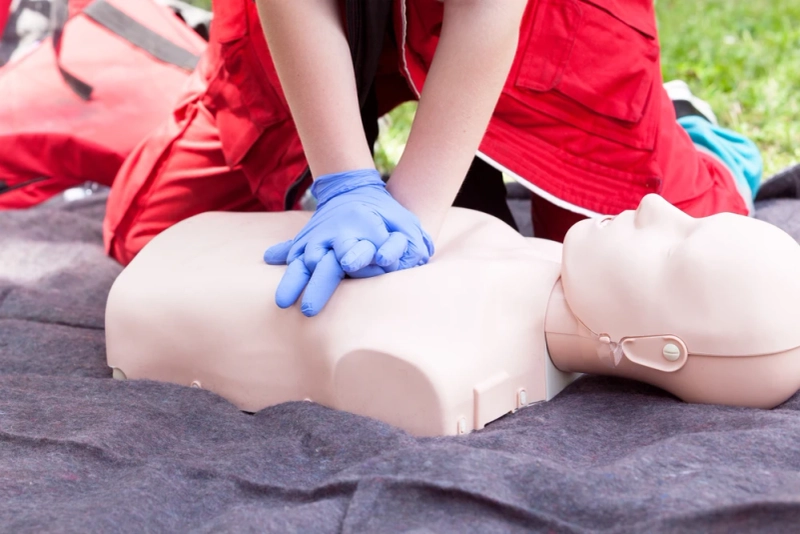
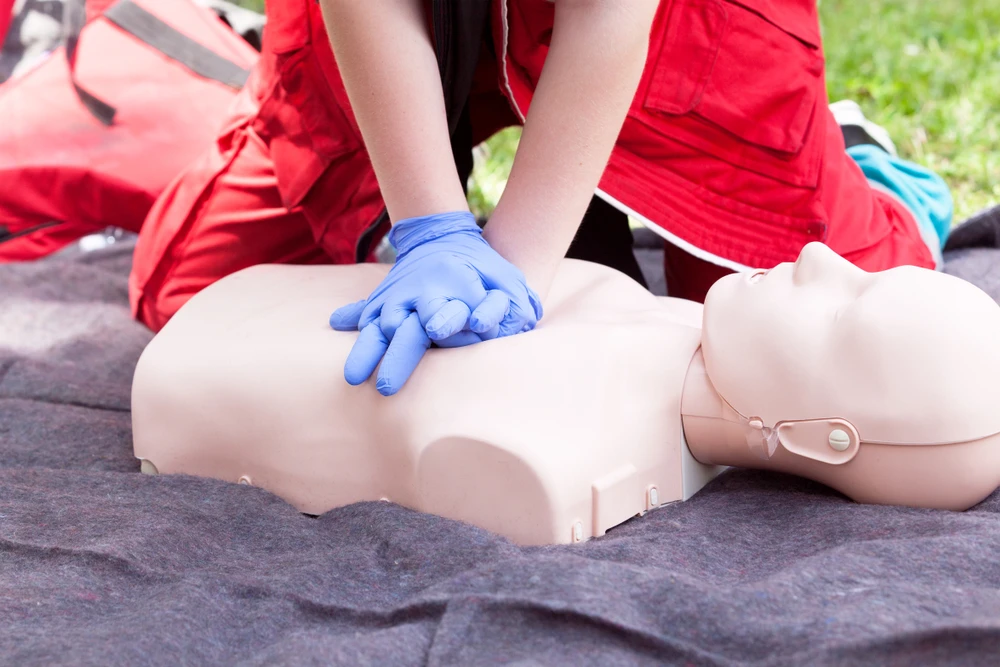
- Use a blended path: complete online coursework, then finish an in‑person skills check, so your record shows hands‑on verification that many EMS agencies require.
- Ask your recruiter which issuers and formats pass review for that agency, then save the reply, so you have written acceptance if HR requests proof.
- Confirm county or hospital partner rules tied to the agency, so your certification remains valid across stations without re‑training mid‑assignment.
Skills check timing, location, proof
- Book the skills check when you enroll, so your training timeline aligns with interviews and potential start dates.
- Choose an approved site or partner instructor and confirm adult, child, infant, and AED coverage, so the skills form matches the course scope.
- Bring an ID and your completion record; complete the manikin evaluation with feedback, so the instructor can sign off in one session.
- Leave with a signed skills form listing the instructor's name/ID, date, location, and your full name, so HR can validate the hands‑on requirement quickly.
Certificates That Clear HR
- Ensure your certificate shows full legal name, course title, issuing body, issue date, and expiry date, so HR can approve at a glance.
- Prefer certificates with a course ID, instructor number, and a verification QR or code, so reviewers can confirm authenticity in seconds.
- Export a clean PDF, name it ‘LastName_FirstName_CPR_BLS_YYYYMMDD.pdf,’ and store a cloud backup, so resends are instant during background checks.
- Keep the certificate, skills form, and wallet card image together, so your submission arrives as a complete bundle.
Avoid Preventable Rejections
- Complete a blended option when hands‑on is required, so your file includes skills verification and avoids automatic denial.
- Confirm the scope includes adult, child, infant, and AED before payment, so reviewers see complete coverage on the first review.
- Match your legal name exactly with application records, so HR does not return the file for edits.
- Finish coursework and the skills check two to four weeks before interviews, so documents are ready on request.
Vet Providers before You Pay
- Review the syllabus for adult, child, infant, and AED and confirm current guidelines, so the content aligns with EMS expectations.
- Request a sample certificate and skills form and confirm required fields, so you avoid surprises after training.
- Confirm support hours and same‑day reissue policies, so name or date corrections do not delay onboarding.
- Verify certificate turnaround time from completion, so you can meet tight hiring deadlines.
Ready to Enroll In Online CPR Training
Ready to choose CPR classes online that pass EMS screening the first time? Start with a blended option that includes adult, child, infant, and AED, then schedule a local skills check that fits your timeline. Review a sample certificate, confirm verification fields, and build a single submission bundle before interviews. Add a renewal reminder 30 days before expiry to avoid onboarding delays. If you want to compare schedules and documentation standards from a Florida provider, consider a reputable option such as Elite Medical Academy as one choice among local trainers.