



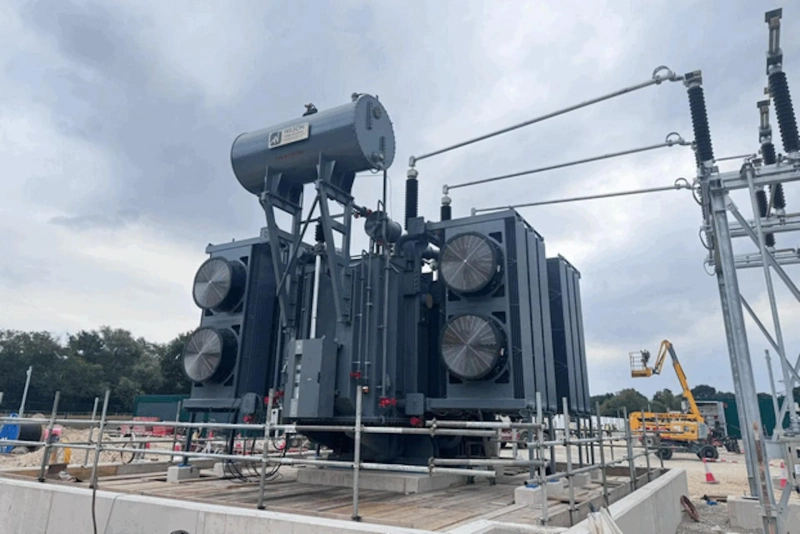
Behind every light that switches on, every machine that starts, and every device that powers up, there’s a quiet hero at work the electrical transformer. Though often overlooked, these devices are the foundation of modern power distribution, ensuring that electricity is transmitted safely, efficiently, and reliably from generating stations to the end user.
Whether it’s a residential complex, industrial facility, or renewable energy plant, electrical transformers make the entire system function smoothly. But what exactly are they, how do they work, and why are they more critical than ever today?
Understanding the Core Function of Electrical Transformers
At their essence, electrical transformers are devices that transfer electrical energy between two or more circuits through electromagnetic induction. Their primary function is to change voltage levels either stepping up (increasing) or stepping down (reducing) voltage depending on where the power is needed.
For example, high-voltage power is essential for long-distance transmission because it reduces energy losses. Once electricity reaches local networks or industrial sites, step-down transformers reduce the voltage to safer, usable levels. This ability to manage voltage efficiently makes transformers an indispensable part of any electrical infrastructure.
Types of Electrical Transformers and Their Applications
Electrical transformers come in various types, each serving a unique purpose:
- Power Transformers: Used in generation and transmission networks to handle high voltages and large power capacities.
- Distribution Transformers: Found closer to consumers, they convert high-voltage electricity into lower voltages suitable for homes and businesses.
- Isolation Transformers: Enhance safety by separating circuits and protecting sensitive equipment.
- Instrument Transformers: Used for accurate measurement and protection in high-voltage systems.
Each category plays a crucial role in maintaining stability, efficiency, and safety across the power grid. From factories and hospitals to data centers and renewable energy farms, transformers ensure that power is delivered precisely where and how it’s needed.
The Importance of Efficiency and Sustainability
As global energy demand rises, the efficiency of electrical transformers has become a major focus area. Even minor losses in transformer operation can lead to significant wasted energy over time.
Modern manufacturers are tackling this challenge with advanced materials such as amorphous metal cores and low-loss CRGO (Cold Rolled Grain Oriented) steel. These materials reduce core losses, lower heat generation, and extend equipment life.
Moreover, the use of eco-friendly insulating fluids and recyclable materials supports the global movement toward greener and more sustainable energy solutions. By improving transformer efficiency, industries can cut both costs and carbon emissions — aligning with their sustainability and net-zero goals.
Smart Transformers: Power Meets Intelligence
Digital innovation has reached even the most traditional components of the grid. Smart electrical transformers are now integrating sensors, IoT connectivity, and advanced monitoring systems that allow real-time data collection and analysis.
These smart systems can detect irregularities, predict potential faults, and optimize load performance automatically. As a result, maintenance becomes proactive rather than reactive — improving reliability while reducing downtime.
The integration of smart transformers is a game-changer for utilities and industries seeking higher operational resilience and efficiency.
The Role of Electrical Transformers in the Future Grid
The transition to renewable energy — solar, wind, and battery storage — has added complexity to modern power systems. Electrical transformers are evolving to meet these new challenges, handling variable inputs and supporting decentralized energy networks.
With advancements in digitalization, design, and materials, future transformers will be lighter, more compact, and more efficient. They will not just transfer energy but also communicate, adapt, and self-optimize — becoming intelligent assets in a dynamic energy landscape.
Conclusion
Electrical transformers are far more than static pieces of hardware — they are the lifelines of modern energy distribution. As industries embrace smart technologies and green initiatives, these devices continue to evolve, balancing efficiency, safety, and sustainability.
From powering homes to enabling renewable integration, electrical transformers remain at the heart of every reliable and resilient power system — silently driving progress, innovation, and a sustainable future.