



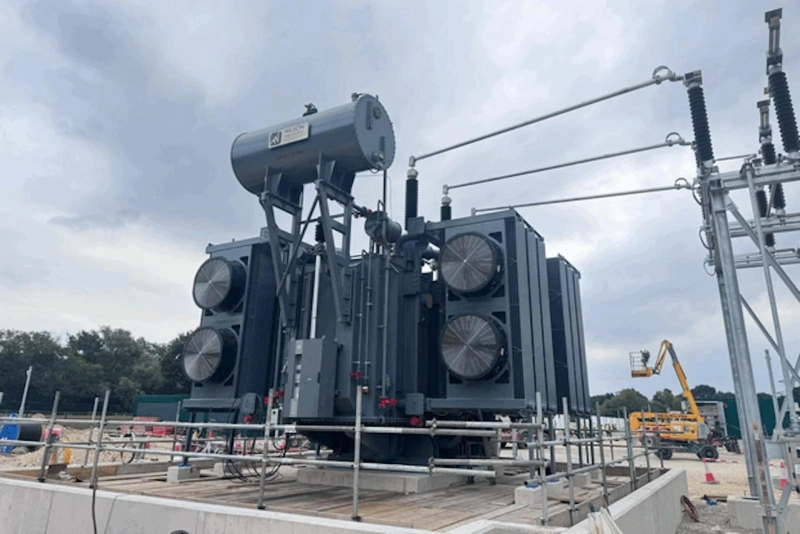
Electricity powers everything around us, from homes and hospitals to industries and entire cities. At the heart of this energy network lies the unsung hero of the power system electrical transformers. These essential devices ensure that electricity is transmitted efficiently, safely, and at the right voltage level.
What Are Electrical Transformers
Electrical transformers are devices designed to transfer electrical energy between two or more circuits through electromagnetic induction. They play a crucial role in stepping up or stepping down voltage levels, depending on the requirement. In simple terms, transformers make it possible to transmit electricity over long distances without losing efficiency.
For example, power generated at a power station needs to travel through transmission lines to reach homes and industries. To do this safely and efficiently, voltage levels must be adjusted and that is exactly what an electrical transformer does.
Importance of Electrical Transformers in Modern Power Systems
Without electrical transformers, the modern power distribution system would be nearly impossible. They serve as the backbone of every power grid and ensure that electricity flows seamlessly from generation plants to end users.
Some key roles include:
- Efficient Transmission: They reduce energy losses by transmitting power at high voltages and low currents.
- Voltage Regulation: They ensure voltage stability to protect sensitive equipment.
- Safety and Reliability: They provide safe and stable power for residential, commercial, and industrial applications.
- Adaptability: They can be designed for different voltages and operational environments, from large-scale substations to compact industrial setups.
Types of Electrical Transformers
There are different types of electrical transformers, each designed for specific applications.
Power Transformers
Used in transmission networks, these transformers handle high voltage and high power levels to move electricity across long distances efficiently.
Distribution Transformers
These transformers step down voltage levels for safe delivery to residential, commercial, and industrial facilities.
Isolation Transformers
They are used to protect equipment by isolating circuits and preventing electrical noise and surges.
Auto Transformers
These offer variable voltage output, ideal for applications that require flexible control of voltage levels.
Each type serves a unique function but shares the common goal of improving power quality and system reliability.
Applications of Electrical Transformers
Electrical transformers are everywhere. They are used across sectors such as:
- Power Generation Plants: To connect generators to transmission systems.
- Manufacturing Industries: To power heavy machinery and production lines.
- Commercial Complexes: To ensure smooth and safe operation of lighting, HVAC systems, and elevators.
- Renewable Energy Systems: To integrate solar and wind energy into existing grids.
- Hospitals and Data Centers: To provide stable and uninterrupted power.
The versatility of transformers makes them a vital component of any energy infrastructure.
Advantages of Electrical Transformers
Investing in quality electrical transformers provides multiple advantages:
- Energy Efficiency: Minimises energy losses during power transfer.
- Durability: Built to operate reliably in demanding conditions for long periods.
- Low Maintenance: Modern transformers require minimal servicing and monitoring.
- Safety: Protects equipment and users from electrical hazards.
- Environmental Benefits: New designs use eco-friendly insulation and materials that support sustainability goals.
Technological Innovations in Electrical Transformers
With advancements in technology, electrical transformers have evolved significantly. Modern transformers now come equipped with smart monitoring systems that track performance, detect faults, and predict maintenance needs.
Innovations such as low-loss core materials, biodegradable insulating oils, and automated cooling systems contribute to improved efficiency and reduced carbon footprints. As global energy demand grows, these intelligent designs will play a key role in shaping sustainable power solutions.
Choosing the Right Electrical Transformer
Selecting the right electrical transformer depends on factors such as:
- Power and voltage requirements
- Type of application (industrial, commercial, or residential)
- Environmental conditions
- Efficiency ratings and energy standards
- Compliance with safety and performance certifications
Working with an experienced transformer manufacturer ensures you get the right solution for your power needs.
Conclusion
Electrical transformers are at the core of our energy systems, ensuring that power is transmitted efficiently, safely, and reliably. As industries grow and technology advances, the demand for high-quality transformers continues to rise. Investing in efficient and modern electrical transformers is not just a necessity but a step toward a more sustainable and energy-efficient future.