



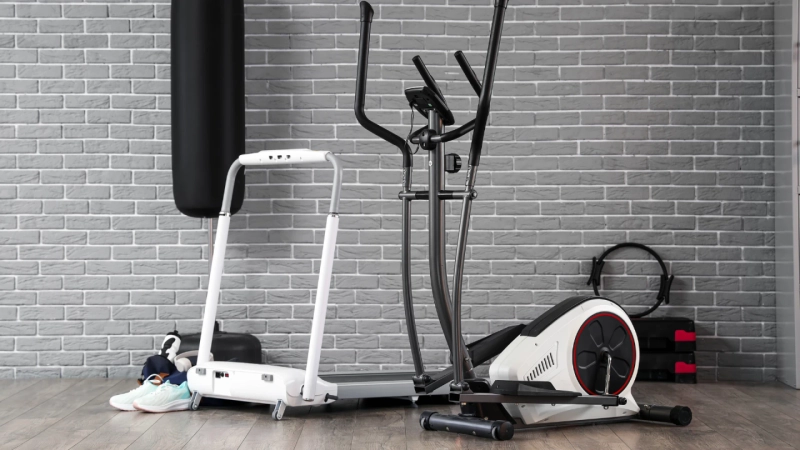
In recent years, treadmills have become a staple in both home gyms and commercial fitness centers. Their popularity is driven by convenience, allowing users to walk or run regardless of weather conditions. However, one of the most common considerations when choosing a treadmill is its price. Understanding what factors influence the electric treadmill price can help buyers make informed decisions and select a machine that aligns with their fitness goals and budget.
Electric treadmills, in particular, vary widely in price due to differences in build quality, motor power, features, and brand reputation. While two machines may look similar at first glance, their cost can diverge significantly depending on these variables. This article explores the key factors that affect the price of electric treadmills, offering a clear framework for evaluating options.
Motor Type and Power
One of the most significant determinants of treadmill pricing is the motor. Treadmills rely on either continuous-duty or peak-duty motors, measured in horsepower (HP). Continuous-duty motors are designed to operate for extended periods without overheating, whereas peak-duty motors can handle short bursts of high activity.
A treadmill with a higher continuous-duty motor rating typically costs more, reflecting its ability to sustain longer workouts and heavier loads. For example, home-use treadmills often feature motors between 1.5 and 3.0 HP, whereas commercial-grade machines can exceed 4.0 HP. The increased motor capacity ensures smoother operation, higher speed ranges, and the ability to accommodate taller or heavier users without compromising durability.
Motor placement and quality also influence price. Top-tier machines often use brushless DC motors, which are quieter, more efficient, and require less maintenance than brushed motors. Such enhancements contribute to higher initial costs but often provide better long-term value through reliability and performance.
Deck and Cushioning System
The treadmill deck—the surface on which users walk or run—is another critical factor affecting price. A longer or wider belt accommodates a broader range of stride lengths and running styles, but it also increases manufacturing costs.
Cushioning systems are integrated to reduce joint impact, which can be particularly important for frequent runners. Advanced treadmills feature shock absorption technologies that distribute weight more evenly, minimizing stress on knees and ankles. Machines with multiple layers of cushioning or specialized elastomer designs tend to command higher prices because they combine comfort with durability.
Additionally, deck thickness and material composition impact longevity. Higher-end models often use laminated or multi-ply decks that resist warping, while budget models may employ thinner, less durable materials. Over time, the sturdier decks reduce maintenance needs and extend the treadmill’s lifespan.
Frame Construction and Stability
A treadmill’s frame is the backbone of its structural integrity. Machines with heavier steel frames are generally more stable and capable of supporting higher user weights. This stability is particularly important for vigorous running or interval workouts.
The design of the frame can also influence price. Foldable treadmills, while convenient for space-saving, require precise engineering to maintain stability when unfolded. Reinforced hinges, locking mechanisms, and reinforced joints increase production costs but enhance safety and usability.
Weight capacity is closely linked to frame construction. High-capacity treadmills accommodate users over 100 kg or those who wish to run at higher speeds. Investing in a more robust frame often increases the cost but ensures a safer, longer-lasting product.
Features and Technology
Modern treadmills come equipped with a wide array of features, and these additions significantly affect pricing. Some of the most common features include:
- Pre-programmed workouts: Machines with multiple preset programs offer variety and structured training plans, which can enhance user motivation and effectiveness.
- Incline and decline capabilities: Automatic incline adjustments simulate outdoor terrain, adding both functional value and cost.
- Touchscreen consoles and connectivity: Higher-end treadmills often provide integrated touchscreens, internet connectivity, and compatibility with fitness apps, enabling users to track progress, stream workouts, or participate in virtual training communities.
- Heart rate monitoring and safety sensors: Built-in sensors and emergency stop features increase user safety and are more prevalent in premium models.
Even optional features such as USB charging ports, built-in speakers, or ambient lighting contribute incrementally to the overall price. While they may not affect performance directly, they enhance user experience and can justify a higher investment for some buyers.
Brand Reputation and Warranty
Brand recognition and warranty coverage also play a role in treadmill pricing. Established brands with a history of reliability often charge more, reflecting their investment in quality assurance, research, and customer service.
Warranty length and scope are correlated with perceived product quality. Machines that include longer warranties on the motor, frame, or electronics typically cost more upfront but reduce long-term risk. For buyers prioritizing durability and support, the warranty can be as valuable as the treadmill’s physical components.
It is important to differentiate between marketing hype and tangible value. While brand names can signal quality, a careful evaluation of specifications, materials, and service terms often provides a clearer picture of a treadmill’s worth.
Conclusion
The cost of an electric treadmill is shaped by a combination of mechanical, structural, technological, and brand-related factors. Motor power and type, deck construction, cushioning, frame stability, features, and warranties collectively determine the price spectrum from entry-level models to professional-grade machines. Understanding these elements allows consumers to make more informed decisions based on their personal needs, available space, and intended usage.
Investing in a treadmill is not simply about finding the lowest price but about matching features and durability to long-term fitness goals. A well-chosen treadmill can offer years of reliable service and a safer, more enjoyable workout experience.
FAQs
What is the typical price range for home-use electric treadmills?
Home treadmills generally range from approximately $500 to $2,000, depending on motor capacity, deck size, and additional features. Higher-end home models may exceed this range with advanced technology and enhanced durability.
How does motor horsepower affect treadmill price?
Motor horsepower determines the treadmill’s ability to sustain long workouts and handle higher speeds. Machines with more powerful, continuous-duty motors tend to be more expensive but provide smoother operation and longer lifespan.
Do features like touchscreen consoles or app connectivity justify higher costs?
Yes. These features enhance user experience, offer interactive training options, and can track fitness progress. While not essential for basic exercise, they add convenience and motivation for regular users.
Is a heavier treadmill frame always better?
Generally, heavier frames provide greater stability and durability, especially for running at high speeds or accommodating heavier users. However, portability may be reduced, and foldable designs require careful engineering to maintain safety.
How important is brand and warranty when evaluating treadmill price?
Brand reputation and warranty coverage reflect product quality and manufacturer confidence. Longer warranties and established brands often cost more but reduce long-term maintenance risks and offer better customer support.