



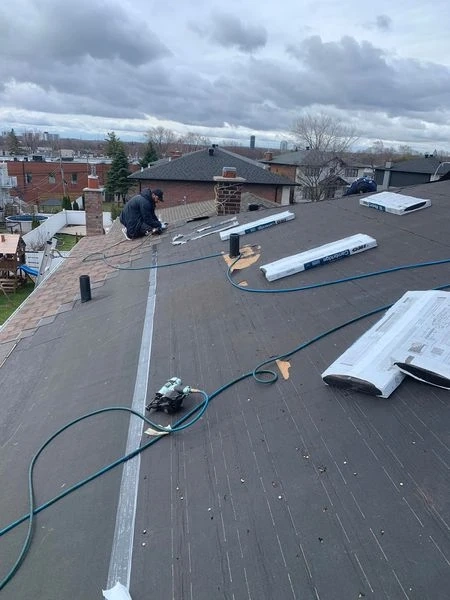
Elastomeric membranes are an integral part of various industries, offering unmatched durability, flexibility, and cost-effectiveness. In this article, we\'ll explore the world of elastomeric membranes, their types, applications, advantages, and even their contribution to environmental sustainability.
Types of Elastomeric Membranes
EPDM (Ethylene Propylene Diene Monomer)
EPDM is a synthetic rubber widely used for its outstanding resistance to environmental factors. It\'s commonly found in roofing systems, as it can withstand extreme weather conditions.
TPO (Thermoplastic Olefin)
TPO membranes are known for their energy efficiency. They reflect heat and UV rays, making them a preferred choice for roofing in hot climates.
PVC (Polyvinyl Chloride)
PVC membranes are lightweight and easy to install. They find applications in both roofing and waterproofing systems.
Neoprene
Neoprene, a versatile elastomer, excels in applications requiring resistance to oil and chemicals. It\'s commonly used in industrial seals.
Natural Rubber
Natural rubber membranes are environment-friendly and ideal for bridge expansion joints due to their excellent elasticity.
Applications of Elastomeric Membranes
Roofing Systems
Elastomeric membranes serve as a protective shield for buildings, ensuring water-tight roofing. EPDM, TPO, and PVC are popular choices in this domain.
Waterproofing
For waterproofing, EPDM and TPO membranes are used extensively. They create a watertight barrier in various structures, preventing water damage.
Bridge Expansion Joints
Neoprene and natural rubber are essential in bridge construction. They allow flexibility in bridge structures, preventing cracks due to temperature changes.
Automotive Industry
Elastomeric membranes are utilized in the automotive sector for their resilience against oil and temperature variations.
Industrial Seals
In industrial applications, these membranes are used to create airtight and watertight seals, ensuring operational efficiency.
Advantages of Elastomeric Membranes
Durability
Elastomeric membranes have a long service life, making them a sustainable choice for construction projects.
Flexibility
Their flexibility allows them to adapt to structural movements, reducing the risk of damage.
Low Maintenance
Elastomeric membranes require minimal maintenance, which translates to cost savings.
Cost-Effective
Compared to other materials, elastomeric membranes offer cost-effective solutions.
Weather Resistance
They can withstand extreme weather conditions, including UV rays, rain, and temperature fluctuations.
Installation and Maintenance
Installation Process
Installing elastomeric membranes involves adhering, mechanically fastening, or ballasting the membrane over the substrate.
Regular Maintenance Tips
Keep the membrane clean and free of debris. Regular inspections and prompt repairs are crucial for longevity.
Common Issues and Repairs
Common issues include punctures and tears, which can be repaired using patches and sealants.
Elastomeric Membranes in Environmental Sustainability
Energy Efficiency
TPO membranes, in particular, contribute to energy efficiency by reflecting heat and reducing cooling costs.
Recyclability
Elastomeric membranes can be recycled, making them an eco-friendly choice in construction and roofing.
Conclusion
Elastomeric membranes have revolutionized the construction and industrial sectors. Their versatility, durability, and eco-friendly aspects make them an ideal choice for a wide range of applications. Whether you\'re working on a roofing project, waterproofing, or any application requiring sealing and protection, elastomeric membranes offer a dependable solution.
FAQs
Q: Are elastomeric membranes environmentally friendly?
A: Yes, elastomeric membranes are often recyclable and contribute to energy efficiency.
Q: What types of buildings benefit from elastomeric roofing?
A: Both residential and commercial buildings can benefit from elastomeric roofing systems.
Q: How long do elastomeric membranes last?
A: The lifespan varies depending on the type and maintenance, but it can be several decades.
Q: Can I install elastomeric membranes myself?
A: While it\'s possible, it\'s recommended to hire a professional for proper installation.
Q: Are elastomeric membranes cost-effective in the long run?
A: Yes, their durability and low maintenance make them cost-effective over time