



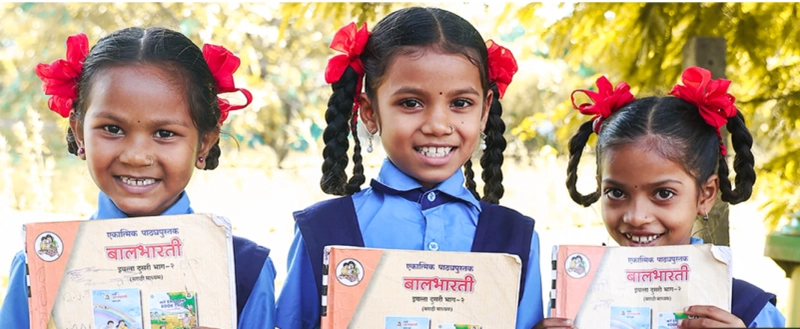
Education plays a transformative role in shaping the future of any society, and the work done by an education ngo in mumbai reflects this belief with remarkable clarity. These organisations operate in some of the most underserved communities, helping children overcome barriers related to poverty, lack of resources, and unequal access to quality schooling. Their initiatives are focused on ensuring that every child—regardless of economic background—gets the opportunity to learn, grow, and aspire for a better life.
The Need for Educational Support in Urban Communities
Mumbai, being one of India’s largest metropolitan regions, faces deep socio-economic contrasts. While the city is known for growth and opportunities, it also houses a large population of families living in informal settlements. Many children in these communities struggle with inconsistent schooling, limited parental literacy, and financial pressure to support their households.
Educational organisations step in here with structured programs designed to bridge the gap. They provide academic guidance, alternative learning platforms, and crucial resources to ensure that children remain in school and continue learning. Their work often includes after-school classes, remedial education, and targeted interventions for students who have fallen behind in academics.
Focusing on Underprivileged Children
One of the biggest challenges in low-income communities is the lack of access to quality early education. Many children start school without basic literacy or numeracy skills, making it hard for them to cope with higher grades. Educational organisations work with these children at the foundational level, helping them build core skills through interactive teaching methods.
Such organisations frequently collaborate with government schools to improve learning outcomes. They offer supplementary classes, design child-centric teaching materials, and use activity-based learning to make the classroom experience more engaging. This early academic support significantly reduces dropout rates and keeps children motivated throughout their schooling years.
Promoting Holistic Development Beyond Academics
Education goes beyond textbooks, and many organisations working in this field recognise that children need a safe, encouraging, and nurturing environment to flourish. Therefore, they conduct a wide range of extracurricular programs—sports, art, music, theatre, and personality-building activities—that contribute to the child’s overall development.
Counselling services are also offered to children from difficult home environments. These sessions help them develop emotional resilience, communication skills, and a positive mindset. By focusing on holistic growth, educational organisations prepare children to face challenges with confidence and maturity.
Empowering Families and Communities
To ensure sustainable impact, these organisations often extend their support to parents and community members. Awareness workshops, literacy sessions for adults, sessions on child rights, and training programs for mothers help create a supportive environment for children at home.
Parent engagement programs also encourage families to understand the importance of consistent schooling. When parents become active participants in their child’s academic journey, educational progress becomes smoother and more consistent.
Digital Inclusion and Modern Learning Tools
With technology becoming an essential part of modern education, several organisations are working dedicatedly to bring digital tools to underserved communities. This includes providing access to tablets, e-learning modules, smart classrooms, and digital libraries.
Workshops on computer literacy, coding basics, and digital safety ensure that children are not left behind in a tech-driven world. These early exposures to digital education improve their confidence and open future career avenues that were previously inaccessible.
Skill Development for Older Students
For adolescents and young adults, many educational organisations introduce skill-development programs aimed at improving employability. These programs include vocational training, communication workshops, basic financial education, and career counselling.
By equipping youth with practical skills, organisations help them transition smoothly into higher education or employment. This reduces economic vulnerabilities and contributes to breaking long-term cycles of poverty.
Challenges Faced by Educational Organisations
Despite their positive impact, these organisations often encounter significant challenges. Limited funding, shortage of trained educators, lack of adequate learning spaces, and the need for continuous community engagement remain persistent hurdles. Additionally, social issues like early marriage, child labour, and migration disrupt the education cycle for many children.
Even so, the dedication of volunteers, teachers, and support teams helps overcome these challenges step by step. Their perseverance plays a powerful role in ensuring educational continuity for thousands of children.
Conclusion: Strengthening the Future Through Education
Educational organisations working in Mumbai are creating meaningful and lasting change by helping children access quality education and developmental opportunities. Their efforts not only uplift individuals but also strengthen entire communities. By empowering children with knowledge, values, and confidence, they contribute to a more equal and progressive society.
Education remains one of the strongest tools for transformation, and the continued work of these organisations ensures that this tool reaches those who need it the most.