



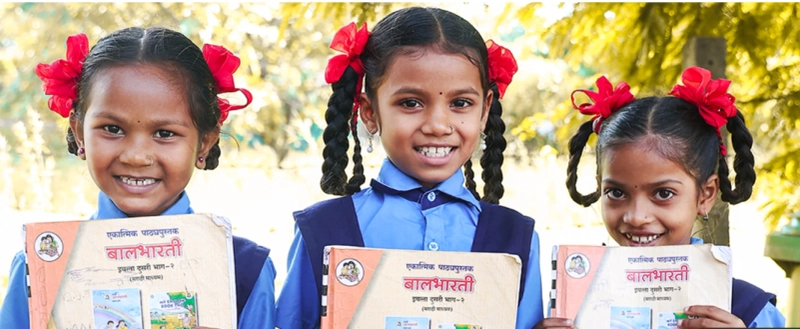
Education is often described as the foundation of a progressive society, yet millions of children still struggle to access quality learning resources. An education NGO in India plays a crucial role in bridging these gaps by creating opportunities for underserved children, supporting schools, and empowering communities with knowledge. With a country as diverse and vast as India, the contribution of education-focused NGOs becomes vital in ensuring that every child—regardless of their socio-economic background—receives the chance to learn, grow, and dream of a better future.
The Educational Landscape in India: Challenges That Persist
India has made remarkable progress in increasing school enrollment over the past few decades, but the struggle for quality education continues. Rural schools often lack essential infrastructure, learning materials, and trained teachers. Many economically disadvantaged families face barriers such as poverty, long commuting distances, early employment pressures on children, and limited awareness of the importance of schooling.
These challenges create an urgent need for organizations that can step in, rebuild trust in education, and offer structured support systems. This is where education-centric NGOs come forward—acting as catalysts for change and filling gaps that traditional systems often miss.
How NGOs Work to Strengthen Education
1. Enhancing School Infrastructure
Many NGOs work directly with government schools in rural and urban areas to upgrade classrooms, repair buildings, provide furniture, build libraries, and create safe learning spaces. A well-maintained school environment can dramatically improve attendance and engagement, especially for first-generation learners.
2. Providing Learning Materials and Digital Tools
From textbooks and notebooks to tablets and e-learning platforms, NGOs ensure that children have the essential tools to learn effectively. In the digital age, they also introduce smart classrooms, educational software, and interactive content to make learning more engaging and accessible.
3. Teacher Training and Capacity Building
Quality education requires capable, confident, and motivated teachers. NGOs regularly conduct teacher workshops on modern teaching methodologies, child psychology, activity-based learning, and subject mastery. These programs empower educators to deliver lessons more effectively.
4. Running Bridge Courses and Learning Centres
Children who drop out of school or are far behind academically need more than traditional classroom teaching. NGOs run after-school programs, remedial classes, and community learning centres to help students catch up on core subjects and transition smoothly back into formal schooling.
Focusing on Holistic Child Development
Education is not just about textbooks. NGOs ensure that students receive exposure to extracurricular activities, sports, arts, life skills, and personality development modules. Workshops on communication skills, financial literacy, emotional well-being, and career guidance prepare children for a balanced and confident future.
Some NGOs also provide mid-day meals, health checkups, and nutritional support, ensuring that children are physically capable of attending school regularly. For vulnerable communities, this holistic approach becomes a lifeline to stability and hope.
The Impact of NGO-Led Interventions
The work done by educational NGOs has resulted in:
- Improved school enrollment and attendance
- Higher literacy rates among children and adults
- Greater interest in formal education among marginalized communities
- Empowered girls who continue schooling instead of early marriage
- Youth receiving pathways to vocational training and career opportunities
These changes may seem incremental at first glance, but over time, they uplift entire communities and create generational progress.
Community Involvement: A Key to Sustainable Change
One of the most impactful strategies used by NGOs is community engagement. When families understand the long-term benefits of education, they are more likely to send their children to school consistently. NGOs conduct awareness drives, parent-teacher sessions, and village meetings to change mindsets and encourage a supportive learning ecosystem.
By working hand-in-hand with communities, NGOs ensure that children receive the emotional and social support needed to stay committed to learning.
Looking Ahead: The Road to an Educated India
As India continues its journey toward inclusive growth, the role of NGOs remains indispensable. Their efforts help bridge socio-economic divides, support government initiatives, and bring education to the doorstep of those who need it most. The vision of a fully literate, empowered, and equitable India depends heavily on collaborative efforts between citizens, NGOs, government bodies, and private organizations.
The future belongs to children—and every step taken today to strengthen their education brings the nation closer to a brighter tomorrow. Through consistent support, volunteer involvement, and community partnerships, NGOs will continue shaping pathways of learning, opportunity, and hope for millions.
If more organizations and individuals join hands in supporting these missions, the dream of universal quality education in India can truly become a reality.