



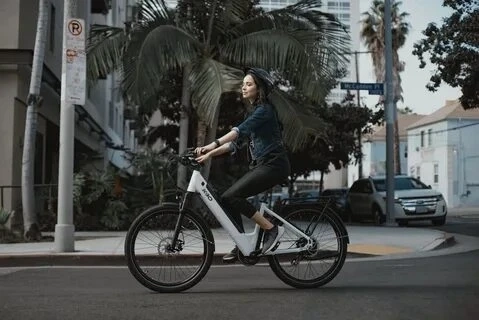
In recent years, the way people move around European cities has undergone a major transformation. From Amsterdam’s canals to Paris’s bustling boulevards, bicycles have always been an essential part of daily commuting. However, with growing concerns about sustainability, rising fuel prices, and the need for faster travel in urban areas, electric bikes (often called e-bikes) have emerged as the preferred mode of eco-friendly commuting. More than just a trend, e-bikes represent the future of urban mobility across Europe.
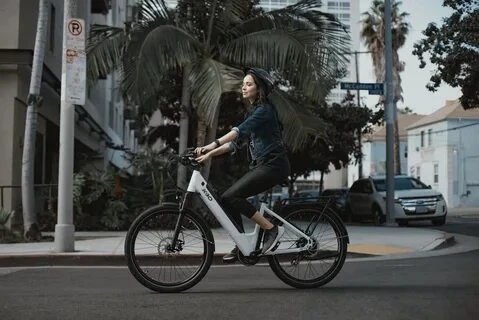
The Rise of Electric Bikes in Europe
Europe has been at the forefront of promoting sustainable transportation. With cities implementing stricter emissions regulations and offering incentives for green mobility, e-bikes are gaining massive popularity. Germany, the Netherlands, and France lead the way, but adoption is growing in Spain, Italy, and Eastern Europe too. According to recent reports, the European e-bike market is expected to grow significantly over the next decade, making them a mainstream commuting option.
Unlike traditional bicycles, e-bikes are equipped with a motor and battery that assist the rider while pedaling. This combination makes it easier to cover longer distances, climb hills, and ride comfortably without breaking a sweat—an important factor for daily commuters who need to arrive at work fresh and ready.
Why E-Bikes Are the Future of Commuting
Several factors explain why e-bikes are quickly becoming the go-to choice for eco-conscious Europeans:
- Sustainability and Environmental Benefits
- E-bikes produce zero direct emissions, making them one of the cleanest transportation options available. Replacing short car journeys with e-bike rides significantly reduces carbon footprints. As European Union countries push toward climate-neutral targets, choosing an electric bike supports both personal and collective environmental goals.
- Cost-Effective Transportation
- Compared to owning a car or relying on public transport, e-bikes are much more economical. While the initial investment may seem high, the long-term savings are substantial. There’s no need for fuel, parking fees, or expensive maintenance. In many European countries, subsidies and tax incentives make e-bikes even more affordable.
- Health and Lifestyle Benefits
- Even though the motor assists your pedaling, riding an e-bike still provides physical exercise. Commuters can stay active without feeling exhausted, making it a healthy alternative to sitting in traffic. Additionally, studies show that people who own e-bikes tend to cycle more often than those with traditional bikes, improving overall fitness levels.
- Time-Saving Convenience
- In congested European cities like London, Rome, or Berlin, e-bikes offer a practical way to beat traffic. Many cities now have dedicated cycling lanes, allowing riders to reach their destinations faster than cars or buses. For workers commuting within 10–15 km, e-bikes are often the fastest option.
- Adaptability and Variety
- One of the best things about e-bikes is their versatility. Commuter e-bikes are perfect for daily rides to work, while cargo e-bikes are ideal for families and small businesses transporting goods. Folding e-bikes are great for urban dwellers who need compact storage, and all-terrain e-bikes allow adventure seekers to explore beyond the city. This variety ensures there’s an electric bike suitable for every lifestyle.
E-Bikes vs. Other Electric Mobility Options
Europe has also seen the rise of electric scooters, which appeal to younger riders and short-distance travelers. While scooters are convenient for quick trips, e-bikes remain the more practical option for commuting longer distances. With better stability, higher range, and the ability to carry extra weight, e-bikes outperform scooters in terms of daily usability.
Public transport remains vital, but pairing it with an e-bike creates a flexible, multimodal commuting system. Folding e-bikes, for example, can easily be taken on trains or trams, offering a seamless connection between long and short-distance travel.
Government Support and Policies
European governments are actively encouraging the use of e-bikes. Cities like Paris and Brussels offer subsidies for e-bike purchases, while others provide tax benefits for companies that supply e-bikes to employees. Infrastructure investments, including expanded cycling lanes and charging stations, make e-bikes even more attractive for commuters.
Moreover, the EU’s focus on reducing greenhouse gas emissions aligns perfectly with the shift toward e-mobility. With policies supporting green transportation, the demand for e-bikes will only increase in the coming years.
Overcoming Common Concerns
Some people worry about the cost of batteries, charging times, or the lifespan of e-bikes. However, modern lithium-ion batteries are highly efficient, often lasting several years with proper care. Charging is simple, usually from a standard wall socket, and takes only a few hours. As technology advances, battery capacity and durability continue to improve, making e-bikes more reliable than ever.
Safety is another concern. Fortunately, European cities are becoming increasingly bike-friendly, with dedicated lanes, improved traffic rules, and awareness campaigns. With the right safety gear and road awareness, e-bike commuting is both safe and enjoyable.
The Cultural Shift
Beyond practical advantages, e-bikes are reshaping European lifestyles. They represent freedom, independence, and a commitment to sustainability. Cities once dominated by cars are transforming into cleaner, quieter, and more livable environments. For younger generations, choosing an e-bike is not just about commuting—it’s about aligning with values of health, eco-responsibility, and smart living.
The Road Ahead
As technology continues to improve, future e-bikes will feature smarter designs, longer-lasting batteries, and even better integration with digital tools. GPS tracking, app-controlled settings, and advanced safety features are already making their way into the European e-bike market. This progress ensures that e-bikes will remain a central part of eco-friendly commuting well into the future.
Frequently Asked Questions (FAQs)
1. Are electric bikes allowed in all European cities?
Yes, e-bikes are legal across Europe, but specific regulations vary. In most countries, e-bikes with a maximum speed of 25 km/h and motor power of 250W are allowed without requiring a license or registration. Always check local rules before riding.
2. How far can an electric bike travel on a single charge?
Range depends on the model, battery size, and riding conditions. On average, commuter e-bikes in Europe can travel between 40–100 km on a single charge. Premium models may exceed this, especially when used in eco-assist modes.
3. What is the difference between an e-bike and an electric scooter for commuting?
E-bikes are better for longer distances, offer more comfort, and allow for exercise while commuting. Electric scooters are lighter and suited for short trips but are less versatile. Many Europeans prefer e-bikes for their practicality and adaptability.
Conclusion
E-bikes are not just a passing trend in Europe; they are the future of eco-friendly commuting. Offering affordability, sustainability, convenience, and health benefits, electric bikes perfectly address the challenges of modern urban living. With strong government support and an increasing cultural shift toward green mobility, it’s clear that e-bikes will play a key role in shaping Europe’s transport systems for decades to come.