



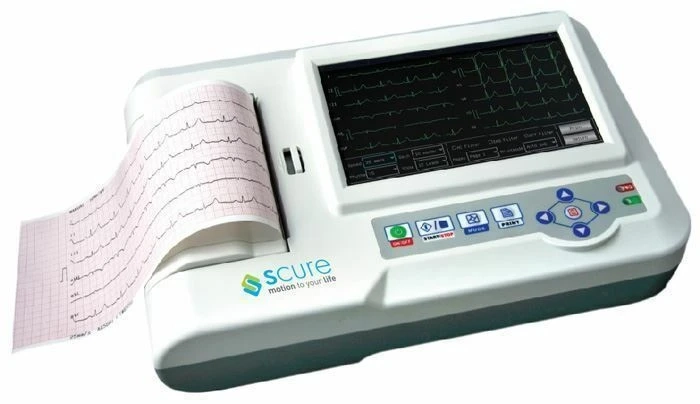
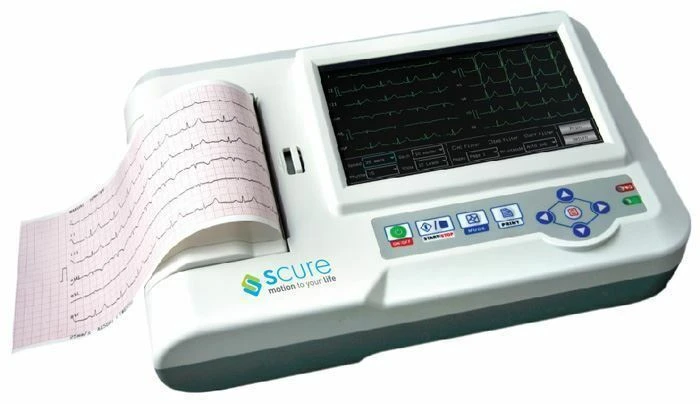
Electrocardiograms, commonly referred to as ECGs, are critical diagnostic tools in modern medicine. They are used to capture and analyze the electrical activity of the heart, aiding healthcare professionals in diagnosing potential cardiac issues such as arrhythmias, myocardial infarction, and more. ECG machines have evolved significantly over the years, offering features that cater to diverse medical settings, from hospitals and clinics to home health monitoring. If you're planning to purchase an ECG machine in 2025, this guide will help you make an informed decision by explaining the types of ECG machines, their price ranges, and key features to consider.
What Is an ECG Machine?
An ECG machine is a medical device designed to measure and record the electrical signals that control heart activity. The data collected by an ECG machine can help detect heart-related conditions such as irregular heartbeat (arrhythmia), blocked arteries, ischemia, or heart enlargement.
ECG machines are vital for medical diagnostics and monitoring, making them indispensable for cardiologists, internists, emergency medical personnel, and general practitioners. Today, technological advancements have led to the availability of cutting-edge ECG machines that provide accurate results, portability, and even wireless connectivity.
When choosing an ECG machine, understanding the types available, their respective functionalities, and price considerations will ensure that you select a device tailored to your needs.
Types of ECG Machines
Before delving into ECG machine prices or features, it's crucial to understand the different types of ECG machines available on the market in 2025. Broadly, ECG machines are categorized based on their configuration, number of leads, and intended use cases.
1. Resting ECG Machines
Resting ECG machines are commonly used in clinics and hospitals to measure heart activity during non-strenuous conditions. They are designed for patients who are lying down or relaxed.
- Configuration: These machines connect to patients via multiple leads, typically 3, 6, or 12 leads.
- Ideal For: Routine check-ups and cardiac diagnostics.
- Accuracy: High, as measurements are taken under controlled conditions.
2. Stress ECG Machines
Stress ECG machines are designed to monitor the heart’s activity while the patient performs physical exercise (like walking on a treadmill). This type of test helps identify issues that may only arise during exertion.
- Configuration: Often paired with exercise equipment like treadmills or bikes.
- Ideal For: Diagnosing exercise-induced arrhythmias or evaluating cardiac patients for rehabilitation.
- Special Features: These machines often incorporate software to analyze stress test data.
3. Holter Monitors
Holter monitors are portable and allow continuous monitoring of heart activity for extended periods (usually 24-48 hours). These devices are used to detect intermittent cardiac issues that may not appear during resting exams.
- Configuration: Lightweight, wearable machinery with fewer leads than stationary ECG machines.
- Ideal For: Patients experiencing occasional palpitations or arrhythmias.
- Convenience: Their portability makes them suitable for outpatient use.
4. Portable ECG Machines
Portable ECG machines are compact devices that are ideal for home healthcare or remote monitoring. With advancements in wearable technology, portable ECG machines often feature wireless connectivity, smartphone integration, and compact designs.
- Configuration: Some use single-lead designs, while others offer up to 6 or 12 leads.
- Ideal For: Emergency use, telemedicine, and personal health monitoring.
- Future Potential: Increasingly popular in 2025 due to telehealth expansion.
5. Advanced and AI-Powered ECG Machines
AI-powered ECG machines are cutting-edge devices equipped with sophisticated algorithms to detect anomalies faster and with higher accuracy. Using machine learning, these devices deliver detailed cardiac reports and often automate certain processes, reducing human error.
- Ideal For: Hospitals and research institutions seeking high precision.
- Key Features: Advanced data analytics and integration with a digital health ecosystem.
ECG Machine Price Range
The ECG machine price varies widely depending on the type, features, and brand. Below is a breakdown of the typical price ranges you can expect in 2025:
Low-End ECG Machines:
- Price Range: $500–$3,000
- Examples: Portable and single-lead ECG devices.
- Ideal For: Small healthcare providers, general practitioners, or individuals opting for home monitoring.
- Features: Basic display, limited storage capacity, and manual data transfer.
Mid-Range ECG Machines:
- Price Range: $3,000–$10,000
- Examples: Resting ECG machines (3-lead or 6-lead) and basic stress machines.
- Ideal For: Private clinics and medical diagnostic centers.
- Features: Larger display panels and enhanced software integration.
High-End ECG Machines:
- Price Range: $10,000–$50,000
- Examples: 12-lead systems, advanced stress machines, and AI-powered systems.
- Ideal For: Hospitals, research labs, and high-paced clinical environments.
- Features: High storage capacities, seamless connectivity, and additional diagnostic tools.
Holter Monitors and Wearables:
- Price Range: $300–$10,000
- Examples: Compact, wearable monitoring systems.
- Ideal For: Diagnosing intermittent issues during daily activities.
- Features: Wireless connectivity and patient-friendly interfaces.
Factors Affecting Price:
- Number of Leads: More leads generally mean higher costs due to improved diagnostic capability.
- Advanced Features: Connectivity options, AI integration, and durability add to the price.
- Brand Reputation: Established brands often come at a premium due to their proven reliability.
Key Features to Consider When Buying an ECG Machine
Choosing the right ECG machine requires careful evaluation of your clinical or individual needs. Here are key features to consider:
1. Lead Configuration
ECG machines may come with 3, 6, or 12 leads. A 12-lead ECG machine provides the most detailed view of the heart’s activity and is commonly used by cardiologists for diagnostics. For basic applications, a 3 or 6-lead machine may suffice.
2. Display Quality
The quality of the display is crucial for interpreting waveform data accurately. LCD or LED screens are ideal as they provide clear resolution.
3. Portability
For small clinics or home health monitoring, portable ECG machines are highly convenient. Look for compact designs and lightweight options.
4. Connectivity
Modern ECG machines often come with wireless connectivity options, including Wi-Fi, Bluetooth, or integration with electronic health records (EHR). This feature allows data to be easily uploaded or shared.
5. Data Storage and Export Options
Ensure the machine has ample data storage for patient records. Many machines allow data export via USB, cloud storage, or direct integration with hospital systems.
6. Battery Life
If you’re opting for a portable or Holter ECG machine, battery life is an essential consideration. The device should be able to operate continuously for extended periods.
7. Software Features
Some machines come with built-in software for diagnostic analysis, automation, and reporting. AI-powered ECG machines are increasingly popular for their ability to provide detailed insights quickly.
8. Warranty and Service
Check the warranty terms, as they vary by manufacturer. Opt for a device with a comprehensive warranty and accessible technical support.
9. Brand and Build Quality
Reputable brands such as GE Healthcare, Philips, and Welch Allyn dominate the market. These manufacturers offer reliable, durable ECG machines with proven accuracy.
Trends in ECG Machines to Watch in 2025
As technology advances, ECG machines are becoming smarter, more portable, and increasingly patient-friendly. Here are some trends to keep in mind for 2025:
1. AI Integration
Artificial intelligence is revolutionizing ECG interpretation and diagnostics. AI-powered ECG machines can flag critical issues, analyze complex patterns, and offer predictive analytics.
2. Wearable Technology
Wearable ECG devices are growing in popularity for both medical and personal use. Devices like smartwatches with ECG capabilities allow individuals to monitor their heart health on the go.
3. Remote Monitoring
With the expansion of telemedicine, ECG machines with remote monitoring capabilities are in high demand. These devices allow healthcare providers to review patient data regardless of geographical location.
4. Sustainability
As healthcare moves toward sustainable practices, ECG machines built with eco-friendly materials and energy-efficient designs will likely dominate the market.
5. Advanced Connectivity
Expect more ECG machines to feature advanced connectivity, allowing direct integration with cloud-based platforms, mobile apps, and healthcare systems.
Final Thoughts: Choosing the Best ECG Machine in 2025
The key to selecting the right ECG machine lies in understanding your specific requirements, whether clinical or personal. Consider factors such as intended use, lead configuration, connectivity options, and budget when evaluating options. Whether you’re looking for a basic portable ECG machine or a high-end AI-enabled device, there’s a wide selection available to meet your needs.
From the ECG machine price to the future-oriented features offered by AI and wearable technology, 2025 promises continued innovation in cardiac care devices. By leveraging this buying guide, you’ll be better equipped to choose an ECG machine that delivers accurate diagnostics while aligning with your clinical or individual health goals.
Be sure to consult reputable brands and vendors when making your purchase to ensure you receive a high-quality machine with reliable support. Your decision today could lay the foundation for improved heart health diagnostics tomorrow!