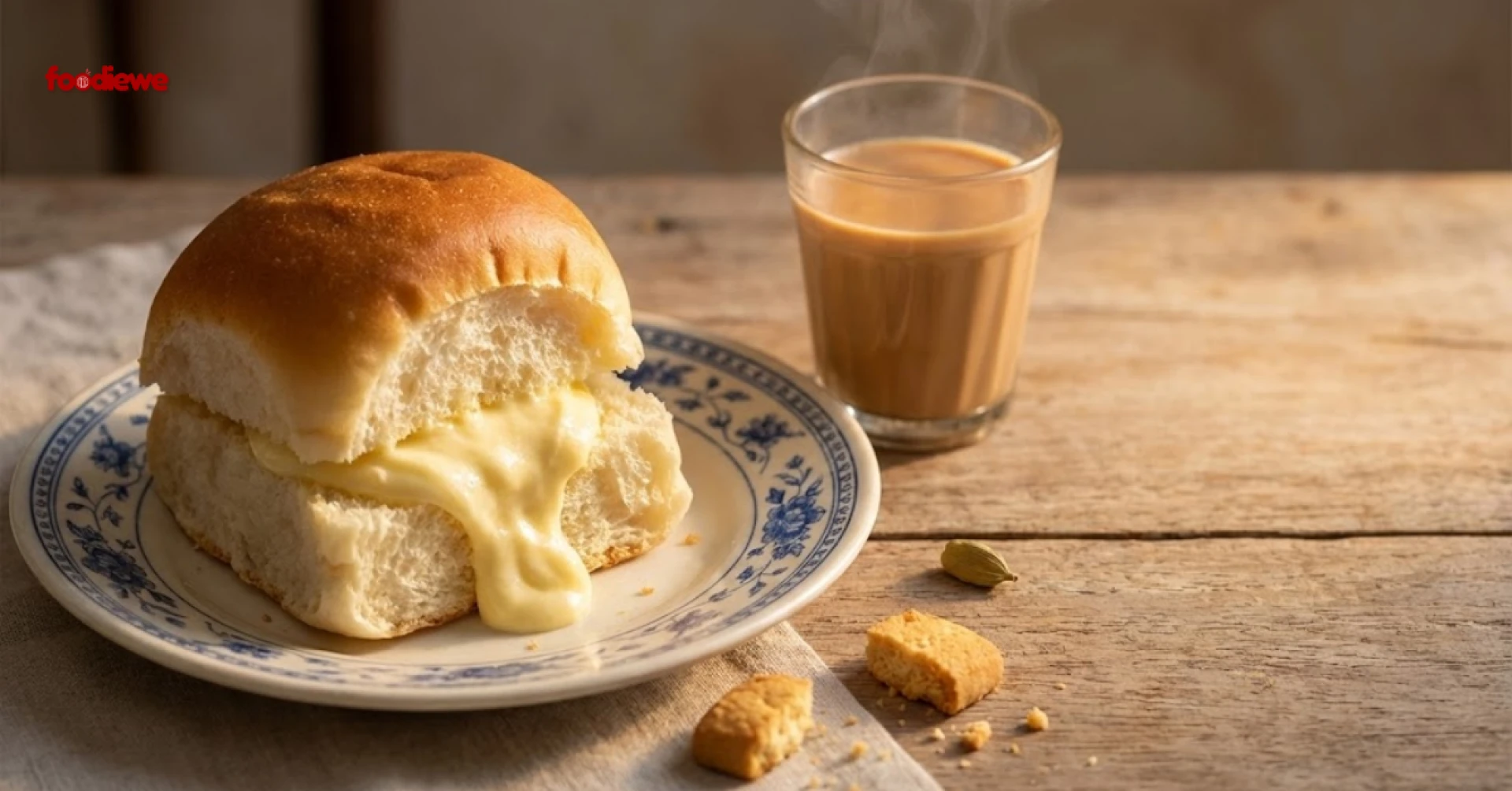
Learning to cook Indian food can feel scary at first. You see long ingredient lists, many steps and words you may not fully understand. If you’re new to the kitchen, it helps to start with something that is easy, comforting and almost impossible to mess up. Bun maska is the perfect place to begin. With just a few ingredients and simple steps, it gives you confidence and a delicious snack to enjoy with your chai.
Why Bun Maska Is Perfect for Beginners
Bun maska doesn’t ask for chopping, grinding or complicated timing. You only need soft buns, butter and a bit of patience to warm and assemble everything. Even if you have never cooked before, you can follow this idea without feeling lost.
It also teaches a few basic habits every home cook needs: how to soften butter, how to warm bread without burning it and how to balance flavours like salty and sweet. Once you’re comfortable with these small skills, moving on to other easy Indian dishes becomes much less intimidating.
Step 1: Understanding the Bun
At the heart of bun maska is the bun itself. For the best result, pick soft milk buns or pav from a bakery you trust. When you gently press the top, it should spring back; that means it’s fresh. The crumb inside should be light and fluffy, not dense or dry.
For a single person or a small family, buying buns once or twice a week and storing them in an airtight box works well. As a beginner, this is simpler than baking bread from scratch, and it still gives you the feel of a fresh, homely snack.
Step 2: Getting Comfortable with Butter
Butter is the “maska” in bun maska, so it deserves attention. Instead of using it directly from the fridge, take it out 20–30 minutes earlier. Soft butter spreads easily and doesn’t tear the bun. Place it in a small bowl and press with a spoon until it turns smooth and creamy.
If you enjoy a hint of sweetness, you can mix in a pinch of powdered sugar. This gives you a gentle, café‑style flavour. The idea is to make the butter light and spreadable, not stiff and heavy. Learning how to handle butter like this will help you later when you move to other beginner‑friendly recipes like sandwiches, toast toppings or simple baking.
Step 3: Learning to Warm Bread Properly
Many new cooks either under‑heat the bun or burn it by using a high flame. The trick is to keep the stove on low and be patient. Place a tawa or flat pan on the flame, let it heat gently, then add the bun. Turn it every few seconds so it warms evenly.
You’re not trying to make it crispy like toast. You just want it soft and slightly warm all the way through. This small step changes the texture completely and makes the bun feel like something you’d get in a café rather than straight from a packet.
Step 4: Assembling Your First Bun Maska
Once the bun is warm, place it on a board and slice it horizontally, keeping one side attached so it opens like a book. Spread the softened butter generously on both inner halves. Close the bun gently and press very lightly so the butter reaches the edges.
When you take your first bite, notice how the warmth of the bread and the creamy butter come together. This simple moment gives a huge boost of confidence—you’ve just made a classic Indian café snack with your own hands, without any complicated effort. If you want more guidance later, you can always search for a detailed bun maska recipe, but this basic version already tastes comforting.
Turning It into a Small Meal
As a beginner, you may not want to cook many side dishes. The good thing is that bun maska pairs beautifully with basic drinks you probably already know how to make. A cup of masala chai, plain tea, coffee or even hot chocolate is enough to turn it into a satisfying light breakfast or evening snack.
If you want to make the plate slightly healthier, add a few slices of fruit or a handful of nuts. You don’t need to cook them; just place them on the side. This way, you slowly learn how to build simple, balanced plates without feeling overwhelmed.
Using Bun Maska to Build Kitchen Confidence
The real value of starting with bun maska is the confidence it gives you. Once you realise you can manage the stove, time the warming correctly and create something tasty, you naturally feel ready to try other easy Indian recipes.
From here, you can move on to:
- Simple sandwiches using the same buns and butter plus cucumber or tomato
- Basic toast with flavoured butter or chutney
- Quick snacks like masala bun, where you add a little spice to the butter
Each new step still feels connected to your first success, so the learning curve stays gentle and enjoyable.
A Friendly First Step into Indian Cooking
Indian cuisine is full of rich curries, layered breads and complex sweets, but you don’t have to start there. Beginning with something as humble as bun maska lets you taste the comfort of Indian food without getting lost in heavy preparation.
With soft bread, properly softened butter and a bit of care, you can make a snack that carries the warmth of Irani cafés and home kitchens in every bite. Once you’re comfortable with this, you’ll find it much easier to explore more dishes, knowing that you’ve already taken the first, friendly step into Indian cooking.