



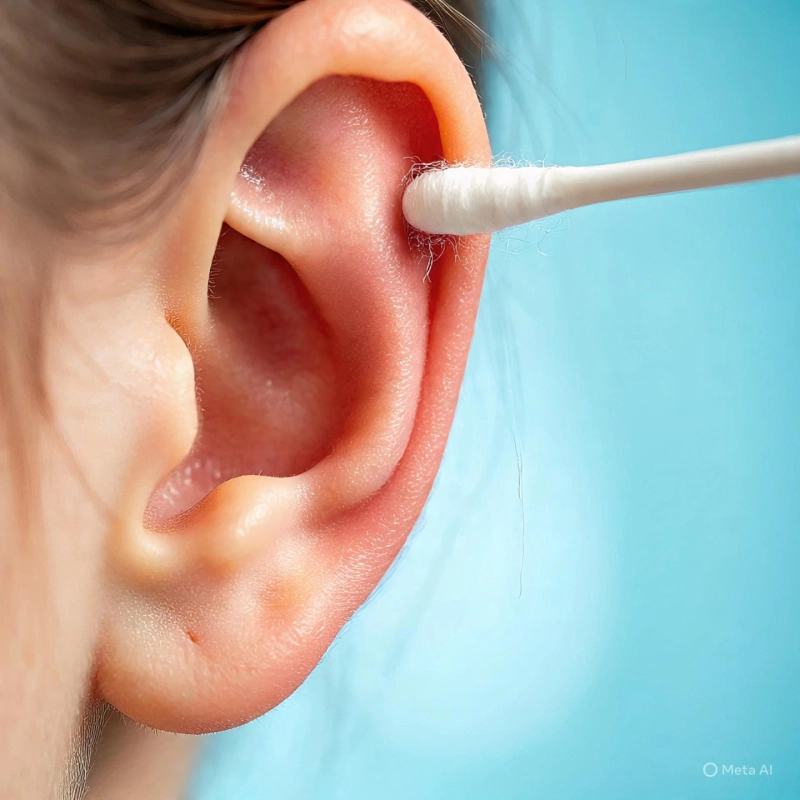
Earwax is a small thing, but it plays a very important role in keeping our ears healthy. Many people feel embarrassed when they think about earwax, but the truth is that earwax protects our ears from dust, bacteria, and water. It works like a natural shield. However, when too much wax collects inside the ear, it becomes uncomfortable and sometimes even painful. This is when Earwax Removal becomes necessary.
In today’s busy life, people often clean their ears without knowing the right method. Some use earbuds, some use hairpins, and some try random home remedies. These wrong methods can cause more harm than good. That is why understanding the right way of Earwax Removal is important.
This article explains everything in very simple language so anyone can understand it. You will learn why earwax forms, what symptoms show wax buildup, how to remove it safely at home, when to take help from a doctor, and what mistakes to avoid. The tone is natural and smooth, just like a friendly person explaining something.
Understanding Why Earwax Naturally Forms
Earwax, also known as cerumen, is made by small glands inside the ear canal. These glands produce wax to keep our ears clean and protected. Many people think earwax is dirt, but it is actually our body’s natural cleaning tool. As we talk, chew, or move our jaw, the wax slowly moves toward the outer part of the ear, carrying dust and germs with it. This process happens automatically.
However, some people naturally produce more wax than others. People with narrow or curved ear canals often face wax blockage because the wax cannot move out properly. Those who use earphones or hearing aids for long periods also experience more buildup because the device blocks the ear and interrupts the natural cleaning process.
Earwax can also vary in type. Some people have dry and flaky earwax, and others have sticky and wet earwax. Climate, age, and lifestyle play a big role in this. Older people often have harder wax because the glands become dry with age. Children have softer wax.
When earwax builds up too much, it becomes hard and creates discomfort. At this point, gentle and safe Earwax Removal becomes necessary. Understanding how wax forms makes it easier to choose the correct removal method, and it also helps you avoid harmful habits that damage the ear.
Common Signs You Need Earwax Removal
Most people notice a few simple signs when too much wax collects inside the ear. One of the most common signs is a feeling of blockage or heaviness in the ear. This happens when hardened wax blocks the ear canal and prevents sound waves from passing properly. Many people think something serious has happened, but often it is just wax buildup that needs removal.
Another sign is itching inside the ear. When wax becomes dry, it irritates the skin and causes discomfort. You may feel the urge to scratch your ear frequently, but scratching only makes the problem worse. Persistent itching is an early sign that Earwax Removal may be needed.
A third sign is reduced hearing. If you suddenly feel that voices sound softer, or you need to turn up the volume more than before, it might be due to wax blocking your ear. This hearing loss is temporary and usually improves immediately after proper wax removal.
Some people also experience ringing sounds in the ear, known as tinnitus. When wax presses against the eardrum, it creates unusual buzzing or humming sounds. Earwax may also cause dizziness because the ear plays an important role in balance.
Occasionally, you may notice odor or discharge. This can happen if bacteria get trapped behind the wax. In such cases, removing the wax safely becomes very important.
These signs are simple, but they help you understand what your ear needs. When you pay attention to them, you can take action at the right time and choose safe Earwax Removal methods.
Safe Home Methods for Gentle Earwax Removal
If the wax buildup is mild, you can try several safe home methods for Earwax Removal. These methods are gentle and do not harm the ear when done correctly. The most common home method is using earwax-softening drops. These drops help soften hard or dry wax so it moves out naturally. You can easily find them at medical stores. Just put a few drops in the ear, wait for a few minutes, and then allow the wax to come out on its own.
Warm water irrigation is another simple and safe method. Use only lukewarm water—not hot. Tilt your head, pour a small amount into the ear, wait for a moment, and let it drain out. This loosens the wax and helps wash it away. Many people use this method while bathing.
Natural oils are also helpful. Olive oil, coconut oil, or baby oil can soften dry wax. Using two drops before bedtime is enough. By morning, the wax becomes softer and moves out easily. This method works well for children and people with sensitive ears.
Steam inhalation is another gentle way to soften wax naturally. When you inhale warm steam, the moisture softens the wax inside the ear canal. This is simple, safe, and effective.
However, you must avoid using earbuds, hairpins, or any sharp objects. These push the wax deeper and can cause injury or infection. The skin inside the ear is very delicate, so only soft and safe methods should be used.
Home methods are helpful for mild problems, but if the wax does not come out or symptoms become worse, you should choose professional Earwax Removal.
Professional Earwax Removal by Trained Experts
When earwax becomes too hard, deep, or compacted, home methods may not work. In such cases, professional Earwax Removal is the safest option. Doctors use special tools and techniques that remove wax without harming the ear.
One common method is ear irrigation. During this process, a doctor uses controlled water pressure to wash out the wax. It is quick, painless, and works well for most people.
Another advanced method is microsuction. In this technique, a small suction device gently removes the wax while the doctor carefully observes the ear through a microscope. This method is safe even for those who have sensitive ears, infections, or ear surgeries in the past.
In some cases, doctors use special instruments to manually remove the wax. These tools are designed to safely lift the wax without damaging the skin. Only trained professionals should use such tools.
Professional cleaning also allows the doctor to check if the symptoms are caused by wax or something else, such as infection, allergies, or fluid buildup. This ensures that you get the right treatment.
People who wear hearing aids, work in dusty areas, or naturally produce more wax should get professional Earwax Removal regularly to avoid major blockages. It is the safest and most effective option for complete cleaning.
Mistakes to Avoid During Earwax Cleaning
Many people unknowingly make mistakes while trying to clean their ears. These mistakes can cause long-term damage. The most common mistake is using cotton buds. Although they look safe, they actually push the wax deeper into the ear. Over time, this can create a larger blockage that becomes very painful.
Another dangerous habit is using sharp objects like pins, toothpicks, or matches. These can injure the ear canal and even damage the eardrum, which may cause permanent hearing loss.
Some people use ear candles, believing that they pull out wax. But ear candles are unsafe and not medically recommended. They can cause burns, wax dripping, and serious injury.
Using too much oil is also a mistake. While a few drops soften the wax, excessive oil can trap dirt and block the ear further.
Cleaning the ears too often is harmful as well. The ear naturally cleans itself, and cleaning it daily removes the protective layer, causing dryness and irritation.
Another mistake is ignoring symptoms. If you feel pain, fever, discharge, or severe blockage, home remedies may not be safe. Only professional Earwax Removal is suitable in such conditions.
Avoiding these mistakes keeps your ears safe, clean, and healthy in the long run.
Simple Daily Habits for Healthy Clean Ears
Taking care of your ears does not require any difficult steps. Simple habits can keep them healthy and reduce the need for frequent Earwax Removal. Start by keeping the outer part of your ear clean with a soft cloth. Do not insert anything inside the ear canal.
If you use earphones or earbuds regularly, clean them often. They collect dirt and bacteria that enter the ear. Also, avoid using earphones for long hours because they block airflow and increase wax buildup.
Stay hydrated. Drinking enough water keeps the body’s natural oils balanced, preventing dry and hard wax.
Keep your ears dry after bathing or swimming. Move your head gently to allow water to drain out. Trapped water can mix with wax and cause discomfort.
If you often face wax problems, using softening drops once a month can help prevent hard buildup.
Protect your ears in dusty environments. Dust increases wax production as the ear tries to block unwanted particles.
By following these small habits, you can prevent wax problems and enjoy healthier ears without frequent Earwax Removal sessions.
Conclusion
Earwax is a natural part of our body’s cleaning system. It protects the ear, but too much wax can cause discomfort and hearing problems. Understanding why wax forms, knowing the signs of buildup, using safe home methods, and choosing professional help when necessary are all important for healthy ears. By avoiding common mistakes and following simple daily habits, you can keep your ears clean and comfortable without risking damage. Proper Earwax Removal is not difficult when done the right way.
Questions and Answers
Q1. Is earwax harmful for ears?
No. Earwax protects the ear from dust and infection. It becomes harmful only when it collects too much.
Q2. How do I know I need Earwax Removal?
If you feel blockage, itching, reduced hearing, or ringing, you may need wax removal.
Q3. Can I use cotton buds to clean my ear?
No. Cotton buds push wax deeper and can injure the ear.