



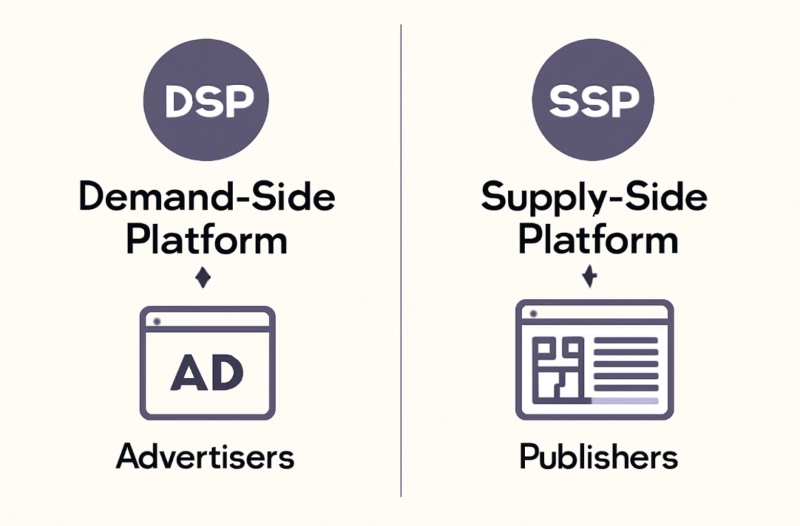
Digital advertising has transformed dramatically over the past decade. Gone are the days when placing ads meant calling publishers directly or working through a handful of networks. Today's programmatic ecosystem runs on sophisticated platforms that automate buying and selling ad space. Two critical components in this system are demand-side platforms (DSP) and supply-side platforms (SSP).
Understanding the differences between DSP and SSP technology matters for anyone involved in digital marketing. These platforms serve distinct purposes but work together to power the programmatic advertising marketplace.
Understanding DSP Technology
A demand-side platform helps advertisers buy digital ad space efficiently. Marketing teams use DSPs to purchase impressions across numerous websites without negotiating separately with each publisher.
The technology works by connecting advertisers to ad exchanges, where publishers make their inventory available. When someone visits a website, the DSP evaluates this potential impression against the advertiser's requirements. If the visitor fits the target audience and other criteria, the system places an automatic bid.
What makes DSP technology valuable is its control and efficiency. Advertisers gain access to thousands of sites through a single interface, often with more sophisticated targeting options than direct deals could provide. The platform typically handles audience segmentation, budget management, bid optimization, and performance reporting.
Marketing departments that regularly purchase digital advertising typically benefit from DSP access. The technology helps them reach specific audiences efficiently across the fragmented digital landscape while maintaining control over where their ads appear and how much they pay.
Understanding SSP Technology
A supply-side platform works from the opposite perspective. Publishers use SSPs to sell their available ad space to multiple potential buyers simultaneously. This creates competition for their inventory, which typically maximizes the revenue they receive.
When someone loads a webpage with available ad space, the publisher's SSP announces this opportunity to various ad exchanges and potential buyers. After collecting bids from interested advertisers, it awards the impression to whoever offers the highest price - all within milliseconds.
Website owners value SSP technology because it connects them to a broader pool of potential advertisers than they could reach through direct relationships alone. The platform typically handles inventory management, price floor settings, advertiser screening, and payment collection.
Media companies that monetize their content through advertising generally benefit from SSP access. The technology helps them fill more of their available inventory at better prices than they could achieve through manual sales efforts.
Key Differences Between DSP and SSP
The fundamental distinction comes down to which side of the transaction each platform serves. DSPs work for advertisers looking to buy ad impressions effectively. SSPs work for publishers trying to sell their available inventory at the best possible prices.
This primary difference leads to several practical distinctions in how the technologies function:
Different performance metrics matter for each platform. DSP users focus on metrics like:
- Cost per acquisition
- Return on ad spend
- Audience reach effectiveness
- Brand safety compliance
- Conversion attribution
SSP users prioritize different measurements, including:
- Revenue per thousand impressions
- Fill rate percentages
- Floor price optimization
- Demand partner performance
- Ad quality management
The platforms also approach data differently. DSP technology emphasizes audience information - who the person is and what they might be interested in buying. SSP technology focuses more on context information - what content surrounds the ad space and how valuable this placement has been historically.

How DSP and SSP Work Together
Despite serving different masters, these technologies form complementary parts of the same ecosystem. They connect through standardized protocols within ad exchanges to create an efficient marketplace for digital advertising.
A typical transaction works like this: When someone visits a publisher's website, the SSP makes the available ad space known to potential buyers. Multiple DSPs evaluate this opportunity against their advertisers' targeting parameters. Those with matching campaigns submit bids based on how valuable they consider this impression. The highest bidder wins, and their ad appears on the page.
This whole process typically completes in under 200 milliseconds - before the webpage even finishes loading. The seamless communication between DSP and SSP technology powers billions of ad transactions daily across the internet.
Choosing Between DSP and SSP
The decision about which technology to use isn't about which one is better - they serve entirely different purposes. The choice depends entirely on your position in the advertising ecosystem.
Marketing professionals should consider DSP technology when they regularly purchase digital advertising across multiple sites, need sophisticated audience targeting capabilities, want centralized campaign management, or seek detailed performance analytics. The technology helps them reach specific audiences efficiently while controlling costs.
Content publishers should look into SSP technology when they monetize their traffic through advertising, work with multiple potential buyers, need quality control over which ads appear, or want to maximize revenue from their available inventory. The platform helps them sell their ad space more efficiently than they could through direct relationships alone.
Some organizations, particularly larger media companies, might actually need both types of platforms. They often use SSP technology to monetize their own digital properties while simultaneously employing DSP capabilities to promote their content or services across other websites.
Recent Developments Affecting Both Platforms
The advertising technology landscape continues evolving. Several trends influence how both DSP and SSP platforms operate today:
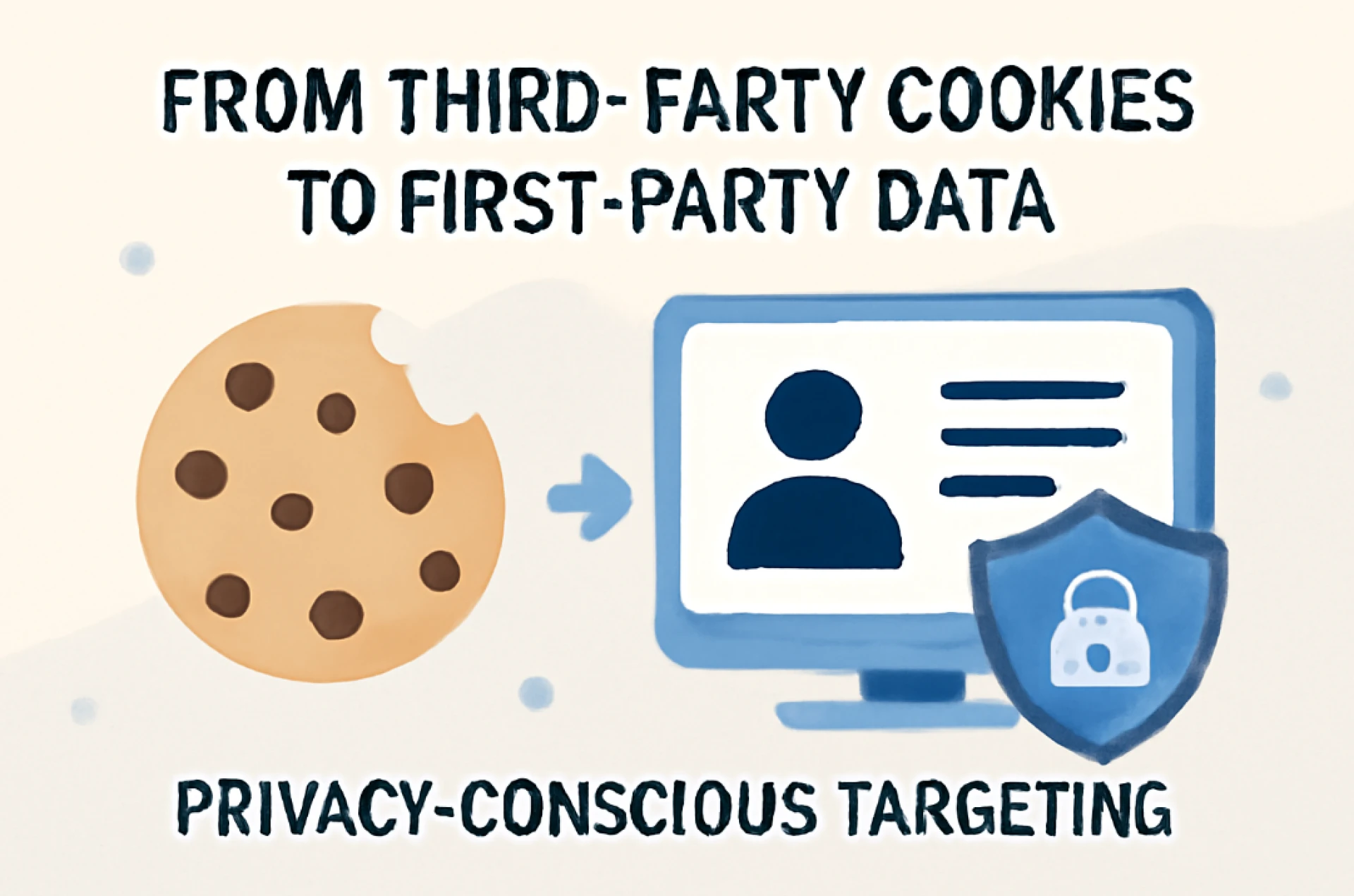
Privacy regulations have significantly changed targeting practices. With increasing restrictions on user tracking, both technologies now place greater emphasis on contextual relevance and first-party data rather than third-party cookies. This shift affects how campaigns get targeted through DSPs and how inventory gets valued within SSPs.
Connected television has grown substantially. As streaming services expand, both DSP and SSP providers have developed specialized features for video inventory. This represents a major growth area where traditional TV advertising merges with digital targeting capabilities.
Supply path optimization addresses marketplace complexity. This approach aims to create more direct connections between advertisers and publishers, reducing unnecessary intermediaries between DSP and SSP technology. Some companies now offer combined solutions to provide more transparency.
Mobile app advertising continues expanding. With people spending more time in apps than browsers, both platforms have evolved to better handle in-app inventory and measurement challenges specific to mobile environments.
Implementation Considerations
Organizations considering either technology should look beyond features to practical implementation questions:
Technical integration requirements matter significantly. Both platforms must connect smoothly with existing systems, from analytics tools to inventory management software. Compatibility assessment should precede any implementation decisions.
Cost structures vary widely across providers. Some charge percentage fees on transactions, while others use flat monthly rates or hybrid models. Understanding the true cost impact requires analyzing typical usage patterns against various pricing approaches.
The support model differs between providers. Some offer fully managed services with dedicated account teams, while others provide self-service platforms with limited assistance. Consider internal capabilities when selecting technology partners.
Conclusion: Complementary Technologies for Different Needs
The distinction between DSP and SSP technology ultimately comes down to business function rather than technical superiority. Both play essential roles in the programmatic advertising ecosystem, serving different participants with specialized capabilities.
Understanding the fundamental differences between these platforms helps clarify decisions about which technologies serve specific business objectives. By selecting the right tools and implementing them effectively, organizations can navigate the complex world of programmatic advertising more successfully.
The technology simply enables more efficient transactions in the digital marketplace. Success still depends on core marketing principles: understanding your audience, creating compelling messages, and measuring results consistently.