



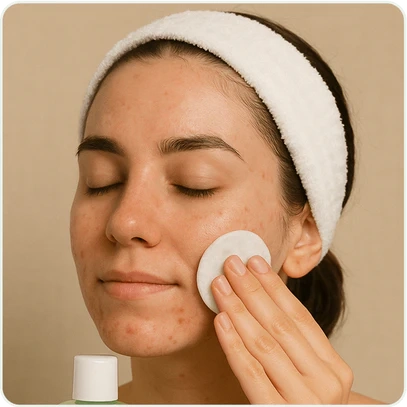
Many people assume dry skin and dehydrated skin are the same—but they’re not. In fact, confusing the two is one of the biggest reasons skincare routines fail. Both conditions can make your skin feel tight, flaky, or dull, but the root cause and treatment are completely different. Understanding the difference helps you choose the right products, avoid irritation, and restore long-lasting hydration.
This guide breaks down what dry skin is, what dehydrated skin is, how to identify your condition, and the right way to treat each one.
What Is Dry Skin?
Dry skin is a skin type—meaning it’s related to how much oil (sebum) your skin naturally produces. If your skin type is dry, it means your skin lacks lipids or natural oils. This condition is long-term and often genetic, although age and environment can make it worse, especially when choosing the right dry skincare for Czech women, who often face colder climates and lower humidity.
Characteristics of Dry Skin
- Feels rough or flaky
- Looks dull and uneven
- Often has visible dry patches
- Can feel tight after washing
- Prone to irritation and redness
- Fine lines appear more noticeable
Common Causes of Dry Skin
- Genetics (born with it)
- Cold weather
- Aging (reduced oil production)
- Harsh cleansers
- Over-exfoliating
- Low humidity environments
Because dry skin struggles to produce enough oil, it needs nourishing, moisturizing ingredients that replenish the lipid barrier.
What Is Dehydrated Skin?
Unlike dry skin, dehydrated skin is a skin condition, not a skin type. It means your skin lacks water, not oil. This means even oily or combination skin can become dehydrated.
Characteristics of Dehydrated Skin
- Skin feels tight but still looks shiny/oily
- Fine lines appear (especially “dehydration lines”)
- Looks dull and tired
- Makeup looks patchy or cracks easily
- Increased sensitivity
- Sometimes oily on the surface but dry underneath
What Causes Dehydrated Skin?
- Not drinking enough water
- Weather changes
- Air conditioners or heaters
- Strong acne treatments
- Over-washing
- Alcohol-based toners or products
- Caffeine and alcohol (internal dehydration)
Dehydrated skin needs hydrators that attract and retain water, rather than heavy oils.
How to Identify Whether Your Skin Is Dry or Dehydrated
Here are simple at-home tests to figure it out:
1. The Pinch Test
Gently pinch your cheek.
- If the skin wrinkles easily and looks papery → Dehydrated
- If the skin feels rough or flaky → Dry
2. Observe Your Oil Levels
After washing your face, wait 1 hour without applying anything.
- If your skin produces very little oil → Dry skin
- If it becomes oily but still feels tight → Dehydrated skin
3. Makeup Test
- Foundation clings to dry patches → Dry skin
- Makeup cracks or looks cakey → Dehydrated skin
How to Treat Dry Skin
Since dry skin lacks oil, the treatment must focus on adding moisture + nourishment.
✔ Use a gentle, creamy cleanser
Avoid foaming cleansers—they strip oil.
✔ Choose a rich moisturizer
Look for ingredients like:
- Ceramides
- Shea butter
- Squalane
- Almond or coconut oil
- Glycerin
- Hyaluronic acid (paired with oils)
✔ Add facial oils
Oils help build the protective barrier and lock in hydration.
✔ Reduce exfoliation
Exfoliate only once a week to avoid irritation.
✔ Keep showers short and lukewarm
Hot water worsens dryness.
✔ Use a humidifier in winter
This prevents moisture loss from your skin.
How to Treat Dehydrated Skin
Dehydrated skin needs water, not oil. Focus on hydrating ingredients and lifestyle fixes.
✔ Add hydrating serums
Look for water-binding ingredients like:
- Hyaluronic acid
- Panthenol (Vitamin B5)
- Aloe vera
- Glycerin
- Snail mucin
- Beta-glucan
✔ Use a lightweight moisturizer
Gel-based formulas are ideal for dehydrated yet oily skin.
✔ Avoid harsh cleansers
Choose mild, non-stripping products.
✔ Cut down on caffeine and alcohol
They trigger internal dehydration.
✔ Drink sufficient water
Aim for 6–8 glasses per day.
✔ Protect your skin barrier
Avoid over-exfoliating and strong activities that dry out your skin.
Can You Have Both Dry and Dehydrated Skin?
Yes—this is extremely common. For example, you may lack oil (dry skin) while also losing water due to climate or over-cleansing (dehydration). In this case:
- Use a hydrating serum first
- Apply a rich moisturizer or oil on top
This combination rebuilds both water and oil balance.
Final Thoughts
Dry skin and dehydrated skin may look similar, but their causes and treatments are completely different. Dry skin needs nourishing oils, while dehydrated skin needs water-binding hydrators. Once you identify your condition correctly, you can build a dry skin care routine that actually works reducing dullness, improving texture, and giving your skin the smooth, healthy glow it deserves.