



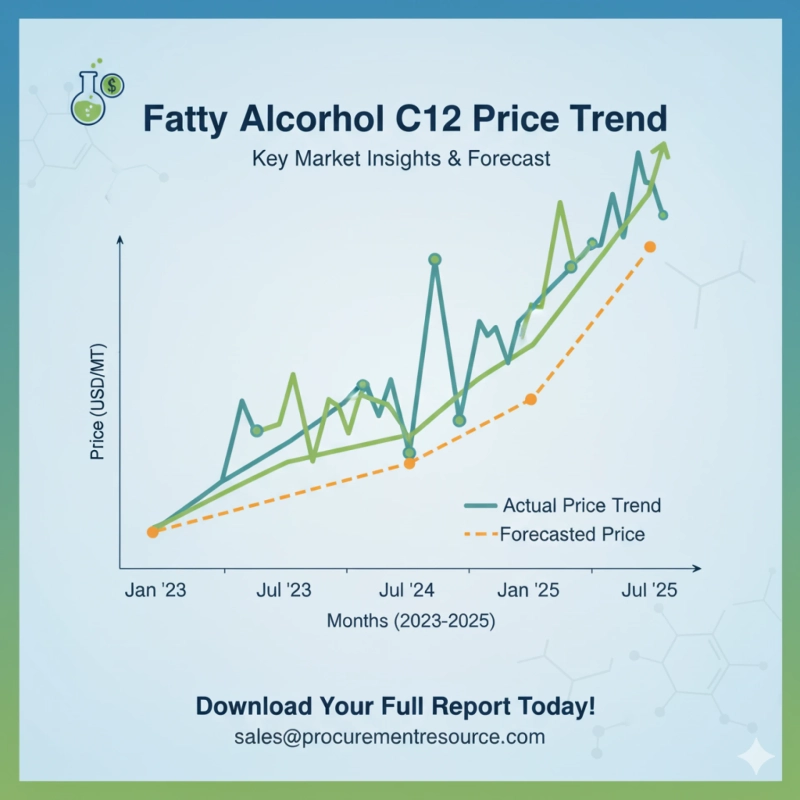
Dried Distillers Grains with Fatty Alcohol C12 Price Trend – 2025 Update
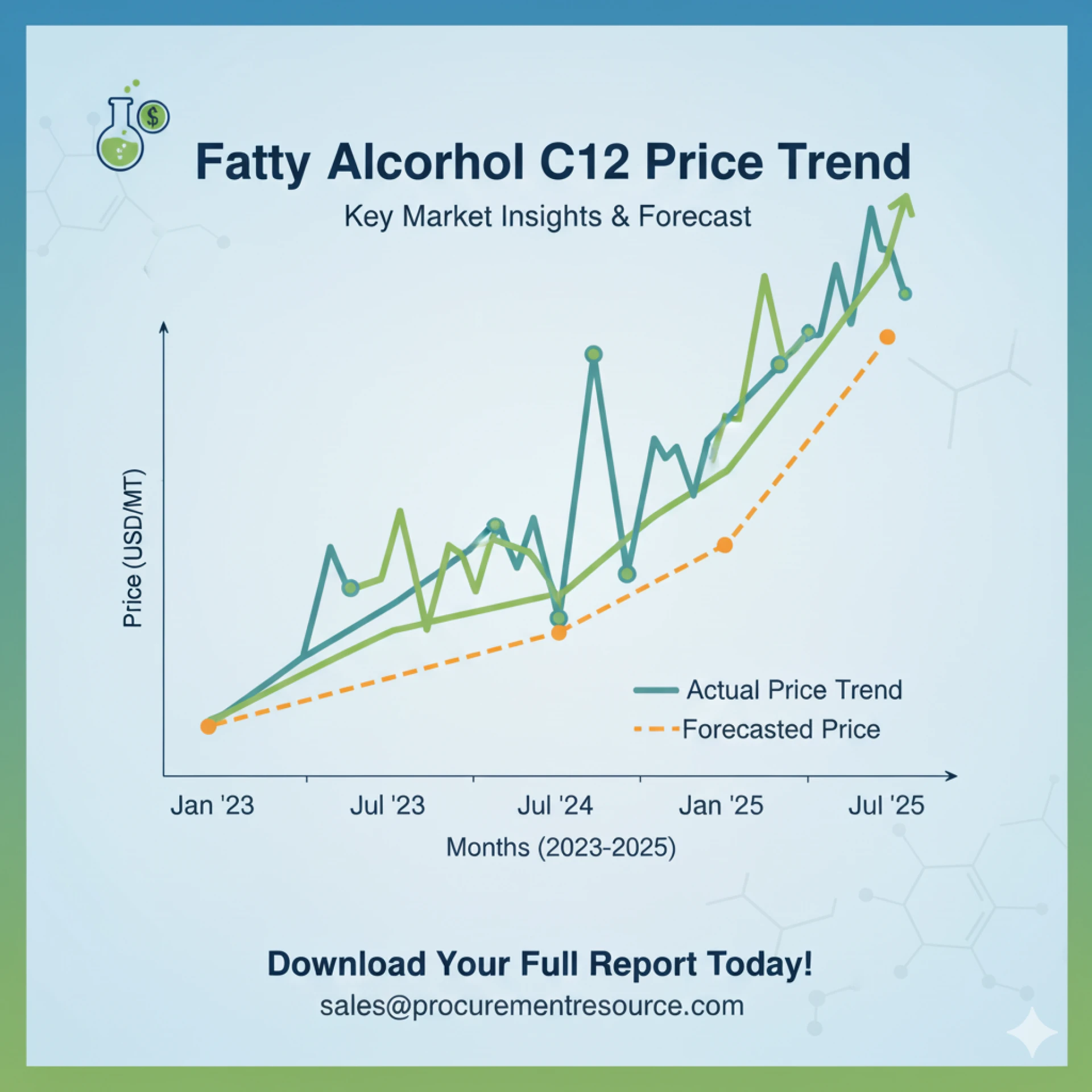
The Dried Distillers Grains with Fatty Alcohol C12 Price Trend is becoming a critical area of interest for agribusiness professionals, procurement managers, and chemical industry stakeholders. Both dried distillers grains (DDGS) and fatty alcohol C12 represent important commodities serving diverse sectors, from agriculture to industrial applications. Tracking their price movements offers valuable insights into supply chain planning, cost management, and market opportunities.
Dried Distillers Grains (DDGS) Overview
Dried Distillers Grains (DDGS) are co-products of ethanol production, derived mainly from corn and other cereal grains. Rich in protein, fiber, and nutrients, DDGS are widely used in animal feed for cattle, poultry, and swine. Their affordability and nutritional profile have made them a cornerstone of the global feed industry.
Price trends for DDGS are influenced by grain costs, ethanol production levels, and international trade policies. Seasonal crop yields and global demand for livestock feed also play a crucial role in determining market fluctuations.
Fatty Alcohol C12 Overview
Fatty Alcohol C12, also known as lauryl alcohol, is a long-chain alcohol used extensively in surfactants, detergents, personal care products, and industrial formulations. It is primarily derived from natural oils such as palm kernel or coconut oil.
Its market price trend is shaped by factors including raw material availability, production technology, demand from the household and industrial cleaning sectors, and global sustainability regulations in the palm oil industry.
Dried Distillers Grains with Fatty Alcohol C12 Price Trend – Global Market Analysis
The Dried Distillers Grains with Fatty Alcohol C12 Price Trend highlights how these two commodities move in response to regional and international dynamics.
- China: A leading producer and consumer of both animal feed and industrial chemicals, China significantly influences global pricing. Feed demand and fatty alcohol imports drive price shifts.
- India: Strong livestock demand and growing consumer markets for detergents and personal care products support steady price growth.
- United States: Abundant ethanol production ensures stable DDGS supply, while fatty alcohol markets are shaped by imports and domestic manufacturing.
- Europe: Sustainability regulations and seasonal demand patterns affect fatty alcohol prices, while feed requirements drive DDGS imports.
Key Market Drivers
- Agricultural Demand: Rising global livestock production boosts the consumption of DDGS.
- Industrial Expansion: Fatty Alcohol C12 demand is increasing with the growth of cleaning and personal care markets.
- Sustainability Trends: Policies encouraging renewable and bio-based products impact fatty alcohol sourcing and costs.
- Trade Policies: Import tariffs, shipping costs, and global trade agreements influence the combined price trends.
Forecast for 2025
The Dried Distillers Grains with Fatty Alcohol C12 Price Trend for 2025 is expected to show steady growth, supported by consistent agricultural feed demand and industrial applications. Global sustainability initiatives are likely to further drive demand for bio-based fatty alcohols, while ethanol industry expansion will maintain DDGS supply levels.
People Also Ask – FAQs
Q1. What is the significance of tracking the Dried Distillers Grains with Fatty Alcohol C12 Price Trend?
A: Tracking these trends helps businesses in agriculture, feed, and chemical industries optimize procurement strategies and forecast costs effectively.
Q2. What factors influence the price of DDGS?
A: Grain costs, ethanol production levels, and livestock feed demand are primary factors.
Q3. What drives the market for Fatty Alcohol C12?
A: Demand from detergents, personal care, and industrial cleaning products, along with sustainability regulations, shape market pricing.
Q4. Which regions are key markets for DDGS and Fatty Alcohol C12?
A: China, India, the United States, and Europe remain dominant due to high consumption and production capacities.
Q5. How does sustainability impact the Fatty Alcohol C12 price trend?
A: Regulations around palm oil sourcing and the shift toward bio-based chemicals increase production costs and influence price movements.