




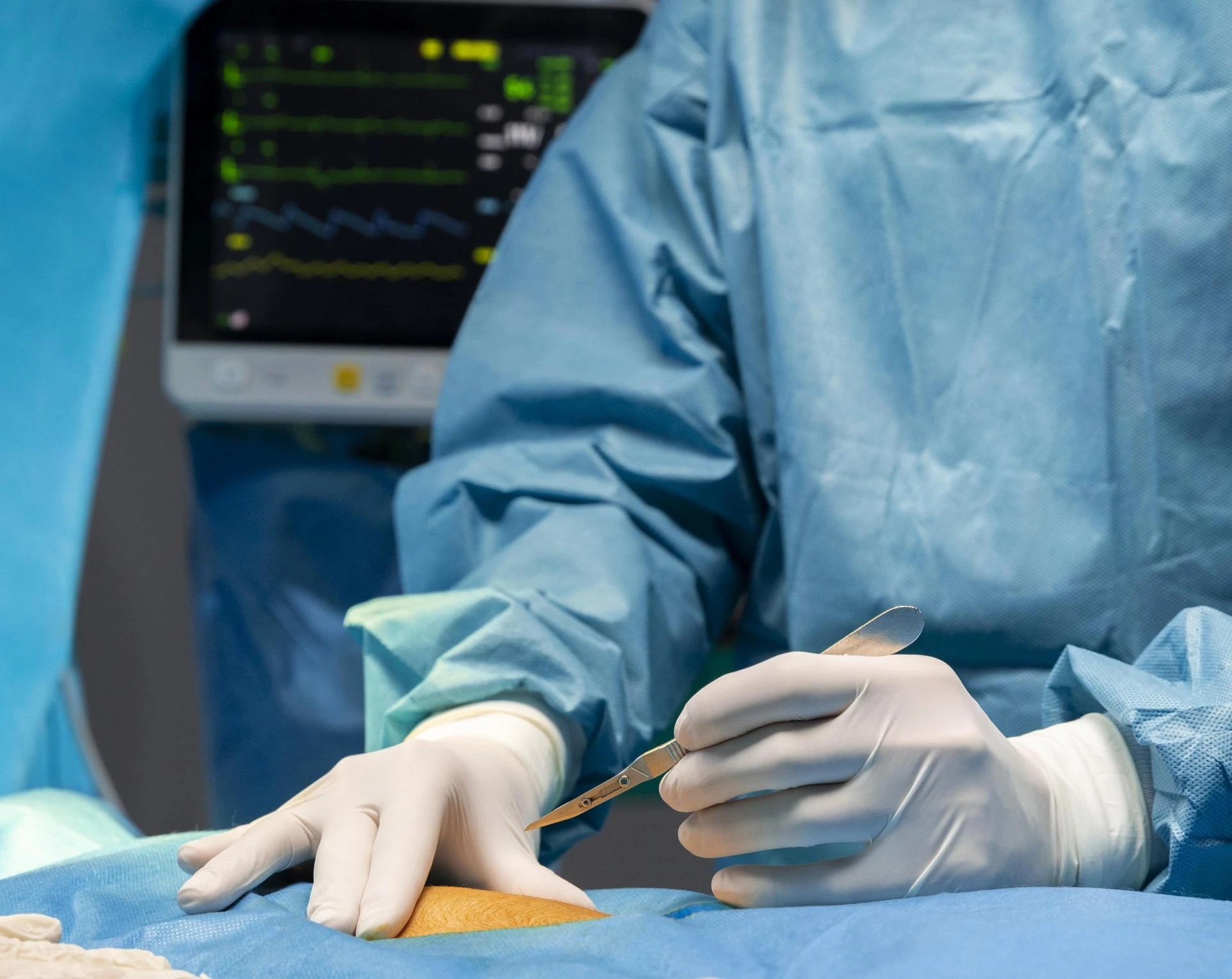
Joint disorders can silently progress over time, gradually limiting movement and causing persistent pain. Whether the issue arises from sports injuries, aging, or repetitive strain, untreated joint damage can significantly affect quality of life. When conservative treatments fail, arthroscopy offers a modern, minimally invasive solution. For patients planning this treatment, understanding arthroscopy cost and procedure details plays a vital role in choosing the right care and setting realistic expectations.
Arthroscopy has transformed orthopedic surgery by allowing precise diagnosis and treatment with minimal tissue disruption. This advanced approach not only improves recovery outcomes but also reduces the physical and financial burden of traditional surgery.
What Makes Arthroscopy a Modern Surgical Solution?
Arthroscopy is performed using a small camera called an arthroscope, which is inserted into the joint through tiny incisions. The camera provides high-definition images of the joint interior, enabling surgeons to identify and repair damage accurately.
Unlike open surgery, arthroscopy avoids large cuts and extensive muscle dissection. For patients, understanding arthroscopy cost and procedure details also means recognizing how this technique reduces hospitalization time and speeds up recovery.
Joints Commonly Treated with Arthroscopy
Arthroscopy is widely used for diagnosing and treating joint conditions affecting:
- Knee joint: Meniscus tears, ligament injuries, cartilage damage
- Shoulder joint: Rotator cuff tears, labral injuries, frozen shoulder
- Hip joint: Femoroacetabular impingement, labral tears
- Ankle joint: Ligament injuries, loose bodies
- Elbow and wrist: Synovitis, cartilage damage
Timely arthroscopic treatment helps preserve joint structure and function.
Detailed Arthroscopy Procedure Explained
A clear understanding of the procedure helps patients prepare both mentally and physically.
Pre-Surgical Evaluation
The orthopedic specialist conducts a thorough clinical examination, supported by imaging tests such as MRI or X-rays. Blood tests and anesthesia assessment ensure the patient is medically fit for surgery.
Anesthesia Administration
Depending on the joint involved and complexity, local, spinal, or general anesthesia is used.
Surgical Execution
Small incisions are made near the joint. The arthroscope allows the surgeon to visualize internal structures, while specialized instruments repair damaged cartilage, ligaments, or soft tissues.
Completion and Dressing
After treatment, the instruments are removed, and the incisions are closed with sutures or adhesive strips. The procedure typically lasts between one and two hours.
At this stage, understanding arthroscopy cost and procedure details also involves knowing whether implants or advanced repair techniques are used.
Understanding Arthroscopy Cost and Procedure Details
Arthroscopy costs vary because no two patients have identical joint conditions. The total expense reflects a combination of medical, surgical, and rehabilitative factors.
Factors Influencing Arthroscopy Cost
- Type of Joint Surgery
- Simple diagnostic arthroscopy costs less than complex repairs like ligament reconstruction.
- Joint Involved
- Hip and shoulder arthroscopy are often more complex than knee procedures.
- Hospital Facilities
- Advanced infrastructure, operation theater technology, and postoperative care services impact pricing.
- Surgeon’s Skill and Experience
- Choosing the Best Arthroscopy Surgeon improves surgical precision and long-term outcomes, which can reduce future medical expenses.
- Anesthesia and Surgical Equipment
- The type of anesthesia and use of implants or specialized tools influence total cost.
- Rehabilitation and Follow-Up Care
- Physiotherapy, medications, braces, and follow-up visits are integral to recovery.
For patients, understanding arthroscopy cost and procedure details ensures better financial preparation and avoids unexpected charges.
Benefits of Arthroscopy Over Conventional Surgery
Arthroscopy offers several advantages that make it a preferred option for joint treatment:
- Minimal surgical trauma
- Reduced postoperative pain
- Faster return to daily activities
- Lower infection risk
- Minimal scarring
- Improved joint mobility
These benefits contribute to high patient satisfaction and improved long-term outcomes.
Recovery Timeline After Arthroscopy
Recovery varies depending on the joint treated and extent of repair.
Immediate Postoperative Phase
- Mild pain and swelling
- Pain controlled with medications
- Ice application and limb elevation
Rehabilitation Phase
Physiotherapy starts early and focuses on restoring joint motion, strength, and stability. Adhering to rehabilitation protocols is essential for optimal recovery.
Return to Activities
- Office work: 1–2 weeks
- Normal daily activities: 3–6 weeks
- Sports or physically demanding work: 3–6 months
Patients should remember that understanding arthroscopy cost and procedure details also includes accounting for rehabilitation duration and effort.
Safety and Possible Complications
Arthroscopy is considered a safe procedure with a low complication rate. However, minor risks may include:
- Temporary joint stiffness
- Swelling or bruising
- Infection (rare)
- Blood clots
- Nerve irritation
These risks are minimized when surgery is performed in a well-equipped facility by experienced specialists.
Arthroscopy as a Joint-Preserving Treatment
One of the biggest advantages of arthroscopy is its ability to preserve natural joint structures. Early intervention can:
- Slow joint degeneration
- Reduce chronic pain
- Improve long-term joint stability
- Delay or prevent joint replacement surgery
This makes arthroscopy especially valuable for younger and active patients.
Who Is an Ideal Candidate for Arthroscopy?
Arthroscopy is suitable for patients who:
- Have persistent joint pain despite conservative treatment
- Experience mechanical symptoms like locking or instability
- Have confirmed joint damage on imaging
- Are medically fit for surgery
A thorough consultation helps determine whether arthroscopy is the right choice.
Conclusion
Arthroscopy has revolutionized joint care by offering precise diagnosis and effective treatment through a minimally invasive approach. With proper planning, expert surgical care, and dedicated rehabilitation, patients can achieve excellent outcomes.
For anyone considering this procedure, understanding arthroscopy cost and procedure details is essential for informed decision-making, long-term joint health, and confidence throughout the treatment journey.