



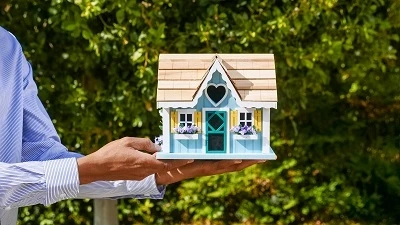
In recent years, the idea of living simply has evolved into a full-fledged movement. As more people seek sustainable, cost-effective, and minimalist lifestyles, the demand for compact, efficient housing solutions has surged. Enter the tiny home kit—a practical and accessible option for those looking to build their dream space with minimal hassle and maximum customization.
Whether you're an eco-conscious retiree, a young professional, or a travel-loving couple, a tiny home kit can provide everything you need to create a beautiful and functional living space, without the traditional cost of homeownership. These kits come pre-designed and pre-packaged, ready for assembly, and often tailored to various budgets, skill levels, and aesthetic preferences.
Why Choose a Tiny Home Kit?
Tiny home kits are growing in popularity for several reasons:
- Affordability: Compared to conventional homes, tiny home kits are significantly more budget-friendly. They eliminate many of the costs associated with architecture, construction crews, and long timelines.
- Simplicity: These kits typically come with everything required to construct the basic structure—from walls and roofing to windows and sometimes even interior finishes. For DIY enthusiasts or those with basic handyman skills, this simplicity is appealing.
- Customization: Despite being pre-packaged, many kits offer customizable layouts and finishes. Want more windows? Need a loft sleeping area? Prefer eco-friendly insulation? You can tailor your kit to meet your lifestyle and needs.
- Sustainability: Smaller homes require fewer resources to build and maintain. They also promote energy efficiency, which can help reduce your carbon footprint.
Types of Tiny Home Kits Available
There’s a tiny home kit for almost every vision and budget. Some of the most common options include:
- Shell-Only Kits: These provide just the basic structure—frame, walls, and roof. You handle the rest, from plumbing to electrical work.
- Turnkey Kits: A more complete solution, these include interior finishes, flooring, fixtures, and sometimes even furnishings.
- Modular Kits: These kits are pre-built in sections (modules) that are delivered and assembled on-site. They often offer the fastest setup.
- Container-Based Kits: Using refurbished shipping containers, these kits offer durability and modern design with a strong industrial aesthetic.
- Expandable Kits: Great for growing families or evolving lifestyles, these allow additional rooms to be added later.
How to Choose the Right Kit for You
Choosing a tiny home kit isn't just about price—it’s about matching your lifestyle, location, and long-term goals. Consider the following:
- Your Experience Level: If you're new to construction, a turnkey or modular kit might be a better fit than a shell-only option.
- Your Land and Foundation: Some kits are best suited for permanent foundations, while others can sit on trailers or piers, depending on your needs and local codes.
- Utilities and Systems: Will you be off-grid or connected to local utilities? Some kits are prepped for solar panels, composting toilets, or rainwater harvesting.
- Budget: Basic kits start around $10,000, but more elaborate setups can range between $30,000 and $80,000 depending on materials and included features.
Navigating Tiny House Regulations
Before purchasing a tiny home kit, it’s crucial to understand tiny house regulations in your area. Zoning laws, building codes, and utility access requirements vary widely from state to state—and sometimes even between neighboring towns.
Some key points to research include:
- Minimum square footage requirements for residences
- Zoning laws: Are tiny homes permitted in residential areas?
- Foundation rules: Must your tiny home be on a permanent foundation?
- Inspections and permits: What inspections are required during or after construction?
- Utility access: Are you allowed to connect your tiny home to municipal water and electricity?
In many areas, tiny homes are still considered a legal gray area. Some municipalities welcome them as Accessory Dwelling Units (ADUs), while others have yet to update their housing codes to accommodate them.
Before you break ground—or start building—be sure to contact your local planning or zoning office to clarify your rights and responsibilities. Ignoring tiny house regulations could result in costly penalties or even the removal of your home.
Real-Life Benefits of Going Tiny
There’s a reason thousands of people across North America are downsizing into tiny homes. The benefits go beyond aesthetics and affordability:
- Financial Freedom: With lower building and maintenance costs, many homeowners eliminate mortgage debt entirely.
- Mobility: Some tiny homes can be placed on trailers, making it easier to travel or relocate.
- Reduced Clutter: Living in a smaller space naturally encourages mindfulness in consumption and ownership.
- Closer Connection to Nature: Many tiny home dwellers place their homes in rural or semi-rural settings, maximizing access to outdoor spaces.
- Community: Whether it's an intentional tiny home village or an online community of enthusiasts, this movement brings like-minded individuals together.
Tips Before You Buy a Tiny Home Kit
- Visit Model Homes: If possible, walk through models from the kit manufacturer to understand the space.
- Read the Fine Print: Make sure the kit includes everything you expect. Some “complete” kits may still require major purchases like windows or wiring.
- Check for Warranties: Reputable suppliers will often provide warranties on structural components.
- Understand Your Timeline: Some kits can be built in weeks, while others may take several months. Plan accordingly.
- Connect with Others: Online forums, social media groups, and tiny home expos can offer valuable insights and reviews from people who’ve already taken the plunge.
Final Thoughts
Whether you're building a backyard guest house, downsizing for retirement, or seeking a minimalist way of life, a tiny home kit can be your ticket to freedom, simplicity, and sustainability. But don’t forget: while the excitement of designing your space is real, understanding and complying with tiny house regulations is essential to ensure a smooth and legal building process.
Take the time to research your options, talk to local authorities, and find the kit that aligns with your goals. With a bit of planning and creativity, your tiny home dream can become a comfortable, stylish, and functional reality—without the stress of traditional homeownership.