



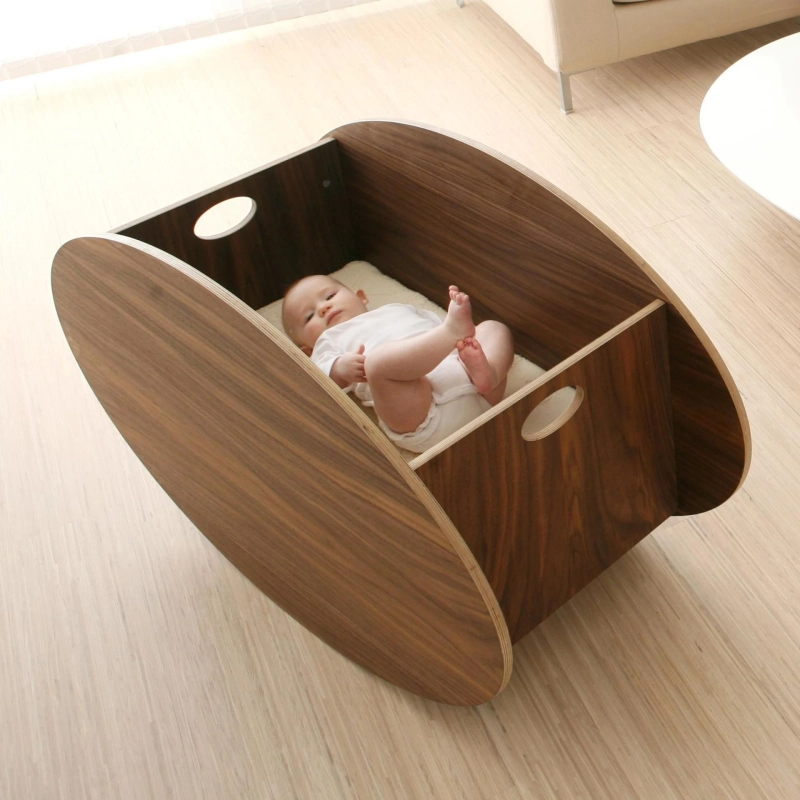
The Baby Bassinets Market has witnessed significant evolution in recent years, driven by growing awareness among parents regarding infant safety, increasing disposable income, and the rising popularity of compact, multifunctional baby furniture. As new parents prioritize sleep solutions that offer both comfort and safety, the demand for high-quality, certified bassinets continues to rise across developed and developing economies alike. With birth rates stabilizing in several countries and surging in others, the market is set to grow steadily, propelled by innovations in design, materials, and smart functionalities.
Shifting Consumer Trends Fueling Demand
Today’s parents are increasingly informed and cautious, seeking baby products that meet stringent health, safety, and sustainability standards. Consequently, the demand for non-toxic, eco-friendly bassinets made with organic fabrics and chemical-free materials is growing. There is also a visible preference for bassinets that are portable, easy to assemble, and adaptable to small living spaces—a trend particularly prominent in urban regions.
Moreover, consumer interest in rental baby furniture and subscription models is rising. These models appeal to sustainability-conscious parents who prefer not to invest in short-term use products. This shift aligns well with the growing circular economy trend, encouraging manufacturers to offer durable, washable, and modular designs.
Safety Regulations and Certifications: A Key Growth Driver
Government regulations and certifications play a crucial role in shaping the baby bassinets market. Organizations such as the Consumer Product Safety Commission (CPSC) in the U.S. and similar regulatory bodies worldwide have implemented strict guidelines regarding product safety. Compliance with these safety standards not only enhances consumer trust but also gives brands a competitive edge.
Companies that proactively align with evolving regulatory norms are more likely to gain market share. In addition, certifications such as ASTM (American Society for Testing and Materials) or JPMA (Juvenile Products Manufacturers Association) serve as quality benchmarks for safety-conscious parents.
Technological Integration: The Rise of Smart Bassinets
Smart bassinets are redefining the landscape of infant care. Equipped with features such as automatic rocking, white noise generation, heart rate monitoring, and sleep tracking, these products are transforming the way parents monitor and comfort their babies. AI-powered bassinets that respond to a baby’s cry by initiating soothing motions or sounds are gaining traction in premium market segments.
Although smart bassinets currently represent a smaller portion of the overall market due to their higher price points, their popularity is expected to increase with greater affordability and technological penetration. Companies focusing on user-friendly apps, Wi-Fi integration, and real-time data analytics are at the forefront of this transformation.
Regional Insights: Growth Across Developed and Emerging Markets
North America continues to dominate the baby bassinets market due to high product awareness, technological adoption, and strict regulatory oversight. The presence of leading brands and high per capita income also contribute to consistent market performance in the region.
Meanwhile, Asia-Pacific is emerging as the fastest-growing market, driven by a combination of high birth rates, rising middle-class income, and urbanization. Countries like China, India, and Indonesia offer substantial opportunities for manufacturers seeking to expand their footprint. Local players in these markets are introducing cost-effective and culturally tailored solutions to meet regional preferences.
Europe also presents a robust market, particularly in countries like Germany, France, and the UK, where there is growing demand for sustainable and minimalist baby furniture. Consumers in this region are increasingly drawn to European-made products with eco-certifications and a focus on craftsmanship.
Competitive Landscape and Strategic Developments
The baby bassinets market is moderately fragmented, with a mix of global players, regional brands, and niche manufacturers. Key players include companies like Graco, HALO Innovations, Chicco, Fisher-Price, and BabyBjörn, among others. These brands continue to invest in R&D to enhance product safety, design aesthetics, and ease of use.
Strategic partnerships, product launches, and online retail channel expansion are key focus areas for market participants. Collaborations with healthcare providers, parenting communities, and influencers are also gaining importance as brands aim to strengthen their credibility and visibility.
Additionally, e-commerce platforms have become a major sales channel, especially post-pandemic, with parents preferring the convenience of online shopping and detailed product comparisons. Offering virtual demos and immersive shopping experiences is helping companies increase customer engagement.
Future Outlook: Sustainability, Customization, and Innovation
Looking ahead, the baby bassinets market is expected to witness sustained growth with an emphasis on three major pillars: sustainability, customization, and smart innovation. Products that are modular, easy to recycle, and made from biodegradable materials will likely gain popularity.
Customization options, such as adjustable height settings, color variants, and multifunctionality (e.g., bassinet-to-crib convertibility), will appeal to millennial and Gen Z parents. In parallel, ongoing R&D in IoT and AI will unlock more intuitive and connected bassinets, adding further value to modern parenting.
In conclusion, the baby bassinets market is evolving rapidly in response to changing consumer expectations, technological advancements, and regulatory frameworks. Brands that anticipate these shifts and deliver quality, safety, and innovation will be best positioned to thrive in this competitive and emotionally-driven segment.