


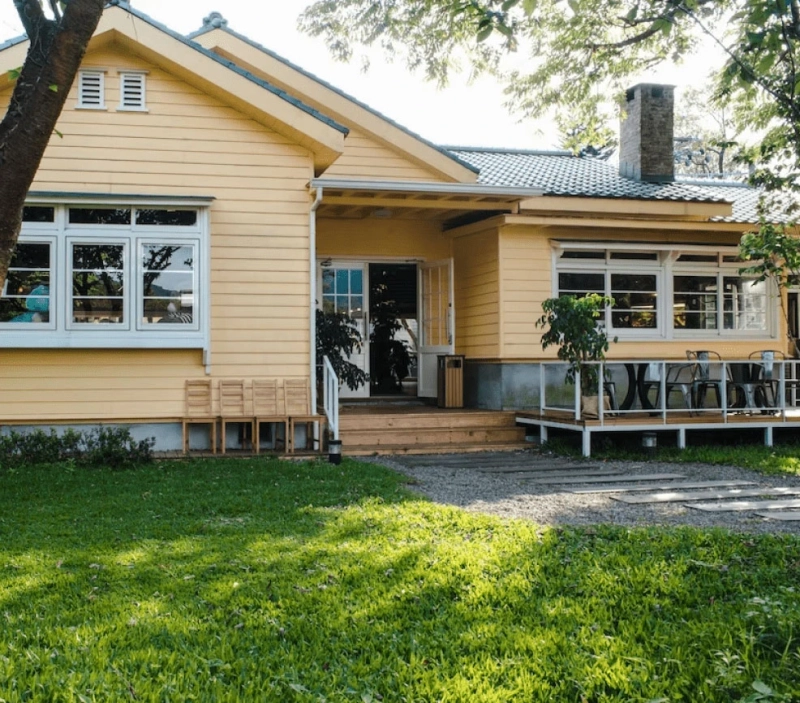
Interior and exterior painting is more than a visual upgrade. It plays a critical role in protecting a home, improving comfort, and extending the life of surfaces. The right paint choices, proper timing, and correct finishes can prevent long-term damage and reduce maintenance costs. When painting decisions are made thoughtfully, the results go beyond appearance and support durability, efficiency, and healthier living spaces.
How Exterior Painting Protects a Home
Exterior paint acts as a protective barrier between the home and the elements. Sun exposure, rain, humidity, and temperature changes all take a toll on exterior surfaces over time. Without proper protection, materials such as wood, siding, and masonry can deteriorate faster than expected. A quality paint job seals surfaces and helps prevent moisture intrusion, which is one of the leading causes of structural damage.
Paint also shields the exterior from ultraviolet exposure that can cause fading, cracking, and surface breakdown. Over time, this protection helps maintain the integrity of the home’s exterior and reduces the need for costly repairs. A well-maintained exterior also contributes to a strong first impression and overall property value.
Key protective benefits of exterior painting include:
- Moisture resistance that helps prevent rot and mold
- Protection from sun damage and surface fading
- Added durability for siding and trim
- Extended lifespan of exterior materials
Best Paint Types for Exterior Surfaces
Choosing the right paint type for exterior surfaces is essential for performance and longevity. Exterior paints are specifically formulated to withstand harsh conditions and provide flexibility as materials expand and contract. Selecting the wrong paint can lead to peeling, cracking, or premature fading.
Acrylic latex paints are commonly used for exteriors due to their durability and resistance to weathering. They adhere well to various surfaces and allow moisture to escape without compromising protection. Oil-based paints are sometimes used for specific applications but require careful handling and longer drying times.
Common exterior paint options include:
- Acrylic latex for durability and flexibility
- Elastomeric coatings for added crack resistance
- Masonry paints designed for brick and concrete
- Specialty primers for wood, metal, or stucco surfaces
When Is the Best Time to Paint a House Exterior
Timing plays a major role in the success of an exterior paint project. Painting during unfavorable conditions can affect adhesion, drying, and overall finish quality. Ideal conditions allow paint to cure properly and deliver long-lasting results.
Moderate temperatures and low humidity are generally best for exterior painting. Extreme heat can cause paint to dry too quickly, while cold or damp conditions can prevent proper curing. Planning ahead and monitoring weather patterns helps ensure the project stays on schedule and performs as expected.
Factors to consider when planning exterior painting include:
- Temperature range recommended by the paint manufacturer
- Humidity levels during application and drying
- Rain forecasts and moisture exposure
- Surface preparation time and drying windows
How Long Exterior Paint Lasts
The lifespan of exterior paint depends on several factors, including paint quality, surface preparation, climate exposure, and maintenance practices. A professionally applied paint job using quality materials typically lasts many years before showing signs of wear.
Areas exposed to direct sunlight or heavy moisture may require more frequent repainting. Proper preparation such as cleaning, sanding, and priming significantly extends paint life. Regular inspections help identify early signs of deterioration before major issues develop.
Factors that affect exterior paint longevity include:
- Quality of paint and primer used
- Surface condition before painting
- Environmental exposure and weather patterns
- Ongoing maintenance and inspections
Common Exterior Painting Problems and Solutions
Even well-planned projects can encounter challenges if issues are not addressed early. Common exterior painting problems often stem from poor preparation or unsuitable materials. Recognizing these issues helps prevent repeat problems during future projects.
Peeling paint often indicates moisture issues or inadequate surface preparation. Blistering can result from painting in direct heat or trapping moisture beneath the surface. Fading usually points to low-quality paint or prolonged sun exposure. Addressing the root cause is essential for long-term success.
Common problems and practical solutions include:
- Peeling paint resolved by proper cleaning and priming
- Blistering prevented by correct timing and ventilation
- Fading reduced by using UV-resistant paints
- Cracking minimized with flexible paint formulations
Difference Between Matte, Satin, and Gloss Finishes
Paint finish affects both appearance and performance. Each finish offers unique characteristics that suit different spaces and purposes. Understanding these differences helps homeowners choose finishes that balance style and practicality.
Matte finishes provide a soft, non-reflective look that helps hide surface imperfections. Satin finishes offer a subtle sheen and improved durability, making them suitable for high-use areas. Gloss finishes are highly reflective and durable but highlight surface flaws if preparation is not precise.
Key characteristics of common finishes include:
- Matte for low glare and subtle appearance
- Satin for balance between durability and aesthetics
- Gloss for easy cleaning and high durability
- Semi-gloss for trim and accent areas
How to Choose the Right Paint Finish for Each Room
Selecting the right finish for each room depends on function, traffic, and maintenance needs. High-traffic areas benefit from finishes that are easy to clean, while low-use spaces allow for softer finishes.
Kitchens and bathrooms often require moisture-resistant finishes, while living areas prioritize appearance. Bedrooms typically benefit from calming finishes that reduce glare. Matching finish choice to room use improves longevity and overall satisfaction.
Room-based finish recommendations include:
- Satin or semi-gloss for kitchens and bathrooms
- Matte or eggshell for bedrooms and ceilings
- Semi-gloss or gloss for trim and doors
- Durable finishes for hallways and entryways
Eco-Friendly Paint Options Explained
Eco-friendly paints are designed to reduce environmental impact and improve indoor air quality. These paints contain fewer harmful chemicals and release lower levels of emissions during and after application. They are increasingly popular among homeowners seeking healthier living environments.
Low-emission paints reduce odors and contribute to better indoor comfort during and after painting. Many eco-friendly options now offer the same durability and color selection as traditional paints, making them a practical choice for both interiors and exteriors.
Benefits of eco-friendly paint options include:
- Reduced impact on indoor air quality
- Lower chemical emissions
- Improved comfort during application
- Safer choice for families and pets
Final Thoughts
Interior and exterior painting is a strategic investment that protects a home, enhances appearance, and supports long-term durability. From selecting the right paint types and finishes to choosing the best timing and eco-friendly options, every decision plays a role in the final outcome.
When painting projects are approached with careful planning and informed choices, they deliver results that last for years. A well-executed paint job improves not only how a home looks but also how it performs and feels on a daily basis.