


When it comes to efficient bulk material handling and packaging operations, investing in the right jumbo bag bagging machine can transform your production line's productivity and profitability. These sophisticated filling systems have become indispensable in industries ranging from agriculture and chemicals to construction materials and food processing, where precise, high-volume packaging is critical to operational success.
Understanding Jumbo Bag Filling Technology
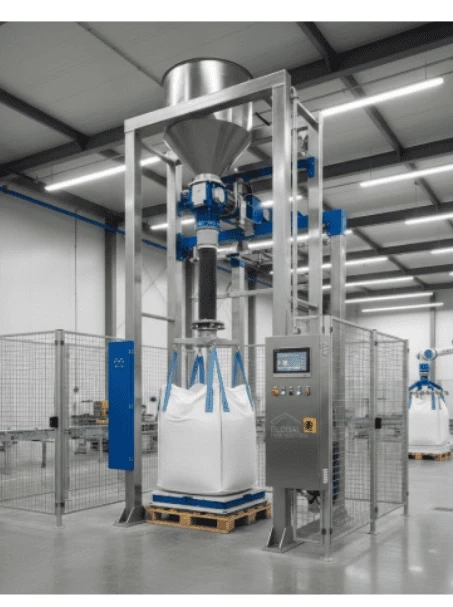
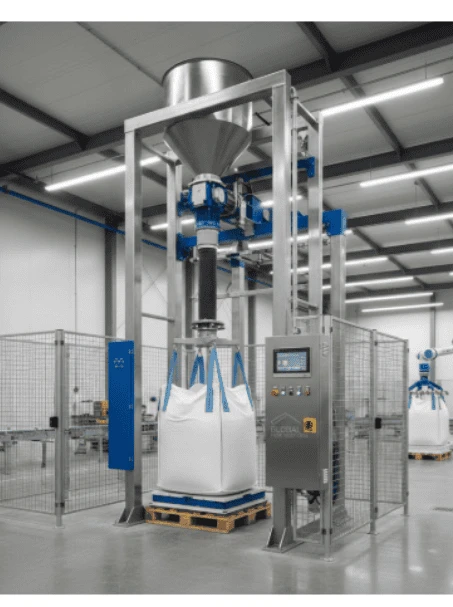
A jumbo bag bagging machine, also known as a bulk bag filler or FIBC (Flexible Intermediate Bulk Container) filling station, represents advanced packaging automation designed to handle large-volume materials with precision and efficiency. These industrial-grade systems fill bulk bags—typically ranging from 500 kg to 2000 kg capacity—with various materials including powders, granules, pellets, and other free-flowing or non-free-flowing products.
Modern filling equipment incorporates multiple technologies to ensure accurate weight control, dust containment, and safe operation. The integration of load cells, programmable logic controllers (PLC), and sophisticated material handling mechanisms enables manufacturers to achieve consistent fill weights while minimizing product waste and operator exposure to potentially hazardous materials.
Key Components of Industrial Bag Filling Systems
The anatomy of a professional-grade bag packing machine includes several critical components working in harmony. The frame structure provides rigid support, typically constructed from stainless steel or carbon steel depending on the application requirements and environmental conditions. Weighing platforms equipped with high-precision load cells ensure accurate measurement throughout the filling cycle.
Material inlet systems connect to upstream equipment such as conveyors, bucket elevators, or pneumatic transfer lines, directing product flow into the suspended bulk bag. Inflation systems prepare bags for filling by introducing air to fully expand the container before material discharge begins. Densification or vibration mechanisms help settle product within the bag, maximizing capacity and ensuring consistent bulk density.
Safety features including bag loops securing devices, operator platforms with guardrails, and emergency stop mechanisms protect personnel during operation. Dust collection ports connected to filtration systems maintain clean working environments, particularly crucial when handling fine powders or materials that generate airborne particles during the packaging process.
Types of Bulk Bag Filling Machines
Gravity-Fed Filling Systems
Gravity-fed bagging equipment represents the most straightforward filling methodology, utilizing natural material flow from elevated hoppers or silos. These systems work exceptionally well with free-flowing materials such as plastic pellets, grains, or granular fertilizers. The simplicity of gravity-fed designs translates to lower maintenance requirements and reduced initial investment costs.
However, gravity systems may struggle with materials prone to bridging, ratholing, or inconsistent flow characteristics. Material discharge rates depend entirely on product flowability and hopper design, which can limit production speeds compared to more aggressive filling technologies.
Pneumatic Conveying Fillers
Pneumatic filling stations employ compressed air to transport material from storage locations to the bag filling station. This approach excels when handling materials across distances or when multiple filling points require service from centralized storage. Pneumatic conveying systems offer excellent flexibility in plant layout and can handle various material types with appropriate system design.
Dense phase and dilute phase conveying options provide different benefits depending on material characteristics. Dense phase systems operate at lower velocities, reducing product degradation and wear on system components—ideal for fragile materials or abrasive products. Dilute phase conveying moves materials at higher speeds, offering greater throughput for durable products.
Auger-Based Filling Equipment
Auger or screw-fed bag filling machines utilize rotating helical screws to meter material into bulk bags with exceptional precision. This filling method provides excellent control over discharge rates, making auger systems particularly effective for materials requiring accurate dosing or products with challenging flow properties.
The mechanical nature of auger feeding allows these systems to handle materials that would prove difficult for gravity or pneumatic methods, including sticky, cohesive, or hygroscopic products. Variable speed drives enable operators to adjust filling rates to match downstream production requirements or accommodate different material characteristics.
Valve Bag Packers and Open Mouth Fillers
While jumbo bag systems handle bulk containers, many operations also require valve bag packers for smaller packaging formats. Valve baggers fill pre-made bags through integrated valves, providing dust-tight filling of products ranging from 10 kg to 50 kg per bag. These machines often complement bulk bag operations, offering packaging flexibility for different customer requirements or market segments.
Open mouth bagging machines provide another packaging option, particularly suited for products where bag presentation matters or when using specialized bag materials. These systems position open-topped bags beneath filling spouts, allowing visual verification of product quality during the filling operation.
Advanced Features in Modern Bag Packaging Equipment
Weighing and Batching Accuracy
Contemporary bag weighing and filling machines incorporate multi-stage filling algorithms to achieve exceptional weight accuracy. Gross weighing systems suspend the entire bag from load cells, measuring accumulated weight as filling progresses. This methodology enables real-time weight monitoring and precise cut-off control.
Net weighing configurations place the material supply hopper on weighing platforms, calculating bag fill by the weight decrease in the hopper. This approach offers advantages when filling multiple bags in rapid succession, as the next batch can be prepared while the current bag completes its filling cycle.
Loss-in-weight systems provide continuous weighing throughout production runs, automatically compensating for material density variations or environmental factors affecting measurement accuracy. Sophisticated PLC programming manages multi-speed filling sequences—fast feed rates for initial filling transitioning to trickle feed speeds as target weight approaches, ensuring consistent results typically within ±0.1% to ±0.5% of target weight.
Dust Control and Environmental Protection
Effective dust suppression systems protect worker health, maintain product quality, and ensure regulatory compliance. Bag filling operations inherently create dust generation opportunities during material discharge and bag handling. Modern packaging machinery addresses these challenges through integrated dust collection points, inflatable bag spout seals, and contained filling environments.
HEPA filtration systems capture fine particulates before air discharge to the atmosphere, achieving filtration efficiencies exceeding 99.97% for particles down to 0.3 microns. Dust collector fans maintain negative pressure within filling stations, preventing fugitive emissions from escaping into the working environment.
For particularly dusty or toxic materials, fully enclosed filling systems create isolated environments where material transfer occurs within sealed chambers. Operators control these systems remotely, eliminating direct exposure while maintaining full production capability.
Automation and Integration Capabilities
Smart bagging machines integrate seamlessly with enterprise manufacturing execution systems (MES) and warehouse management systems (WMS), providing real-time production data and inventory tracking. Ethernet connectivity, OPC protocols, and IoT capabilities enable remote monitoring, predictive maintenance scheduling, and performance optimization based on historical data analysis.
Automated bag handling systems further enhance productivity by mechanizing bag placement, removal, and palletizing operations. Robotic bag placers position empty bags onto filling spouts without manual intervention, while automatic bag removal conveyors transport filled bags to downstream sealing, labeling, or palletizing stations.
Barcode scanners and RFID readers track individual bags throughout the production process, ensuring complete traceability from raw material receipt through finished goods shipment. This data capture supports quality management systems and enables rapid response to customer inquiries or recall situations.
Material Handling Considerations for Optimal Performance
Free-Flowing vs. Non-Free-Flowing Materials
Material flow characteristics fundamentally influence filling machine selection and configuration. Free-flowing products such as plastic resin pellets, whole grains, or granular chemicals discharge readily from hoppers and achieve consistent fill rates with basic gravity-fed systems. These materials exhibit minimal cohesion between particles, flowing smoothly without assistance.
Non-free-flowing or cohesive materials including fine powders, hydroscopic products, or fibrous materials require active material conditioning to achieve reliable discharge. Flow promotion devices such as vibrators, air pads, or mechanical agitators prevent bridging and ratholing within supply hoppers. Fluidization systems introduce low-pressure air into powder beds, reducing interparticle friction and improving flow characteristics.
Product Degradation and Gentle Handling
Fragile materials susceptible to breakage, attrition, or particle size degradation demand gentle handling throughout the filling process. Excessive drop heights, high-velocity conveying, or aggressive vibration can compromise product quality, generating fines that create downstream processing problems or reduce product value.
Low drop filling techniques position bag spouts close to accumulating material within the bag, minimizing particle impact forces. Spiral tube systems guide product along helical pathways, dissipating energy gradually rather than through sudden impacts. These approaches preserve product integrity while maintaining adequate production rates.
Hygiene and Sanitary Design
Food-grade applications and pharmaceutical packaging require specialized sanitary design principles to prevent contamination and facilitate thorough cleaning. Stainless steel construction with smooth, crevice-free surfaces eliminates bacterial harborage points. Tool-free disassembly enables rapid changeovers and comprehensive cleaning between production runs.
Washdown-rated electrical components resist moisture ingress during cleaning operations, while elevated designs prevent standing water accumulation. Compliance with USDA, FDA, and GMP requirements ensures suitability for regulated industries where product purity is paramount.
Industry Applications and Use Cases
Agricultural and Feed Industry
Agricultural producers utilize bulk bag filling systems for packaging seed, grain, fertilizers, and animal feed products. The ability to efficiently fill large quantities while maintaining precise weights supports both domestic distribution and export operations. Weather-resistant bag materials protect products during storage and transportation across diverse climatic conditions.
Seed producers particularly value accurate weighing capabilities, as premium seed varieties represent significant investment. Gentle handling preserves germination rates, while dust control prevents cross-contamination between genetic lines or treatment applications.
Chemical and Petrochemical Sectors
Chemical manufacturers package everything from commodity chemicals to specialty compounds using jumbo bag equipment. Explosion-proof designs accommodate flammable materials, while chemical-resistant construction withstands corrosive product contact. Containment systems protect operators from toxic exposure during filling operations.
The ability to handle diverse product portfolios with minimal changeover time enables chemical packagers to serve varied customer requirements efficiently. Quick-release bag connections and programmable recipe management support multi-product operations within single facilities.
Construction Materials and Minerals
Building material suppliers package cement, gypsum, sand, aggregates, and specialty mortars in bulk bags for construction site delivery. The rugged nature of these materials demands durable filling equipment capable of withstanding abrasive product characteristics and demanding production schedules.
High-capacity filling systems process multiple bags per hour, supporting ready-mix concrete plants, masonry suppliers, and specialty construction material manufacturers. Moisture-resistant packaging preserves product quality despite outdoor storage conditions common in construction applications.
Food Processing and Ingredients
Food manufacturers package ingredients including sugar, flour, starches, powdered milk, and specialty ingredients using sanitary filling equipment. Traceability requirements drive integration with lot tracking systems, ensuring complete documentation of production parameters for each filled bag.
Temperature-controlled filling environments maintain product specifications for heat-sensitive materials, while modified atmosphere systems extend shelf life by replacing oxygen with inert gases before bag sealing. These capabilities support premium ingredient suppliers serving demanding food processing customers.
Recycling and Waste Management
Recycling operations package recovered materials including plastic flakes, metal fragments, and processed waste streams in bulk bags for transport to reprocessing facilities. Filling equipment adapted for recycling applications tolerates irregular particle sizes and contamination levels typical of recovered materials.
The flexibility to handle varying material characteristics without extensive adjustment supports the dynamic nature of recycling operations, where feedstock properties fluctuate based on collection stream composition.
Selecting the Right Bulk Bag Filler for Your Operation
Capacity and Throughput Requirements
Production volume requirements establish baseline equipment specifications. Operations filling occasional bags benefit from manual or semi-automatic systems, while high-volume production demands fully automatic filling lines capable of processing 20, 50, or even 100 bags per hour.
Consider not only current production needs but also anticipated growth. Modular equipment designs allow capacity expansion through additional filling stations or productivity enhancements to existing systems without complete equipment replacement.
Material Characteristics Assessment
Comprehensive material testing informs appropriate equipment selection. Particle size distribution, bulk density, angle of repose, and flow properties all influence filling system design. Moisture content, temperature sensitivity, and chemical reactivity further constrain suitable materials of construction and filling methodologies.
Manufacturer application engineering teams often conduct material testing, developing filling parameters optimized for specific products. This collaborative approach ensures equipment performance meets expectations before capital investment occurs.
Available Floor Space and Layout
Physical plant constraints affect equipment configuration options. Ceiling height limitations may preclude tall frame designs, necessitating compact models or modified support structures. Floor loading capacity influences materials of construction and base frame design, particularly for heavy-duty applications.
Integration with existing material handling infrastructure requires careful consideration of conveyor heights, building columns, and access requirements for maintenance and bag handling. Three-dimensional layout modeling helps identify potential conflicts before installation begins.
Budget and Return on Investment
Equipment cost represents only one component of total ownership expenses. Energy consumption, maintenance requirements, spare parts availability, and operator training all contribute to lifecycle costs. More sophisticated automation commands higher initial investment but often delivers superior long-term value through reduced labor requirements and improved consistency.
Calculate payback periods considering both hard cost savings from labor reduction and efficiency gains, plus soft benefits including improved worker safety, enhanced product quality, and increased customer satisfaction from consistent packaging quality.
Installation, Commissioning, and Operator Training
Proper installation establishes the foundation for reliable long-term performance. Leveling ensures accurate weighing, while proper electrical connections prevent nuisance faults. Pneumatic systems require appropriate air supply pressure, volume, and quality to function correctly.
Commissioning procedures verify all systems operate according to specification before production begins. Weighing accuracy confirmation across the full operating range ensures compliance with trade regulations and customer requirements. Safety system testing confirms protective devices function properly, preventing equipment operation under unsafe conditions.
Comprehensive operator training develops skills necessary for efficient equipment operation, routine maintenance, and basic troubleshooting. Well-trained operators maximize equipment utilization while minimizing downtime from preventable errors or neglected maintenance tasks.
Maintenance Best Practices for Extended Equipment Life
Preventive maintenance programs extend equipment lifespan while maintaining optimal performance. Daily inspections identify developing issues before they cause unplanned downtime. Lubrication schedules prevent premature wear of mechanical components, while periodic calibration maintains weighing accuracy.
Wear part replacement at recommended intervals prevents secondary damage to expensive primary components. Keeping critical spare parts in inventory minimizes downtime when failures occur, particularly for custom components requiring extended lead times for procurement.
Documentation of maintenance activities creates historical records useful for troubleshooting recurring problems and optimizing maintenance intervals based on actual operating conditions rather than generic manufacturer recommendations.
Conclusion
Implementing the right jumbo bag bagging machine transforms bulk packaging operations from labor-intensive manual processes to efficient automated systems that enhance productivity, improve product quality, and ensure worker safety. Whether you're packaging agricultural products, industrial chemicals, food ingredients, or construction materials, modern bag filling technology delivers the precision, reliability, and flexibility necessary to meet demanding production requirements.
The breadth of available filling equipment—from basic gravity-fed systems to sophisticated fully automated filling lines—ensures solutions exist for operations of all sizes and complexity levels. By carefully evaluating your specific material characteristics, production volume requirements, and operational constraints, you can select packaging machinery that delivers optimal performance and return on investment.
As you explore bulk bag filling solutions for your facility, partner with experienced equipment manufacturers who understand your industry's unique challenges and can provide comprehensive support from initial equipment selection through installation, training, and ongoing technical assistance. The right combination of proven technology and knowledgeable support ensures your packaging operation achieves maximum efficiency and reliability for years to come.
Invest in quality bag packing equipment today, and position your operation for sustainable growth through superior packaging efficiency, consistent product quality, and the flexibility to adapt to evolving market demands. Your packaging line represents a critical link between production and customer satisfaction—make it count with industrial-grade filling systems designed for excellence.