


Supporting children in need is one of the most meaningful ways individuals and communities can contribute to global well-being. When people choose to donate for child, they are not only offering financial help but also investing in education, health, safety, and long-term development. In Canada, many structured and transparent organizations work toward improving children’s lives both locally and internationally. Understanding how these efforts function helps donors make informed and responsible decisions.
Why Child-Focused Giving Matters
Among the most vulnerable people in society are children. Their entire future may be impacted by limited access to safety, nourishment, healthcare, and education. Donating to child welfare initiatives closes these gaps by offering organised assistance through knowledgeable organisations.
Child-focused initiatives often address root causes of poverty rather than offering short-term relief. This approach allows communities to grow stronger while ensuring children have opportunities to thrive in safe environments.
The Role of Community-Based Support
Most child welfare programs work within communities rather than replacing family structures. By supporting families, schools, and local leaders, organizations ensure children receive care that aligns with their cultural and social context. This community-driven approach increases accountability and sustainability.
How Canadian NGOs Deliver Child Support Programs
A Canadian NGO typically operates under strict governance and transparency standards. These organizations collaborate with local partners to ensure that donations reach children effectively. Programs often include education support, healthcare access, nutrition assistance, and child protection initiatives.
When donors donate for child programs through a Canadian NGO, they benefit from clearly defined project goals and measurable outcomes. This structure ensures that contributions are used responsibly and ethically.
Education and Skill Development
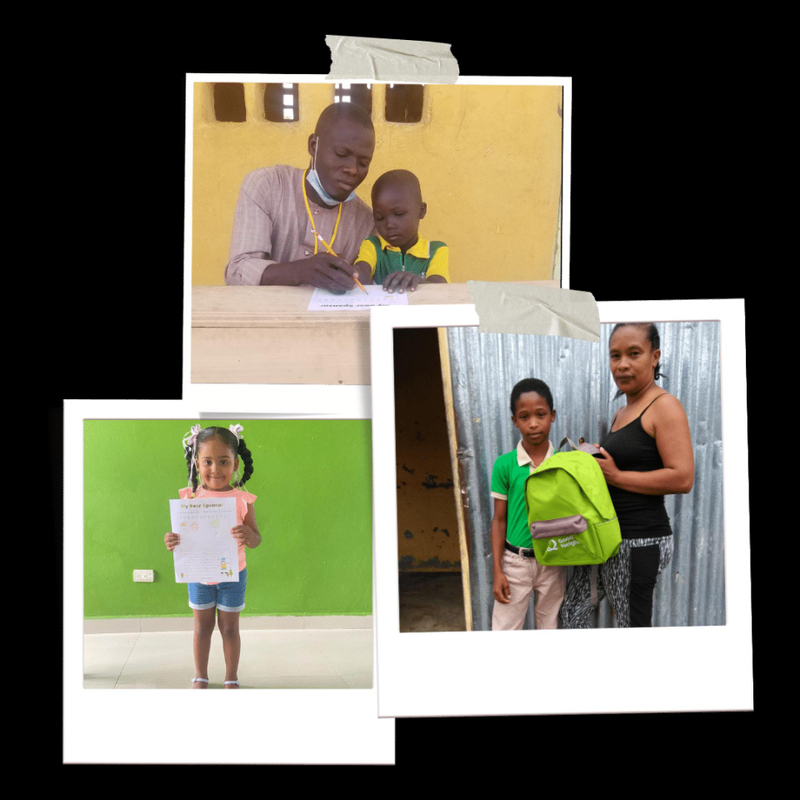
Education remains a cornerstone of most child-focused programs. Support may include school supplies, access to quality learning environments, and teacher training. Long-term educational support empowers children to become self-reliant adults who can contribute positively to their communities.
Health, Nutrition, and Safety
Child health programs often focus on preventive care, clean water access, and nutrition education. These efforts reduce illness and improve overall development. Protection initiatives also work to safeguard children from exploitation and unsafe conditions.
Charity Organizations in Canada and Their Accountability
There are many charity organizations in Canada dedicated to child development and humanitarian assistance. These organizations are expected to follow ethical fundraising practices, provide regular reports, and comply with national regulations.
Annual reports, financial accounts, and program updates are available to donors who support kid concerns through respectable organisations. This openness promotes responsible giving and aids in the development of trust.
Importance of Registration and Compliance
Collaborating with Canadian charities that are registered guarantees that donations are handled in accordance with government regulations. An organization's registration shows that it complies with the operational and legal requirements established by regulatory bodies. Additionally, this status gives contributors the assurance that their contributions are tracked and audited.
Making Informed Donation Decisions
Before choosing to donate for child support initiatives, donors should evaluate an organization’s mission, impact, and reporting practices. Reviewing program descriptions and understanding how funds are allocated helps align donations with personal values.
Evaluating Long-Term Impact
Sustainable programs focus on long-term change rather than short-term assistance. Effective organizations measure progress through education outcomes, health improvements, and community participation. This data-driven approach ensures donations lead to meaningful results.
Ethical and Responsible Giving
Ethical child support programs prioritize dignity, consent, and community involvement. Responsible organizations avoid dependency and instead promote resilience and self-sufficiency among families and children.
The Broader Impact of Child-Focused Donations
When individuals donate for child initiatives, the impact often extends beyond one child. Families benefit from improved stability, communities gain access to resources, and future generations experience better opportunities. This ripple effect highlights why child-centered giving is a powerful tool for social progress.
Strengthening Global and Local Communities
Canadian NGOs play a vital role in connecting donors with meaningful causes. Their experience and governance structures allow them to operate across borders while maintaining high standards of transparency.
Conclusion
Donating to child programs is a considerate way to help create a more just world. Donors can assist long-term development programs in education, health, and protection through reputable Canadian charitable organisations. People can make sure their donations are utilised ethically and responsibly by working with a Canadian NGO that is one of Canada's registered charities. Giving with knowledge not only improves people's lives but also fortifies communities for future generations.