



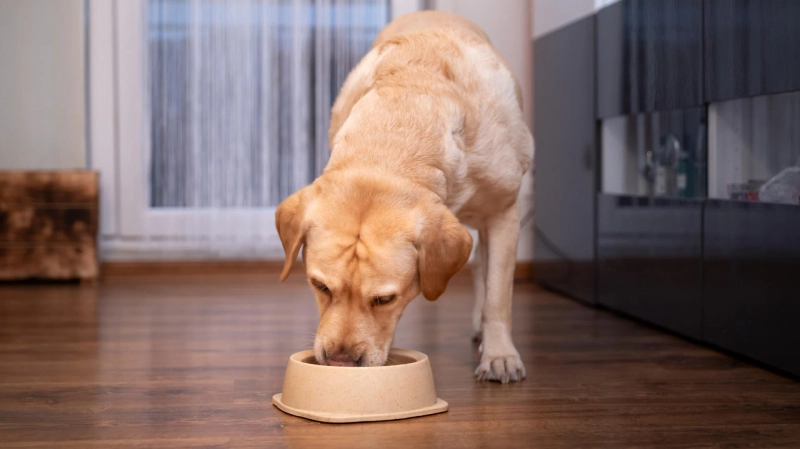
Chicken is a common protein in dog food, but some dogs are allergic to it. Feeding a dog with a chicken allergy the wrong food can lead to itching, skin problems, vomiting, or chronic diarrhea. Choosing the right dog food for dogs allergic to chicken is essential to maintain health, comfort, and overall wellbeing.
Understanding Chicken Allergies in Dogs
A chicken allergy occurs when your dog’s immune system reacts to proteins found in chicken. Symptoms can vary but often include:
- Skin irritation, itching, or hot spots
- Recurrent ear infections
- Vomiting or chronic diarrhea
- Poor coat quality and hair loss
Unlike food intolerances, a true allergy triggers an immune response. Persistent symptoms require veterinary consultation for proper diagnosis.
Causes of Chicken Allergies
Several factors can lead to a chicken allergy:
- Repeated exposure: Dogs fed chicken-based diets over time can develop sensitivities.
- Cross-reactivity: Some dogs allergic to one poultry protein may react to others.
- Genetic predisposition: Certain breeds are more prone to food allergies.
Identifying the source of the allergy often involves an elimination diet, supervised by a veterinarian.
Choosing the Right Dog Food
When selecting dog food for dogs allergic to chicken, consider these guidelines:
1. Novel Proteins
- Use proteins your dog hasn’t eaten before, such as duck, rabbit, venison, or fish.
- Novel protein diets are less likely to trigger allergic reactions.
2. Hydrolyzed Protein Diets
- Proteins are broken down into smaller pieces that the immune system does not recognize.
- These diets are effective for dogs with severe allergies.
3. Grain-Free or Limited Ingredient Diets
- Limit allergens like wheat, corn, or soy which may contribute to digestive or skin problems.
- Choose dog foods with a single animal protein for easier monitoring.
Homemade vs Commercial Diets
Commercial Dog Food
- Convenient and formulated to meet nutritional needs
- Many brands now offer chicken-free, hypoallergenic options
- Ensure the label shows no hidden poultry by-products
Homemade Diet
- Allows control over ingredients
- Include high-quality protein, healthy fats, vegetables, and supplements
- Must be balanced to prevent nutrient deficiencies; consult your vet
Foods to Avoid
Dogs allergic to chicken must avoid:
- Chicken meat, by-products, or flavorings
- Foods labeled as “poultry” unless verified
- Human foods containing chicken or chicken broth
- Treats with hidden chicken proteins
Always read labels carefully to prevent accidental exposure.
Supplements for Dogs With Allergies
Some dogs benefit from additional support:
- Omega-3 fatty acids for skin and coat health
- Probiotics to support gut health
- Vitamins and minerals if on a homemade diet
Consult your veterinarian before adding supplements to ensure proper dosage and balance.
Managing Allergies Effectively
- Introduce new food gradually: Mix with old food over 7–10 days
- Monitor symptoms: Track stool consistency, itching, and overall behavior
- Avoid cross-contamination: Use separate bowls, utensils, and storage for chicken-free food
- Follow vet guidance: If symptoms persist, your vet may recommend allergy testing or medication
When to See a Vet
Immediate veterinary consultation is necessary if your dog shows:
- Persistent vomiting or diarrhea
- Severe itching or skin infections
- Swelling of face, lips, or paws
- Lethargy or poor appetite
Early intervention prevents complications and ensures your dog receives the right nutrition safely.
Final Thoughts
Feeding your dog the right dog food for dogs allergic to chicken is crucial for their health and comfort. Focus on novel proteins, limited-ingredient diets, and veterinary guidance to manage allergies effectively. With the proper diet, your dog can thrive without the discomfort of allergic reactions. For trusted advice and top-quality nutrition guidance, rely on Focus Pet Care.