


Acne scars can significantly impact an individual's confidence and overall skin appearance, prompting many to seek effective treatments to improve skin texture and smoothness. Among the various options available in the realm of regenerative and aesthetic medicine, PDRN treatment in Abu Dhabi has gained notable attention for its potential benefits in skin rejuvenation. PDRN, or Polydeoxyribonucleotide, is a biotechnological product derived from DNA that promotes tissue repair, regeneration, and healing. When applied to acne scars, PDRN’s regenerative properties can stimulate collagen production and enhance skin elasticity, which are critical factors in reducing the visibility of scars. As a minimally invasive procedure, PDRN injections or topical applications aim to restore skin health by encouraging natural healing processes, making it an appealing choice for those seeking effective acne scar treatment options.
Understanding Acne Scars and Their Impact on Skin
Acne scars are the permanent marks left on the skin after severe or untreated acne outbreaks. They often manifest as depressions, raised areas, or uneven skin textures, which can be challenging to conceal and may affect an individual's confidence. The formation of acne scars involves complex processes such as inflammation, collagen breakdown, and abnormal healing responses. Understanding the nature of these scars helps in appreciating how advanced treatments like PDRN can contribute to skin improvement by targeting the root causes of scarring and promoting healthy tissue regeneration.
The Science Behind PDRN and Its Role in Skin Rejuvenation
Polydeoxyribonucleotide (PDRN) works at the cellular level by providing nucleotides that stimulate the body's natural healing mechanisms. It interacts with cellular receptors to enhance angiogenesis, increase collagen synthesis, and accelerate tissue repair. This biological activity makes PDRN an effective agent for rejuvenating damaged skin, including areas affected by acne scars. Its ability to promote regeneration without causing significant discomfort or downtime has made it a popular choice among aesthetic practitioners and patients alike, especially for targeted scar treatment.
How PDRN Treatment Addresses Acne Scars
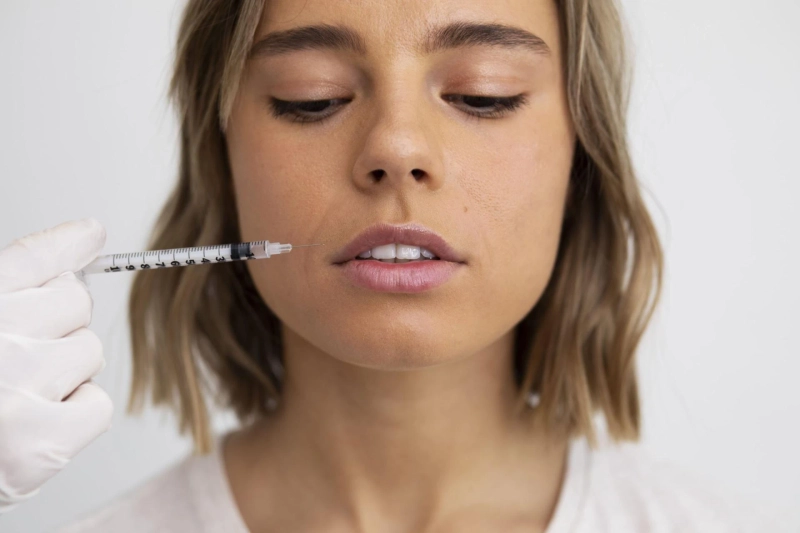
PDRN treatment involves injecting or applying the product directly into the scarred areas. The regenerative properties of PDRN encourage fibroblast activity, leading to increased collagen and elastin production, which are essential for restoring skin's smoothness and resilience. Over successive sessions, patients may notice a reduction in the depth and appearance of scars, along with an overall improvement in skin tone and texture. The treatment is particularly suitable for shallow to moderate scars and can be combined with other procedures for enhanced results.
Benefits of PDRN Treatment for Acne Scars
One of the key advantages of PDRN therapy is its ability to promote natural skin healing, making scars less noticeable over time. It also offers benefits such as minimal invasiveness, reduced risk of adverse reactions, and compatibility with various skin types. Additionally, PDRN can improve skin hydration, firmness, and elasticity, contributing to a more youthful appearance. Its ability to stimulate tissue regeneration without extensive downtime makes it an attractive option for individuals seeking effective acne scar management.
The Procedure: What to Expect During PDRN Treatment
The treatment process typically involves a consultation to assess the extent of scarring and determine suitability. During the procedure, the practitioner injects or applies PDRN into the targeted areas, often after numbing the skin to minimize discomfort. The number of sessions varies depending on scar severity and desired outcomes but generally ranges from a few to several treatments spaced over weeks. Patients can expect mild swelling or redness post-procedure, which usually subsides quickly. The minimally invasive nature of the treatment allows most individuals to resume daily activities promptly.
Post-Treatment Care and Expected Results
Post-procedure care involves following specific skincare routines, including avoiding excessive sun exposure and using recommended topical products to support healing. Consistency in follow-up treatments enhances results, helping to maximize collagen production and skin rejuvenation. While individual responses vary, many patients observe gradual improvements in skin texture and scar appearance over a few months. The regenerative effects of PDRN continue to develop even after the completion of treatment sessions, leading to more natural and sustained results.
Combining PDRN with Other Skin Rejuvenation Modalities
For more comprehensive scar improvement, PDRN can be combined with other aesthetic procedures such as microneedling, laser therapy, or chemical peels. These combinations can target different aspects of skin damage, providing synergistic benefits. For instance, laser treatments can address pigmentation issues, while PDRN enhances collagen rebuilding. Consulting with a qualified practitioner helps in devising a personalized treatment plan tailored to individual skin needs and scar characteristics.
Who Is an Ideal Candidate for PDRN Treatment?
Ideal candidates are individuals with shallow to moderate acne scars seeking minimally invasive options to improve skin texture and elasticity. Those with good overall health, realistic expectations, and a commitment to follow-up care are more likely to benefit from PDRN therapy. It is essential to consult with a qualified skincare professional to determine suitability and develop a customized treatment plan aligned with specific skin goals.
Frequently Asked Questions (FAQs)
1. Is PDRN treatment effective for all types of acne scars?
PDRN treatment primarily benefits shallow to moderate scars by stimulating collagen production and tissue regeneration, but its effectiveness can vary based on scar type and severity. Consulting an expert can help assess whether this treatment suits individual needs.
2. How long does it take to see results from PDRN therapy?
Results generally become noticeable within a few weeks following treatment, with continued improvements observed over several months as collagen synthesis progresses and skin regeneration occurs.
3. Are multiple sessions required for optimal results?
Yes, most patients benefit from a series of sessions spaced appropriately to allow tissue healing and collagen buildup, with the number of treatments tailored to individual scar conditions.
4. Can PDRN be combined with other acne scar treatments?
Absolutely. PDRN can be effectively combined with other skin rejuvenation techniques such as microneedling, laser therapy, or chemical peels to enhance overall outcomes and address multiple aspects of scar and skin concerns.
In conclusion, PDRN treatment Abu Dhabi offers a promising regenerative approach for those looking to improve the appearance of acne scars. Its ability to stimulate natural skin repair processes makes it a valuable addition to the array of aesthetic treatments aimed at achieving smoother, healthier skin. Consulting with a qualified skincare specialist can help determine if PDRN therapy aligns with individual scar management goals and skin health needs.