



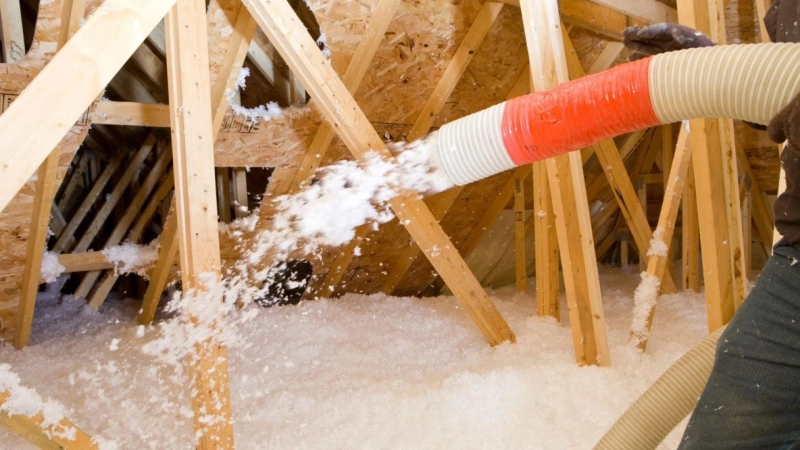
Modern home appraisers look closely at energy efficiency when determining a property's market value. Upgrading the attic with blown-in materials directly improves the thermal envelope and reduces monthly utility costs for future owners. These improvements often result in a higher appraisal because they address both structural protection and long term operating expenses.
Property owners who invest in better attic sealing typically see a high return on their investment during a sale. Energy-efficient features are a top priority for buyers who want to avoid high cooling and heating bills. This upgrade stands out as one of the most cost effective ways to increase a home's overall desirability and price point.
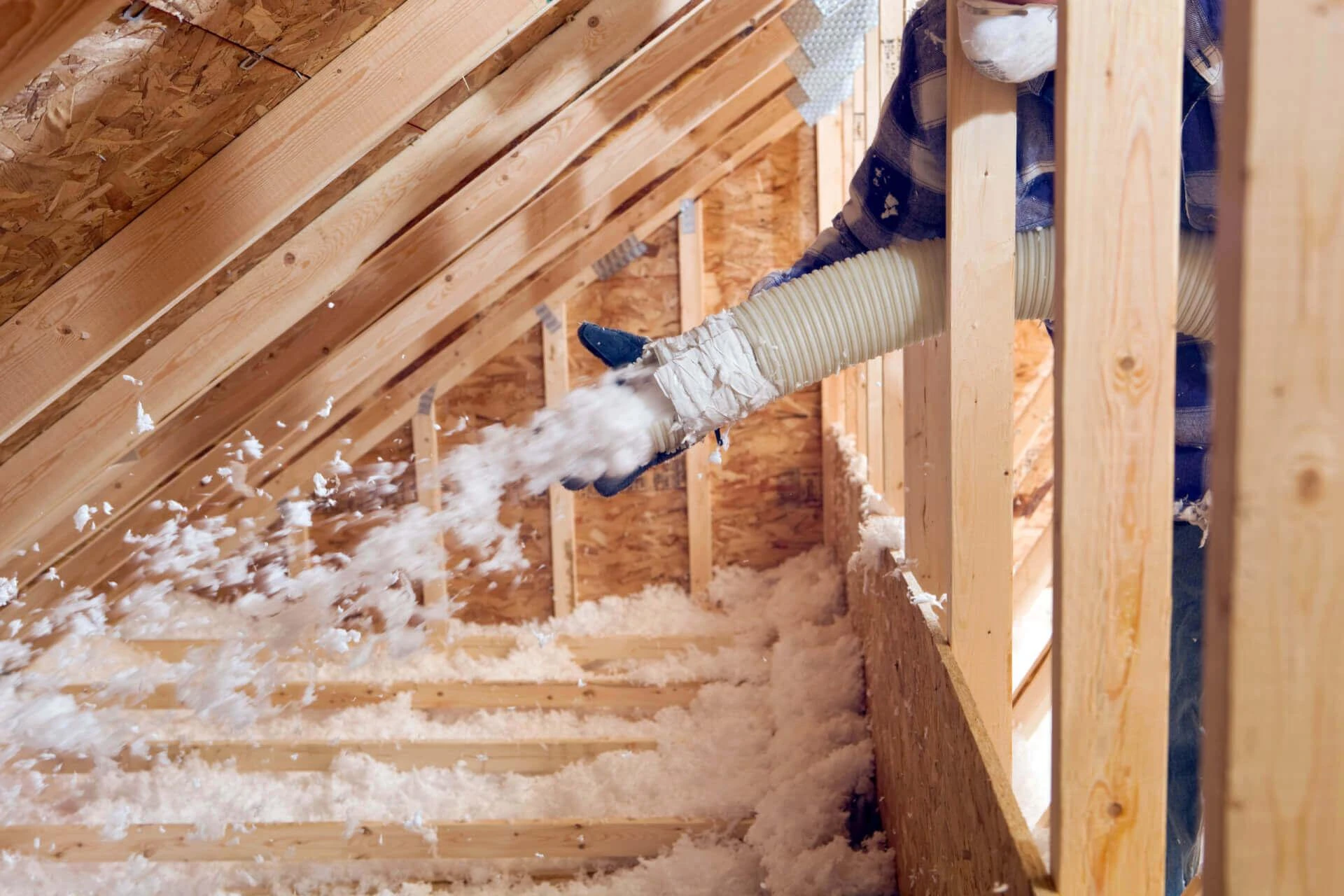
The installation of new Blown-In Insulation remains a top recommendation for those preparing their house for the real estate market. Professionals suggest that this simple change can help a home meet modern building standards even if the structure is several decades old. It provides a noticeable difference in comfort that appraisers often note during their walkthrough.
Impact of Energy Efficiency on Market Value
Real estate data suggests that homes with verified energy upgrades can sell for up to five percent more than standard homes. Appraisers use comparable sales to determine value, and a well insulated home often sits at the top of that range. This is especially true in regions with extreme weather where utility costs are a major concern.
A tight thermal barrier prevents the HVAC system from overworking, which extends the life of expensive household equipment. Appraisers recognize that a protected attic leads to fewer moisture problems and less wear on the roof deck. These factors contribute to the property's overall condition rating, which is a significant part of the final valuation.
- Lower monthly bills make the home more affordable for a wider range of potential buyers.
- Better sealing prevents drafts and creates a more consistent temperature across all rooms.
- Upgraded attics often qualify for green building certifications that boost market appeal.
- Newer materials are often treated to be more fire resistant than original builder grade options.
Buyer Preferences in Modern Real Estate
Today's buyers are more educated about home performance than previous generations. They often ask for utility bill history and inspection reports regarding the attic's current state. Having a fresh layer of high performance material shows that the owner has maintained the property with care and attention to detail.
When a buyer sees a thick, even layer of protection in the attic, it builds confidence in the entire structure. It suggests that other hidden areas, like plumbing and electrical, have also been well managed. This perceived value often leads to faster sales and fewer requests for repair credits during the closing process.
Lower Operating Costs as a Selling Point
Reduced energy consumption is a tangible benefit that can be quantified during a sales pitch. If a home costs thirty percent less to cool than the neighbor's house, it has a clear financial advantage. Real estate professionals use these figures to justify a higher asking price in competitive markets.
Bonus Tip Documentation for Appraisers
Keep all receipts and technical spec sheets from the installation to show the appraiser exactly what was added. Providing proof of the material's R-value and the date of installation makes it easier for them to include the upgrade in their final report.
Technical Performance and Appraisal Criteria
The R-value of a material measures how well it stops heat from moving through the ceiling and walls. Appraisers look for homes that meet or exceed the local recommended levels for their specific climate zone. A higher R-value typically translates to a better rating on the appraisal form under the energy efficiency section.
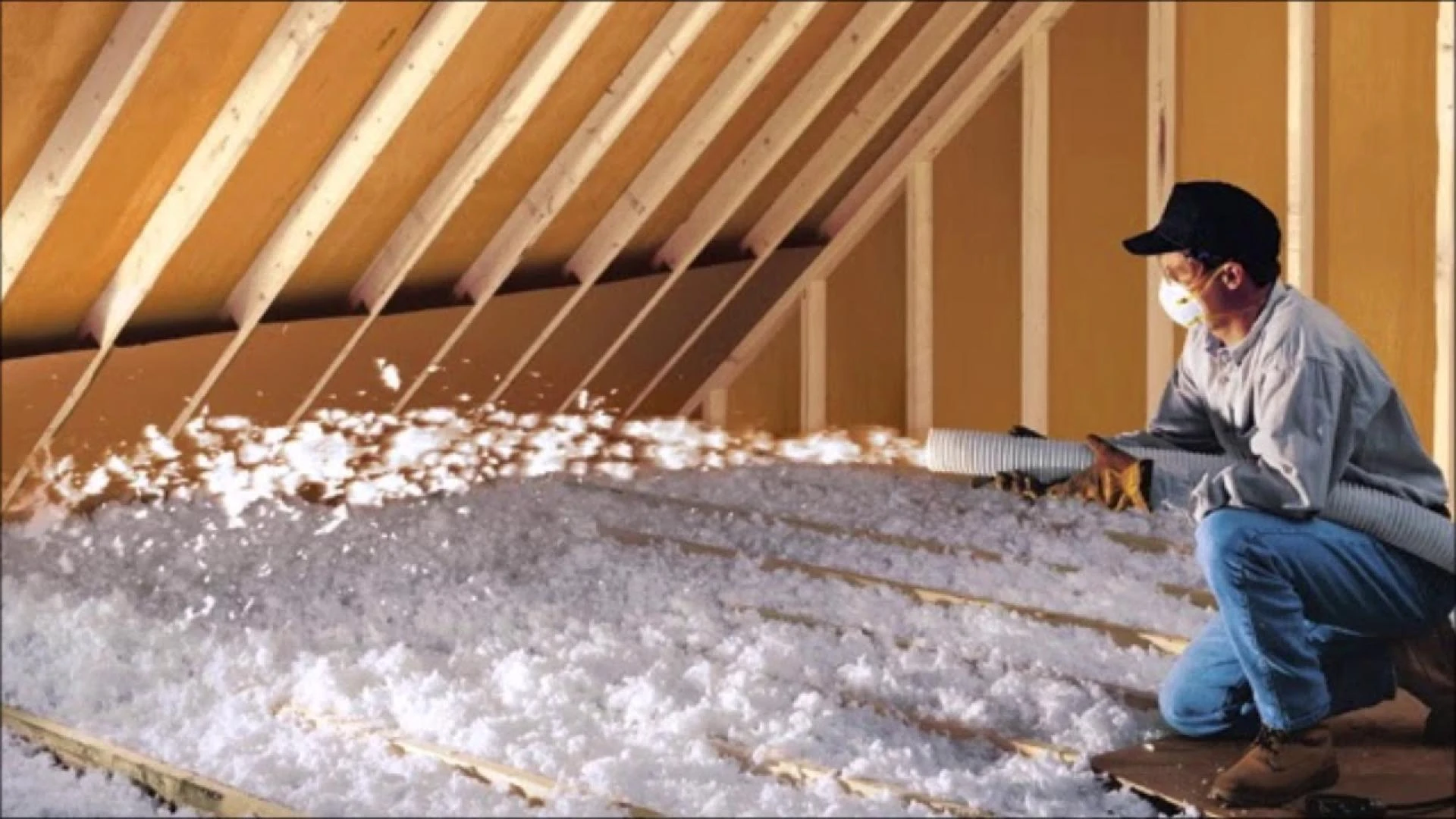
Using blown-in materials allows the product to fill small gaps that traditional batts might miss. This creates a more complete barrier that stops air from escaping around light fixtures and attic hatches. This level of detail is what separates a professional job from a basic DIY attempt.
R Value Improvements and Home Comfort
Improving the R-value is about more than just numbers on a sheet of paper. It changes the way a home feels during a hot summer afternoon or a cold winter night. An appraiser who enters a perfectly tempered home on a ninety degree day will immediately notice the effectiveness of the thermal seal.
Attic Sealing and Thermal Resistance
Before blowing in new material, professionals seal the holes where wires and pipes enter the attic. This step is what truly creates a high performance home by stopping the movement of air. Appraisers who understand home performance look for these signs of a comprehensive upgrade.
Bonus Tip: Humidity Management
Ensure the attic has proper ventilation before adding more layers to prevent moisture buildup. Good airflow works with the thermal barrier to keep the roof deck dry and prevent mold growth in damp climates.
Things to Consider Before Making a Decision
- Evaluate the current depth of the material to see if it meets modern building codes.
- Check for any existing roof leaks that could damage new materials after installation.
- Consider the age of the home and if any old electrical wiring needs to be replaced first.
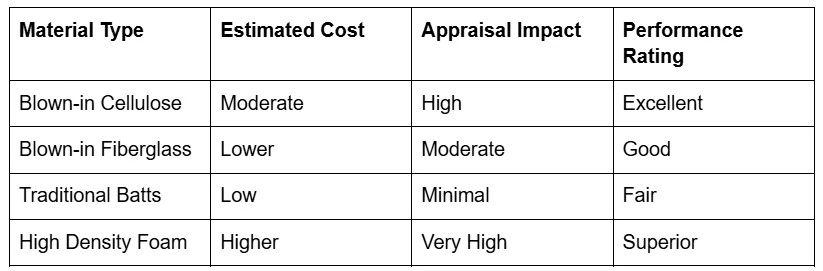
- Compare the different types of blown-in products to see which fits your budget and goals.
Additional Information on Local Standards
Every region has specific requirements for attic protection based on local weather patterns. Checking with a local professional ensures the home will pass inspections and meet the expectations of appraisers in your specific area.
Final Thoughts on Property Upgrades
Increasing a home's value through better sealing is a proven strategy for smart property owners. It addresses the growing demand for sustainable and affordable living spaces in the modern market. Taking the time to improve the attic today provides immediate comfort and long term financial gains.
Appraisers will continue to place more weight on energy efficiency as utility costs rise across the country. A home that is prepared for these challenges will always stand out from the competition. Evaluate your property's needs and consider how a professional upgrade can change its market position.
Expert Advice for Home Efficiency
Property owners can reach out to Prestige Insulation Solutions for a professional assessment of their attic. They provide detailed guidance on the best materials to use for increasing both comfort and property value. For more information or to book an inspection, contact them at (850) 429-4969 or email prestigeinsulationsolutions@gmail.com. Their team focuses on providing consistent, high quality results that help homeowners achieve their goals through better sealing and professional installation techniques.
Questions About Insulation and Home Value
Does the brand of material matter for the appraisal?
While specific brands might not be listed, the type and quality of the material are important. High quality cellulose or fiberglass with a documented R-value carries more weight than generic alternatives. The focus is usually on the total thermal resistance achieved.
Can I get a tax credit for this upgrade?
Many property owners qualify for federal or local tax credits when they improve their home's energy efficiency. These incentives help offset the initial cost while still providing the full benefit to the home's value. It is a double benefit for those looking to save money.
How much value does it specifically add?
The exact dollar amount varies by market, but many studies show that energy upgrades can return over eighty percent of their cost in home value. In some cases, the savings on utility bills combined with the increased sale price exceeds the original investment.
Should I remove the old material first?
If the old material is dusty, flat, or has been disturbed by pests, removal is often the best choice. Starting with a clean attic allows for better air sealing and ensures no odors or allergens are trapped under the new layer. This clean start is very appealing to buyers.
Is blown-in better than spray foam for value?
Both options add significant value, but they serve different needs and budgets. Blown-in is a fantastic, cost effective choice for most attics and provides a great return. Spray foam is often used for high performance builds or when the attic will be used as living space.
Author: Rene Zamarripa is a spray foam installer and owner with 17 years of experience in the insulation industry, specializing in identifying the right solutions for residential and commercial structures.
Reviewer: Benjamin Lee has over 13 years of experience in the insulation field and provides feedback to help businesses connect more effectively with local homeowners and commercial clients.