



Introduction
In today’s digital landscape, the demand for seamless audio and video transmission has surged, especially with the rise of remote work, virtual events, and online streaming. AV over IP (Audio/Video over Internet Protocol) has emerged as a popular solution, allowing users to transmit high-quality audio and video signals over standard IP networks. However, a common concern associated with AV over IP technology is latency. In this blog, we will explore what AV over IP is, define latency in audio/video transmission, examine its impact on user experience, and discuss effective strategies to mitigate latency in AV over IP systems.
What is AV over IP?
AV over IP refers to the process of transmitting audio and video signals over an IP network instead of traditional methods like HDMI or coaxial cables. This technology leverages standard networking equipment to distribute high-quality content efficiently. One of the primary advantages of AV over IP is its scalability; users can easily expand their systems without needing extensive rewiring or additional hardware.
Unlike traditional AV systems, which often rely on point-to-point connections, AV over IP enables centralized management and control of audio and video signals. This flexibility allows for the integration of various devices and platforms, making it an ideal solution for environments like corporate offices, educational institutions, and live events.
What is Latency in Audio/Video Transmission?
Latency refers to the delay between the input of a signal and its output. In the context of audio/video transmission, latency can significantly affect the synchronization of audio and video signals. It is measured in milliseconds (ms), and understanding its implications is crucial for anyone relying on AV technology.
Types of Latency
- Propagation Latency: This is the time it takes for a signal to travel through the network. Factors like distance and network congestion can affect propagation latency.
- Processing Latency: This occurs during the encoding and decoding processes. When audio and video signals are compressed and converted for transmission, there can be delays that contribute to overall latency.
- Queuing Latency: This type of latency occurs when data packets wait in a queue before being processed. Heavy traffic on the network can lead to increased queuing latency.
How Latency Affects Audio/Video Quality and User Experience?
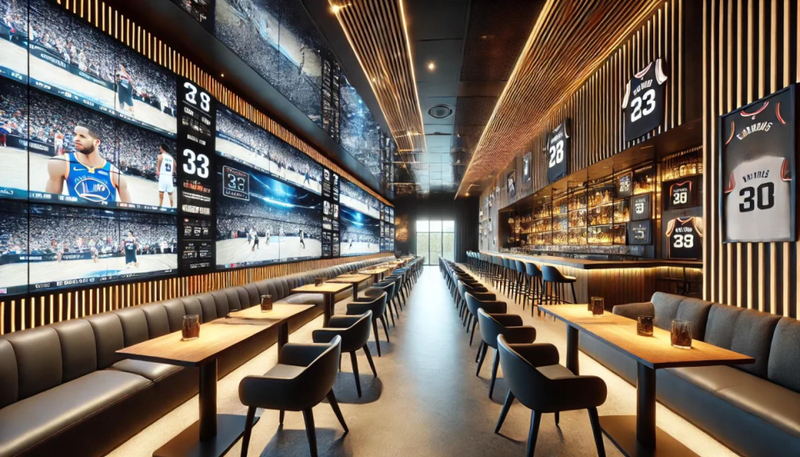
Latency can significantly impact the quality of audio and video, leading to delays in communication and disruptions in the viewing experience. In settings such as sports bars, restaurants, or shopping malls—where real-time broadcasting is crucial—latency can cause noticeable sync issues between audio and video, or delays in live feeds, which frustrates viewers.
For example, our 4KIP200 system, which has a 300ms latency when transmitting 4K video and a 100ms latency for 1080p, is well-suited for hospitality environments. It ensures smooth transmission for most viewing scenarios, making it ideal for settings like sports bars or malls where high-definition content needs to be displayed to multiple screens without significant delays.
However, in more demanding environments like control centers, where real-time interactions are critical, even small delays can cause issues. That’s where the 4KIPJ200 comes in. With less than 4ms of latency and built-in KVM functionality, it allows for near-instantaneous response times, making it perfect for control centers where operators need to switch between multiple devices seamlessly and act immediately without delay. This low-latency performance ensures smooth, real-time operation, greatly enhancing both efficiency and user experience.
By selecting the appropriate AV over IP solution, tailored to specific needs, businesses can deliver the best audio/video experience while minimizing latency disruptions.
Effective Strategies for Mitigating Latency in AV over IP
Fortunately, there are several effective strategies to reduce latency in AV over IP systems:
- Network Optimization Techniques: Implementing Quality of Service (QoS) settings can prioritize audio and video traffic, ensuring that these signals receive the bandwidth they need for smooth transmission. Additionally, using managed switches can help regulate data flow and minimize congestion.
- Recommended Equipment: Choosing low-latency encoding and decoding devices is essential for maintaining high-quality audio and video. Look for equipment specifically designed for AV over IP applications, as they often include features that enhance performance and reduce processing times.
- Regular Monitoring and Maintenance: Regularly monitoring network performance can help identify potential latency issues before they affect user experience. Implementing routine maintenance checks and updates can ensure that all components of the AV over IP system function optimally.
Conclusion
Latency is a critical factor in the performance of AV over IP systems, greatly influencing both audio and video quality. Understanding how latency affects user experience is vital for optimizing these systems, particularly in settings like sports bars, restaurants, and control centers. By implementing effective strategies—such as enhancing your network infrastructure and investing in our low-latency AV over IP series—you can significantly improve the viewing experience and ensure seamless, real-time interactions. Choosing the right technology makes all the difference, enabling users to enjoy high-quality audio and video without frustrating delays that can diminish their experience.