



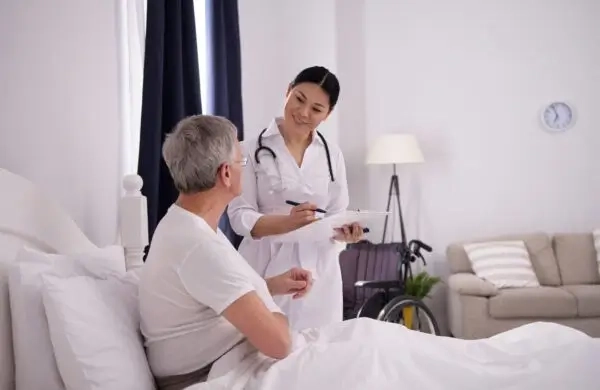
Healthcare has evolved dramatically in recent years. With busy schedules, family responsibilities, and the ongoing concern of infectious diseases, visiting a clinic or hospital isn’t always convenient—or even safe. This is where the doctor at home service becomes a game-changer, offering professional medical care in the comfort of your own space.
From routine checkups to urgent care, a doctor at home ensures that quality healthcare is accessible, safe, and personalized for every individual, regardless of age or condition.
What Is a Doctor at Home Service?
A doctor at home service is a medical solution where a licensed physician visits your residence to provide consultation, diagnosis, treatment, and follow-up care. Instead of traveling to a clinic or hospital, the patient receives care in a familiar environment.
Doctors visiting homes are equipped with medical tools, medications, and diagnostic devices necessary to handle common ailments. Many services also offer laboratory tests, IV therapy, and chronic condition monitoring on-site.
Why Doctor at Home Services Are Becoming Popular
One of the most significant advantages of a doctor at home service is convenience. Patients no longer need to commute, wait in crowded clinics, or risk exposure to infectious diseases. This is especially valuable for children, elderly patients, or people with compromised immune systems.
Another key reason is time efficiency. With busy lifestyles, taking time off for medical visits can be challenging. A doctor at home provides quick medical attention without disrupting daily routines, making it ideal for working professionals and families.
Additionally, receiving care at home offers comfort and privacy, allowing patients to communicate openly about their symptoms and concerns. This can lead to better diagnosis and treatment outcomes.
Common Conditions Treated by Doctors at Home
Doctors at home are trained to manage a wide range of medical conditions safely and effectively. These include:
- Fever, cold, and flu symptoms
- Stomach infections and food poisoning
- Minor injuries, cuts, or bruises
- Allergic reactions and skin rashes
- Dehydration and fatigue
- Chronic condition monitoring such as diabetes or hypertension
- Medication refills and general health checkups
If a patient requires further medical care, the doctor can guide them on hospital visits, referrals, or additional testing.
Who Can Benefit From a Doctor at Home?
The doctor at home service is ideal for various groups of people:
- Elderly individuals with mobility challenges
- Families with young children
- Busy professionals with tight schedules
- Patients recovering from surgery or illness
- People managing chronic conditions
- Travelers or visitors needing immediate medical support
For these groups, having a doctor come directly to the home ensures timely and reliable healthcare without unnecessary stress or inconvenience.
Advantages of Doctor at Home Over Traditional Healthcare
1. Reduced Exposure to Infections: Hospitals and clinics can be breeding grounds for viruses and bacteria. Home visits minimize the risk of catching additional infections.
2. Personalized Attention: Doctors spend focused time with each patient, providing a more detailed assessment and a tailored treatment plan.
3. Flexible Scheduling: Appointments can be arranged according to the patient’s availability, ensuring minimal disruption to daily routines.
4. Comprehensive Care at Home: From vital checks to lab sample collection, many diagnostic services are now available at home, making healthcare more holistic and accessible.
How Technology Enhances Doctor at Home Services
Modern technology has transformed home healthcare. Online booking systems, telemedicine, and mobile apps allow patients to schedule visits, share medical history, and receive prescriptions digitally. Doctors can access patient records, coordinate with laboratories, and provide follow-up advice remotely, ensuring continuity of care.
Cost and Accessibility
While some assume that home doctor services are expensive, the convenience, time saved, and reduced travel make them cost-effective. Transparent pricing and flexible service plans also make it accessible to a wider audience. Some insurance policies even cover doctor at home visits, further increasing affordability.
When Should You Consider a Doctor at Home?
Patients should consider booking a doctor at home when:
- Feeling too unwell to travel
- Experiencing sudden illness during work or home hours
- Managing chronic conditions that require regular monitoring
- Seeking discreet and private care
- Recovering from surgery or medical procedures
Early intervention by a doctor at home can prevent minor issues from turning into major complications, promoting faster recovery.
The Future of Healthcare Is Home-Based
As lifestyles become busier and healthcare needs evolve, home-based medical services are becoming increasingly essential. Doctors at home represent a shift toward patient-centered, convenient, and proactive healthcare.
This model allows healthcare providers to deliver professional care efficiently, while patients enjoy safety, comfort, and timely access to medical expertise.
Final Thoughts
Choosing a doctor at home service is choosing comfort, convenience, and quality care without compromise. It empowers patients to take control of their health while receiving professional support in a familiar environment.
Whether it’s a routine checkup, urgent care, or chronic condition monitoring, a doctor at home ensures that medical attention is available exactly when it is needed. In today’s fast-paced world, this service is not just a convenience it is a vital healthcare solution.