



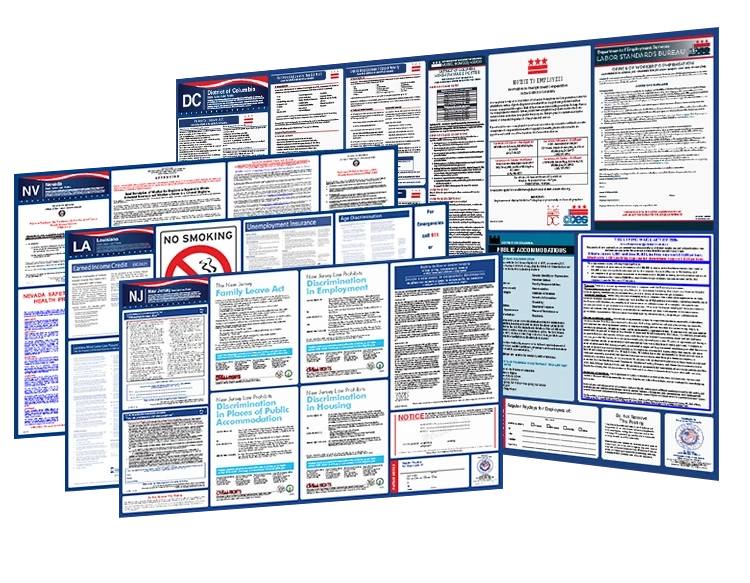
Running a business across multiple Indian states comes with clear advantages—access to wider talent pools, regional market reach, and operational flexibility. However, it also introduces layers of compliance that are often underestimated. One such area is labor law display requirements. Many employers assume that a single set of notices is sufficient across locations, but that assumption can lead to compliance gaps.
Labor laws in India are governed by both central and state authorities. While central laws provide a broad framework, state governments have the power to introduce their own rules, amendments, and display requirements. This makes compliance a moving target for organizations operating in more than one state. Understanding whether different labor law posters are required is not just a legal formality—it directly affects risk management, workforce transparency, and operational credibility.
Understanding Labor Law Poster Requirements in India
Labor law posters are officially mandated notices that inform employees about their rights, wages, working hours, safety standards, and grievance mechanisms. These notices are designed to promote transparency and ensure employees are aware of protections available to them under the law.
In India, poster requirements vary depending on:
- The nature of the industry
- The number of employees
- The applicable central and state labor laws
Because labor is a subject under the Concurrent List of the Indian Constitution, both central and state governments can legislate on it. This dual structure is the main reason compliance differs from one state to another.
Why Multi-State Employers Face Higher Compliance Complexity
When an organization operates in multiple states—such as Maharashtra, Karnataka, Tamil Nadu, or Delhi—it becomes subject to each state’s specific labor rules. Even when the underlying law is the same, states often issue their own formats, languages, and display conditions.
This means that state labor law posters cannot always be standardized across all locations. Employers must consider:
- State-specific amendments
- Local language requirements
- Updates issued by state labor departments
Failing to recognize these differences can result in inspections, penalties, or disputes with employees.
Central vs State Labor Laws: What Changes Across Locations?
Central labor laws like the Minimum Wages Act or the Factories Act apply nationwide. However, states are empowered to:
- Set different minimum wage rates
- Prescribe local welfare rules
- Mandate additional notices or formats
For example, the minimum wage notification in Gujarat will differ from that in West Bengal, even though both are issued under the same central legislation. As a result, poster content, wage tables, and display language may need to change based on the state of operation.
Language and Display Format: A Commonly Missed Detail
One of the most overlooked aspects of compliance is language. Many Indian states require labor notices to be displayed in:
- English
- Hindi
- The local regional language
For instance, a workplace in Tamil Nadu may require Tamil, while one in Maharashtra may require Marathi. Multi-state employers who use a single-language notice across locations may unintentionally fall short of compliance expectations.
Compliance Risks of Using Uniform Posters Across States
Using the same labor notices across all offices may seem efficient, but it carries real risks:
- Non-compliance penalties during labor inspections
- Employee grievances due to lack of awareness
- Reputational damage with regulators and workers
In India, labor inspections are often document-focused. Missing or outdated notices can trigger further scrutiny, even if other compliance measures are in place.
Digital Compliance and Operational Efficiency
Many organizations are now shifting toward digital compliance management to reduce errors and administrative burden. Centralized monitoring allows employers to track which notices apply to which state and update them as regulations change.
This is especially important for businesses investing heavily in expansion and performance marketing. Compliance gaps can silently erode trust and offset the ROI from ads campaigns, as regulatory issues disrupt operations and divert leadership attention from growth initiatives.
Best Practices for Multi-State Labor Law Compliance
To manage labor poster requirements effectively across India, employers should:
- Conduct state-wise compliance mapping
- Track updates issued by state labor departments
- Ensure correct language versions are displayed
- Schedule periodic compliance audits
These practices help reduce uncertainty and ensure that each workplace meets its legal obligations without relying on assumptions.
Why Compliance Is a Business Enabler, Not a Cost Center
Many growing businesses view compliance as a back-office obligation. In reality, it plays a strategic role in workforce stability and brand credibility. Clear communication of employee rights fosters trust, reduces disputes, and supports smoother operations across regions.
For multi-state employers, proactive compliance also creates consistency in governance, even when legal requirements differ. This consistency is critical for organizations scaling rapidly across India.
Call to Action
If your business operates across multiple Indian states, relying on generic or outdated labor notices can expose you to avoidable risks. A structured, state-specific compliance approach ensures accuracy, reduces administrative strain, and keeps your focus on growth. Partnering with a compliance-focused service provider can help you stay aligned with changing regulations while maintaining operational efficiency.
Conclusion
So, do multi-state employers need different labor law posters? In most cases, the answer is yes. India’s state-driven labor framework means that compliance requirements often vary by location, language, and legal interpretation. Employers who recognize and plan for these differences are better positioned to avoid penalties, support employee awareness, and sustain long-term growth. Treating labor law compliance as a strategic function—not a checklist—can make all the difference in a complex, multi-state operating environment.