



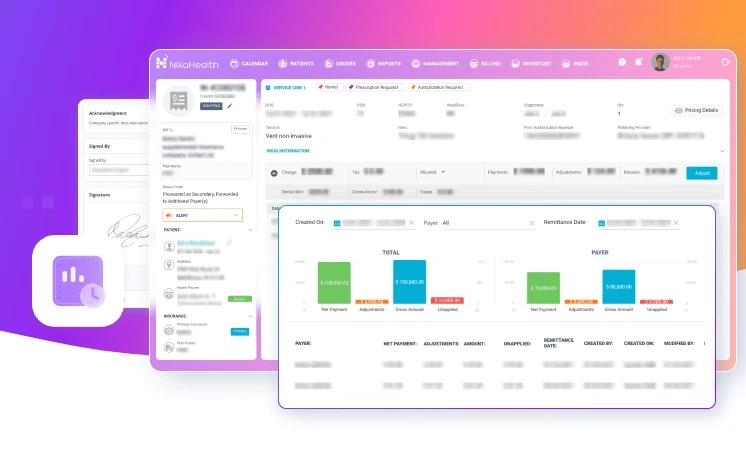
Durable Medical Equipment (DME) providers face unique challenges in managing inventory efficiently. From wheelchairs and oxygen tanks to mobility aids and wound care supplies, DMEs handle a wide range of products that require careful tracking, timely replenishment, and compliance with strict healthcare regulations. As the demand for home healthcare and outpatient medical services continues to rise, DME providers must adopt advanced solutions to streamline inventory processes. This is where dme inventory management software becomes a game-changer.
Understanding DME Inventory Management
At its core, DME inventory management involves overseeing the procurement, storage, and distribution of medical equipment to ensure availability, minimize costs, and maintain compliance. Unlike general retail inventory, DME items have unique challenges:
- Regulatory compliance: Many DME items are subject to FDA regulations and insurance documentation requirements.
- High value items: Equipment like power wheelchairs and respiratory devices represents a significant investment.
- Expiration and maintenance tracking: Supplies such as oxygen canisters, catheters, and wound care products may have expiration dates or require periodic maintenance.
- Order accuracy: Ensuring the right product is delivered to the right patient on time is critical.
Traditional manual tracking methods—spreadsheets or paper logs—are insufficient for managing these complexities. They are prone to errors, delays, and inefficiencies. This makes DME providers increasingly rely on dme inventory management software to optimize operations.
Key Features of DME Inventory Management Software
Modern dme inventory management software provides comprehensive functionality tailored to the specific needs of DME businesses. Some of the most critical features include:
1. Real-Time Inventory Tracking
Real-time tracking allows businesses to know exactly which items are in stock, reserved, or out for delivery. This reduces stockouts and overstocking, ensuring that high-demand equipment is always available. Integration with barcode scanners and RFID technology further enhances accuracy and efficiency.
2. Automated Reordering
Software can automatically trigger reorder points based on stock levels, past usage patterns, and anticipated demand. Automated alerts prevent stock shortages and reduce manual oversight, helping businesses maintain optimal inventory levels.
3. Multi-Location Management
DME companies often operate across multiple locations, including warehouses, retail outlets, and distribution centers. Dme inventory management software allows centralized control over inventory across all sites, enabling seamless transfers, stock audits, and location-based reporting.
4. Compliance and Documentation
Maintaining compliance with federal and state regulations is critical in the DME sector. Inventory software can automate documentation for items covered under Medicare, Medicaid, or private insurance, ensuring accurate billing and audit readiness. It can also track expiration dates, maintenance schedules, and warranty information.
5. Integration with POS and Billing Systems
Integrating inventory software with point-of-sale (POS) and billing systems simplifies the ordering and payment process. This ensures that inventory levels update automatically when products are sold or delivered, and invoices are generated accurately for insurance claims.
6. Reporting and Analytics
Comprehensive reporting tools help DME providers make informed decisions. From tracking high-demand items to analyzing sales trends, dme inventory management software provides actionable insights for optimizing stock levels, reducing waste, and improving profitability.
7. Mobile Accessibility
Modern software solutions often include mobile applications that allow staff to manage inventory on the go. Whether scanning items in a warehouse, updating stock levels during deliveries, or conducting audits, mobile access improves efficiency and accuracy.
Benefits of Implementing DME Inventory Management Software
Investing in dme inventory management software offers significant operational and financial benefits:
1. Reduced Operational Costs
Efficient inventory management minimizes overstocking, understocking, and wastage of medical supplies. Automated reordering ensures that only necessary items are purchased, reducing unnecessary expenditure.
2. Improved Accuracy and Efficiency
Manual inventory management is prone to errors that can result in lost revenue or patient dissatisfaction. Software solutions improve accuracy in stock tracking, order fulfillment, and reporting, saving time and reducing administrative burden.
3. Enhanced Patient Care
Ensuring timely availability of medical equipment directly impacts patient care. By preventing stockouts of critical items, DME providers can meet patient needs promptly, improving satisfaction and outcomes.
4. Regulatory Compliance
Automated documentation, maintenance tracking, and reporting help DME providers maintain compliance with federal, state, and insurance regulations, reducing the risk of penalties and audit failures.
5. Data-Driven Decision Making
Analytics and reporting features provide valuable insights into inventory trends, demand patterns, and operational efficiency. These insights enable informed decisions about procurement, stocking strategies, and resource allocation.
Challenges in DME Inventory Management
While dme inventory management software offers numerous advantages, providers may face challenges during implementation:
- Data migration: Transitioning from manual systems or legacy software requires accurate data migration, which can be complex.
- Staff training: Employees need training to use new software effectively, which can require time and resources.
- Integration with existing systems: Ensuring seamless integration with billing, POS, and EHR systems is essential for efficiency.
- Customization needs: DME providers may require software tailored to their specific product types, compliance requirements, and operational workflows.
Addressing these challenges during the planning and implementation phase ensures a smooth transition and maximizes software benefits.
Choosing the Right DME Inventory Management Software
Selecting the right solution requires careful evaluation of your business needs. Consider the following factors:
1. Scalability
Your software should support business growth. As your product catalog, locations, and customer base expand, the system must handle increased inventory volumes and complex workflows.
2. Ease of Use
A user-friendly interface ensures faster adoption by staff and reduces errors. Look for software with intuitive dashboards, simple navigation, and mobile accessibility.
3. Integration Capabilities
Ensure the software integrates seamlessly with your billing, POS, and electronic health record (EHR) systems. Integration streamlines operations and reduces data silos.
4. Regulatory Compliance Features
Choose software that supports compliance with federal and state regulations, insurance documentation, and reporting requirements. Features like expiration tracking, maintenance logs, and audit-ready reporting are essential.
5. Customer Support
Reliable customer support and training resources help resolve issues quickly and ensure smooth day-to-day operations.
Future Trends in DME Inventory Management
The DME industry continues to evolve, and inventory management software is adapting to meet emerging needs. Key trends include:
1. AI and Predictive Analytics
Artificial intelligence can predict demand patterns based on historical data, seasonality, and patient demographics. Predictive analytics help optimize stock levels, reduce wastage, and improve procurement strategies.
2. Cloud-Based Solutions
Cloud-based dme inventory management software provides remote access, real-time updates, and scalable storage. It reduces IT infrastructure costs and enables collaboration across multiple locations.
3. Internet of Things (IoT)
IoT-enabled devices allow real-time monitoring of medical equipment usage, expiration, and maintenance needs. This technology ensures proactive management and enhances patient safety.
4. Integration with Telehealth and Home Care Platforms
As home healthcare grows, DME software increasingly integrates with telehealth platforms and home care management systems, providing a seamless workflow from prescription to delivery.
5. Enhanced Mobile Capabilities
Mobile apps continue to improve, offering barcode scanning, inventory audits, and delivery tracking directly from smartphones or tablets, enabling more efficient operations for field staff.
Conclusion
Efficient inventory management is critical for DME providers striving to improve operational efficiency, reduce costs, and ensure patient satisfaction. By adopting dme inventory management software, businesses can streamline stock tracking, automate processes, maintain regulatory compliance, and make data-driven decisions. As technology continues to evolve, integrating AI, IoT, and cloud-based solutions will further transform how DME inventory is managed, providing a competitive edge in a rapidly growing market.
In a sector where accuracy, timeliness, and compliance are paramount, investing in the right software is not just a choice—it’s a necessity. For any DME provider seeking to enhance operational efficiency, reduce errors, and provide superior patient care, modern dme inventory management software is the cornerstone of success.