



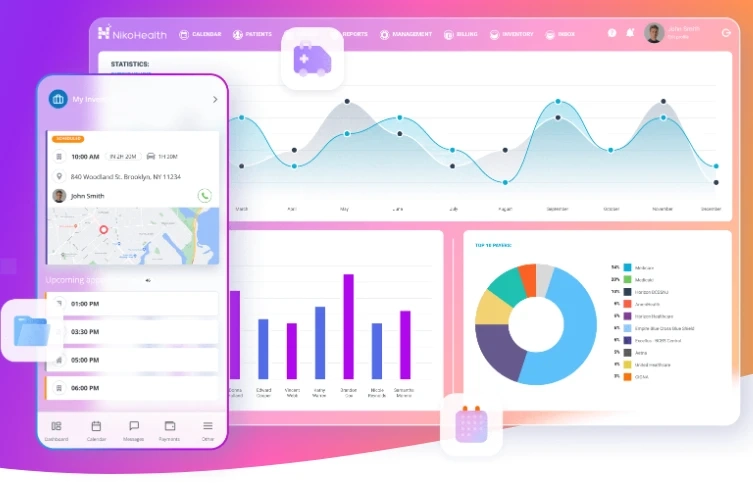
In the rapidly evolving landscape of healthcare, Durable Medical Equipment (DME) providers face unique challenges. Managing billing processes, staying compliant with healthcare regulations, and maintaining profitability can be daunting without the right tools. This is where dme billing software comes into play, revolutionizing how DME providers manage their operations and ensuring that patients receive timely access to essential medical equipment.
Understanding DME Billing
Durable Medical Equipment encompasses a wide range of healthcare products, from wheelchairs and hospital beds to respiratory devices and mobility aids. Unlike other healthcare services, DME billing is highly specialized. Providers must navigate a complex web of insurance claims, coding requirements, and reimbursement procedures. Errors in billing can lead to denied claims, delayed payments, and financial losses.
Traditional billing methods—manual forms, spreadsheets, and basic accounting software—are often insufficient. They are prone to errors, time-consuming, and lack integration with patient management systems. This is where dme billing software demonstrates its value by automating and streamlining billing workflows, minimizing errors, and accelerating revenue collection.
Key Features of DME Billing Software
Modern dme billing software is designed to address the unique needs of DME providers. Some of the core features include:
1. Automated Claims Processing
Submitting claims to insurance companies is one of the most critical aspects of DME operations. Billing software automates claim generation, ensuring that coding is accurate and compliant with healthcare standards. Automation reduces manual entry errors and increases the likelihood of successful reimbursement.
2. Insurance Eligibility Verification
Before providing equipment, it is crucial to confirm patient insurance coverage. DME billing software allows providers to verify eligibility in real-time, preventing denied claims and avoiding unnecessary financial risk for both patients and the provider.
3. Inventory Management Integration
Many DME providers maintain extensive inventories of equipment. Integrated billing software tracks inventory levels, links equipment to specific patient orders, and automatically updates stock after dispensing. This integration prevents stockouts and ensures accurate billing for every piece of equipment.
4. Compliance and Regulatory Support
Healthcare regulations, including Medicare, Medicaid, and HIPAA compliance, are constantly evolving. DME billing software helps providers stay compliant by automatically updating coding standards, ensuring accurate documentation, and generating audit-ready reports.
5. Reporting and Analytics
Insightful reporting tools are essential for managing financial performance. Billing software offers dashboards and reports that track revenue cycles, claim statuses, reimbursement rates, and patient balances. This visibility helps management make informed decisions to optimize operations.
6. Patient Management Integration
Many software solutions also integrate with patient management systems, allowing providers to maintain complete patient records. This ensures that billing is linked to patient history, prescriptions, and equipment orders, reducing the risk of errors and improving patient care coordination.
Benefits of Using DME Billing Software
Investing in dme billing software offers tangible benefits for DME providers, from financial efficiency to improved patient satisfaction.
1. Enhanced Revenue Collection
Automated claim submissions, error reduction, and real-time insurance verification significantly increase reimbursement rates. Faster claims processing means a healthier cash flow and fewer outstanding balances.
2. Reduced Administrative Workload
Manual billing is time-consuming and labor-intensive. Automation reduces repetitive tasks, freeing staff to focus on patient care and other strategic activities.
3. Improved Accuracy and Compliance
Billing errors can result in claim denials and penalties. Software minimizes human error, ensures coding accuracy, and maintains compliance with federal and state regulations.
4. Better Inventory Control
Integrated inventory management prevents lost or misplaced equipment and ensures that all dispensed items are properly billed, reducing revenue leakage.
5. Enhanced Patient Experience
When billing is accurate and efficient, patients face fewer delays in receiving their equipment. Real-time updates on claim status and patient statements improve transparency and trust.
Choosing the Right DME Billing Software
Selecting the right software is critical to maximizing the benefits. Here are some factors to consider:
1. Scalability
Providers should choose software that grows with their business. Whether managing a small clinic or a nationwide network, the software must handle increasing patient volumes and claims efficiently.
2. Integration Capabilities
Seamless integration with electronic health records (EHR), patient intake systems, and inventory management solutions ensures smooth workflows and reduces duplication of effort.
3. User-Friendly Interface
Staff adoption is crucial for success. A software platform with an intuitive interface reduces training time and ensures that employees can efficiently navigate billing processes.
4. Customer Support
Reliable technical support ensures that issues are resolved promptly, minimizing downtime and preventing disruptions in billing and patient care.
5. Security
Handling sensitive patient information requires robust data security. Providers should ensure that the software complies with HIPAA standards and includes encryption, secure access controls, and regular security updates.
Common Challenges in DME Billing
Even with advanced dme billing software, providers may face challenges such as:
- Complex Reimbursement Policies: Different insurance providers have varying coverage criteria for equipment, requiring careful documentation.
- Denials and Appeals: Despite accurate billing, some claims may be denied. Software can assist with tracking denials and streamlining appeal processes.
- Regulatory Changes: Frequent updates to Medicare and Medicaid policies can impact billing. Software that automatically updates coding standards helps mitigate this risk.
- Training Staff: Transitioning from manual billing to software-based processes requires adequate staff training to ensure smooth adoption.
Future Trends in DME Billing
The healthcare industry is rapidly adopting technology-driven solutions, and DME billing is no exception. Key trends include:
1. Cloud-Based Solutions
Cloud-based billing software allows DME providers to access their systems from anywhere, providing flexibility for remote work and multi-location management.
2. Artificial Intelligence and Machine Learning
AI-powered billing software can predict claim denials, suggest optimal coding, and even automate appeal letters, further increasing efficiency and reducing errors.
3. Mobile Accessibility
Mobile apps enable staff to check claim statuses, verify insurance eligibility, and update patient records in real-time, improving operational efficiency.
4. Integration with Telehealth
As telehealth expands, DME billing software is evolving to support remote patient assessments, prescriptions, and equipment delivery tracking.
5. Enhanced Analytics
Advanced analytics help providers forecast demand, optimize inventory, and identify trends in reimbursements, ensuring better financial planning and decision-making.
Conclusion
The complexities of DME billing require specialized solutions that simplify processes, reduce errors, and maximize revenue. DME billing software offers an all-in-one platform to manage claims, patient records, compliance, and inventory, empowering providers to focus on delivering quality patient care rather than struggling with administrative burdens.
By adopting advanced billing software, DME providers can not only streamline operations but also enhance patient satisfaction, improve financial performance, and stay compliant with evolving healthcare regulations. As technology continues to advance, the future of DME billing looks more automated, efficient, and integrated, making it an indispensable tool for modern healthcare providers.
In summary, investing in robust dme billing software is no longer just a convenience—it is a strategic necessity for DME providers seeking to thrive in an increasingly complex healthcare ecosystem.