



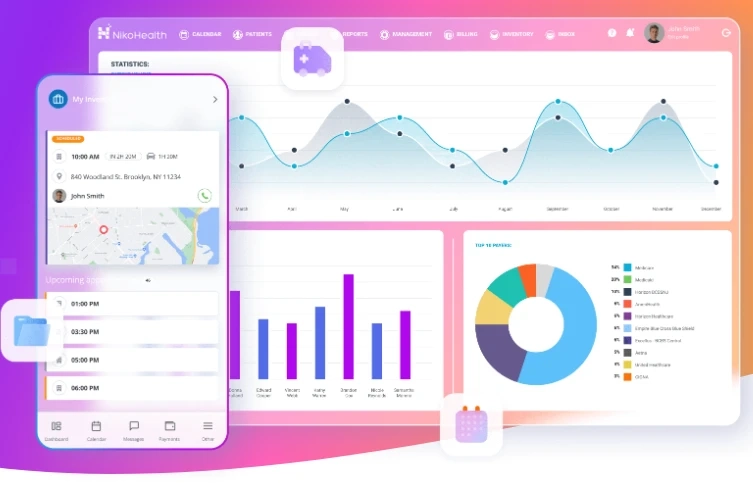
In today’s fast-paced healthcare industry, managing finances efficiently is critical for the success of Durable Medical Equipment (DME) providers. The complexity of billing procedures, insurance claims, and regulatory compliance can easily overwhelm manual processes. This is where dme billing software comes into play, offering streamlined solutions that reduce errors, enhance operational efficiency, and ensure timely revenue collection.
In this article, we will explore the role of dme billing software, its key features, benefits, and how it transforms financial management for DME companies.
Understanding the Need for DME Billing Software
Durable Medical Equipment providers supply essential healthcare items such as wheelchairs, oxygen equipment, CPAP machines, prosthetics, and more. Unlike standard retail businesses, DME providers deal with insurance-based transactions that are highly regulated. Processing claims manually is labor-intensive and prone to errors, which can result in delayed reimbursements, denied claims, and financial losses.
DME billing software automates the billing cycle, ensuring accurate claim submission and efficient payment collection. By integrating with Electronic Medical Records (EMR) and insurance portals, this software minimizes manual intervention and accelerates revenue cycle management.
Key challenges addressed by dme billing software include:
- Complex insurance verification processes
- Frequent claim rejections and denials
- Time-consuming patient billing and follow-ups
- Regulatory compliance with Medicare, Medicaid, and private insurers
Core Features of DME Billing Software
Modern dme billing software is designed to simplify the entire revenue cycle for DME providers. Here are the core features:
1. Automated Claim Management
The software automates claim creation, submission, and tracking. It ensures claims adhere to payer requirements and highlights errors before submission, reducing denials and speeding up reimbursements.
2. Insurance Verification
Before equipment is dispensed, dme billing software can verify a patient’s insurance coverage in real-time. This prevents denied claims due to eligibility issues and improves patient satisfaction.
3. Patient Billing and Invoicing
The software generates accurate invoices for patients and insurance providers, including detailed line items and coverage information. Automated reminders help in collecting co-pays and outstanding balances efficiently.
4. Compliance Management
Regulatory compliance is crucial in the DME industry. Billing software ensures adherence to HIPAA, Medicare, Medicaid, and other federal and state regulations, reducing legal risks.
5. Reporting and Analytics
Advanced reporting tools provide insights into financial performance, claim statuses, outstanding balances, and trends. These analytics help DME providers make data-driven decisions and optimize operations.
6. Integration with EMR and Inventory Management
Seamless integration with Electronic Medical Records and inventory systems ensures that all patient data and product information are synchronized, reducing errors and streamlining workflows.
Benefits of Using DME Billing Software
Investing in dme billing software brings significant advantages for DME providers, including financial, operational, and strategic benefits.
1. Increased Revenue and Faster Reimbursements
Automating the billing process ensures accurate claim submission and minimizes errors. This leads to faster reimbursements from insurance providers and improves cash flow for DME businesses.
2. Reduced Administrative Burden
Manual billing and claim management are time-consuming and labor-intensive. DME billing software automates repetitive tasks, allowing staff to focus on patient care and business growth.
3. Enhanced Accuracy and Reduced Errors
Human errors in billing can result in claim denials, delayed payments, and financial losses. Software-driven automation reduces the likelihood of mistakes, ensuring accurate coding, claim submission, and invoicing.
4. Improved Compliance and Risk Management
The healthcare industry is heavily regulated. Billing software ensures adherence to HIPAA, CMS, and insurance standards, mitigating the risk of audits and penalties.
5. Streamlined Communication with Payers
Automated claim tracking and communication tools allow providers to monitor the status of each claim, communicate with insurance companies efficiently, and quickly resolve issues.
6. Better Decision-Making with Data Insights
Analytics features in dme billing software provide actionable insights into financial health, claim performance, and operational efficiency. Providers can identify trends, optimize pricing strategies, and forecast revenue more accurately.
How DME Billing Software Integrates into the Workflow
A typical workflow using dme billing software includes the following steps:
- Patient Intake and Insurance Verification
- Patient information is entered into the system, and insurance eligibility is verified automatically.
- Prescription and Equipment Management
- The software matches prescriptions with inventory and ensures the requested equipment is available.
- Claim Creation and Submission
- Claims are generated with accurate coding and submitted to insurance providers electronically.
- Denial Management and Follow-Up
- Any denied claims are flagged, and automated tools help resubmit corrected claims quickly.
- Patient Billing and Collections
- Patient invoices are generated, and payment reminders are sent to ensure timely collections.
- Reporting and Analytics
- Financial performance and operational metrics are tracked to optimize revenue and efficiency.
Choosing the Right DME Billing Software
Selecting the right dme billing software is essential for maximizing its benefits. Here are some factors to consider:
1. Compliance Capabilities
Ensure the software adheres to HIPAA, CMS, and state regulations. This reduces the risk of audits and penalties.
2. Integration with Existing Systems
The software should integrate seamlessly with EMR, inventory management, and accounting systems to maintain smooth operations.
3. User-Friendly Interface
A simple and intuitive interface reduces training time and allows staff to adopt the system quickly.
4. Customer Support
Reliable technical support is crucial, especially during claim disputes or system issues.
5. Scalability
Choose a solution that can grow with your business, accommodating increasing patient volume and expanding product lines.
6. Advanced Reporting
Comprehensive reporting and analytics features provide actionable insights to enhance revenue cycle management.
Case Studies: Impact of DME Billing Software
Several DME providers have transformed their revenue cycles using billing software.
- Case Study 1: Small DME Provider
- A small DME clinic with limited administrative staff implemented dme billing software to automate claims and billing. Within six months, the clinic reduced claim denials by 40% and improved cash flow by 25%.
- Case Study 2: Large Regional Supplier
- A regional DME supplier managing thousands of claims monthly integrated advanced billing software with their EMR and inventory systems. The integration automated eligibility checks, claims submission, and denial management. Revenue increased by 30%, and administrative overhead dropped significantly.
- Case Study 3: Multistate DME Chain
- A chain of DME providers spanning multiple states faced compliance challenges with varying insurance requirements. The implementation of dme billing software ensured consistent adherence to regulations, streamlined inter-office processes, and enhanced reporting capabilities.
Future Trends in DME Billing Software
The DME industry is rapidly evolving, and billing software is keeping pace with emerging trends:
1. AI and Automation
Artificial Intelligence (AI) can predict claim denials, optimize coding, and streamline insurance verification, further reducing administrative burdens.
2. Cloud-Based Solutions
Cloud-based dme billing software offers remote access, enhanced security, and scalable infrastructure, enabling providers to manage operations from anywhere.
3. Enhanced Patient Experience
Modern software integrates patient portals for real-time bill tracking, payment processing, and communication, improving transparency and satisfaction.
4. Predictive Analytics
Advanced analytics tools allow providers to forecast revenue, identify bottlenecks, and make proactive decisions to enhance financial performance.
5. Interoperability with Healthcare Ecosystems
Integration with other healthcare platforms, including EMRs, telehealth, and pharmacy management systems, ensures seamless data flow and coordinated care.
Conclusion
Efficient revenue cycle management is vital for the success of DME providers. Manual billing processes are not only time-consuming but also prone to errors and compliance risks. DME billing software addresses these challenges by automating claims, verifying insurance, generating accurate invoices, and providing actionable insights.
By leveraging dme billing software, providers can reduce administrative overhead, increase revenue, improve patient satisfaction, and ensure regulatory compliance. As technology continues to evolve, integrating advanced features like AI, cloud computing, and predictive analytics will further empower DME providers to optimize operations and thrive in a competitive healthcare environment.
Investing in the right dme billing software is no longer optional—it is a strategic decision that ensures sustainable growth, operational efficiency, and financial stability for DME businesses of all sizes.