



Located in the Gulf of Thailand, the small island of Koh Tao has become an international beacon for ocean lovers. Known globally as a hub for scuba diver training, its warm, clear waters and a thriving, accessible dive industry attract visitors from every corner of the world. While the affordable courses and laid-back atmosphere are a major draw, the true magic of this island lies beneath the surface.
Beyond the sheer number of certifications issued each year, the experience of diving in Koh Tao offers a direct and memorable connection to the ocean's living heart. The island's underwater world is a vibrant tapestry of flourishing coral reefs and an incredible diversity of marine life. It is here, in this colorful and bustling environment, that divers truly fall in love with the ocean. This is an exploration of the unique ecosystem that makes diving in Koh Tao an unforgettable experience.
The Favorable Conditions That Nurture Life
The natural environment surrounding Koh Tao is a primary reason for the abundance of marine life and the health of its coral reefs. The conditions are consistently ideal, creating a perfect habitat for a wide array of species to thrive.
The Ideal Underwater Environment
The waters around Koh Tao are consistently warm, with temperatures rarely dropping below 26°C (79°F). This tropical warmth is not only comfortable for divers but also crucial for the growth of coral. Furthermore, the visibility is excellent for most of the year, often extending to 20 meters or more. The island's geography also provides many sheltered bays with shallow, calm waters, which are ideal for both new divers and for nurturing fragile coral ecosystems. This combination of calm seas, warm temperatures, and good visibility allows divers to fully appreciate the intricate beauty of the reefs without the added challenge of difficult conditions.
The Magnificent Coral Reefs
The health of the coral reefs is what makes Koh Tao's ecosystem so vibrant. They are not merely backdrops for marine life, but the very foundation of the underwater world, creating a complex and beautiful habitat.
Hard and Soft Corals
The reefs of Koh Tao are home to an impressive variety of coral species. Divers will encounter a mix of hard and soft corals, each with its own unique structure and role. Hard corals, such as massive brain coral, intricate staghorn coral, and broad table coral, form the structural backbone of the reefs, providing shelter and hunting grounds. Complementing them are the beautiful soft corals, including sea fans and anemones, which add a stunning array of colors and gentle movement to the underwater landscape. These soft corals often blanket the deep pinnacles, creating a living, flowing carpet that is a sight to behold.
The Living Formations
The coral has grown over generations to form a variety of unique and beautiful underwater landscapes. In many of the shallow bays, the coral has created intricate gardens, which are perfect for new divers to explore. In deeper waters, large rock formations rise from the seabed, creating dramatic pinnacles. These pinnacles are like underwater mountains, covered in coral and teeming with life, and serve as key hubs for marine activity. The beauty of these living formations is a testament to the resilience of the ocean's ecosystems.
A Symphony of Marine Life
The reefs are a bustling city, home to an incredible variety of marine creatures, from the smallest nudibranch to the largest pelagic species. Every dive offers an opportunity to witness a different part of this thriving ecosystem.
The Reef Residents
On every dive in Koh Tao, you are guaranteed to be surrounded by a kaleidoscope of colorful reef residents. Small but characterful fish are everywhere, including the iconic clownfish, which fiercely defend their anemone homes, and the ever-busy parrotfish, which play a vital role in keeping the reefs clean. You'll also see schools of fusiliers, bannerfish, and butterflyfish moving in synchronized patterns over the coral formations.
The vibrant colors and constant activity of these smaller fish make every moment underwater a fascinating visual experience.
Larger Visitors and Pelagic Species
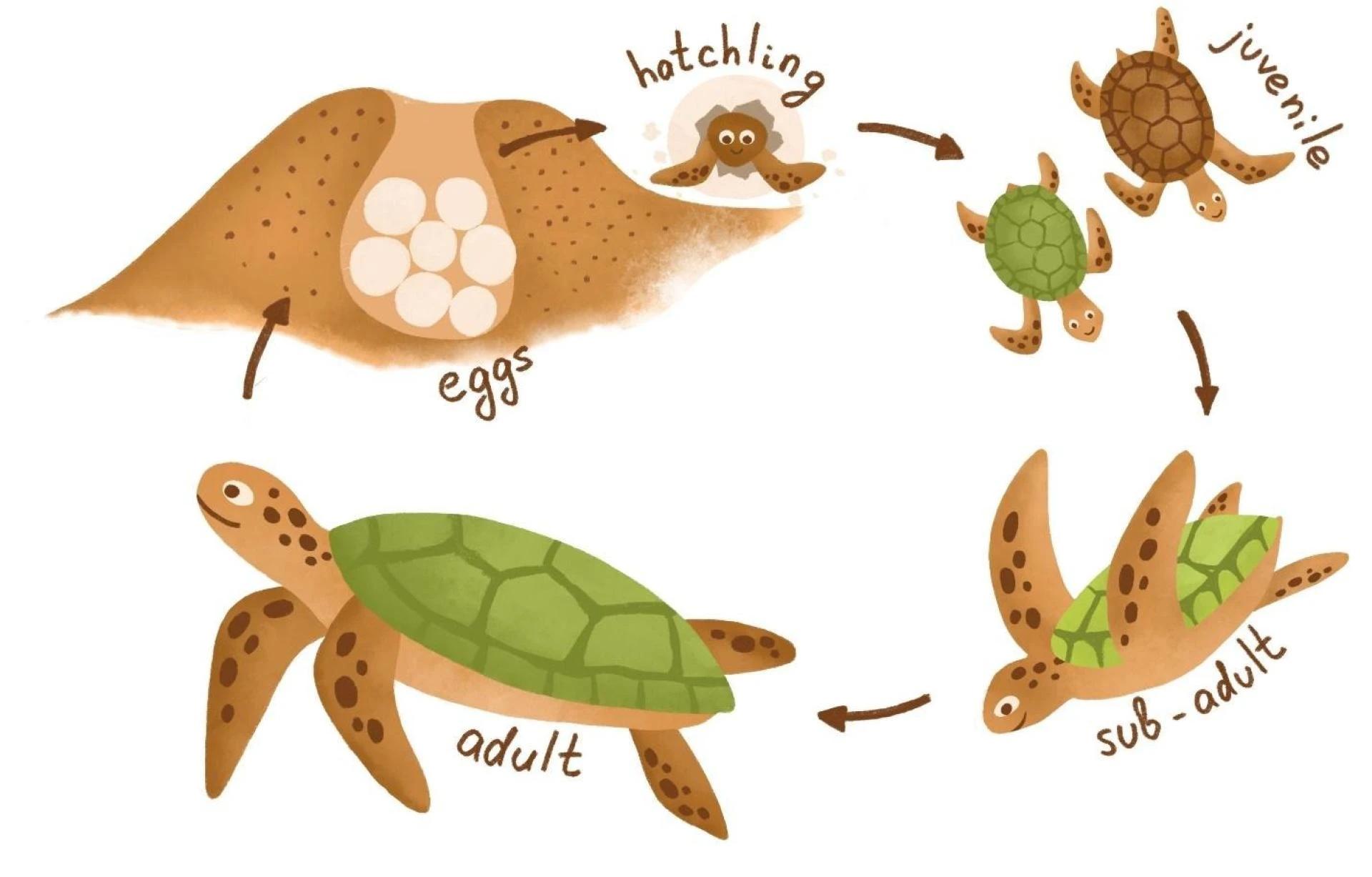
While the reef fish are a constant presence, the larger, more elusive creatures are what truly excite divers. Sea turtles, particularly the green and hawksbill species, are common sightings at many of the sites and are often found resting on the seafloor or gliding gracefully through the water. It is not uncommon to see large schools of barracuda and trevally, which form spectacular tornado-like formations. For many divers, the ultimate highlight is a chance encounter with a whale shark. These majestic, gentle giants of the ocean visit the deeper pinnacle sites during certain times of the year, offering a truly breathtaking experience.
Macro Life and Hidden Gems
For those with a keen eye, the reefs of Koh Tao are a treasure trove of smaller, often overlooked creatures. A careful look into the nooks and crannies of the coral and rocks can reveal a world of macro life. You can spot a wide variety of nudibranchs, with their incredible colors and patterns, as well as several species of shrimp and crabs. This is where the patient diver is rewarded, as they discover the tiny, intricate details that make up the rich biodiversity of the reef.
Beyond the Natural Reefs: Artificial Habitats
The local dive community in Koh Tao has not only focused on exploring the natural reefs but has also actively participated in creating new habitats to support marine life and relieve pressure on natural sites.
The Purpose of Artificial Reefs
A testament to the island's commitment to conservation, several artificial reefs have been created around Koh Tao. These projects, often led by local dive centers and conservation groups, involve strategically placing purpose-built structures or even sinking decommissioned vessels, like the HTMS Sattakut, a retired Thai navy ship. These structures provide new surfaces for coral to colonize and create new habitats for marine life, effectively relieving pressure on the natural reefs. These artificial reefs have become thriving ecosystems in their own right, offering a unique and educational diving experience that highlights the positive impact of human intervention.
A Commitment to Conservation
The dive community in Koh Tao is deeply committed to preserving the underwater environment that is the heart of the island's identity. This dedication is visible in the many local conservation initiatives.
Local Initiatives and Responsible Diving
The diving industry works closely with marine biologists and environmental groups to protect the reefs. Projects include coral restoration efforts, where coral fragments are grown in nurseries and then transplanted onto damaged reefs. There are also regular underwater and beach cleanups, as well as educational programs for both locals and tourists. As a diver, you become part of this effort simply by practicing responsible diving, such as maintaining good buoyancy control to avoid damaging the coral and refraining from touching or disturbing marine life. This collective commitment ensures that the reefs of Koh Tao remain healthy for future generations to enjoy.
Conclusion
The experience of diving in Koh Tao is about so much more than a course or a certification. It is an opportunity to immerse oneself in a living, breathing ecosystem that is as vibrant as it is beautiful. From the diverse coral formations to the incredible array of marine life, every dive offers a unique adventure and a deeper appreciation for the ocean. By choosing to dive here, you are not only witnessing a flourishing underwater world but also contributing to a community that is passionate about protecting it. It is this combination of natural beauty, incredible diversity, and a strong sense of conservation that makes Koh Tao a truly unforgettable diving destination.
FAQs
What is the visibility like in Koh Tao?
Visibility in Koh Tao is generally excellent year-round, typically ranging from 15 to 30 meters (50 to 100 feet). The best visibility is often found from March to May and again from September to October, though it can vary based on weather and rainfall.
What is the best time of year to see different marine life?
While most marine life can be seen year-round, some species have peak seasons. Whale sharks are most commonly sighted from March to May and from September to October. Other pelagic fish are also more common during these periods. Sea turtles are regularly seen throughout the year, but the calmer months often provide the best conditions for spotting them.
Are there a lot of sharks? Are they dangerous?
Koh Tao is home to blacktip reef sharks, which are a common and exciting sight at sites like Shark Bay. These sharks are generally shy and pose no threat to divers. Seeing them is a highlight of any dive, and they are an important indicator of a healthy reef ecosystem.
Can I help with local marine conservation efforts?
Yes, many of the dive schools on Koh Tao have their own conservation programs. You can participate in a variety of activities, from a simple one-day reef cleanup to a full internship focused on coral restoration and data collection. These opportunities allow divers to give back to the environment they enjoy.