


In today’s fast-paced world, achieving balance—both physical and mental—has become more essential than ever. Whether you're looking to improve your posture, increase core strength, or simply find a form of exercise that refreshes your mind and body, Pilates offers a holistic approach to fitness that can benefit people of all ages and fitness levels.
Originating in the early 20th century, Pilates was developed by Joseph Pilates as a system of exercises designed to strengthen the human body while emphasizing core strength, posture, and controlled breathing. Over the decades, this form of exercise has evolved and grown in popularity worldwide, especially in urban health-conscious communities, with rising interest in wellness and mindful movement—such as those exploring Pilates training Dubai.
What Makes Pilates Unique?
Unlike many traditional workout routines that focus primarily on muscle mass and endurance, Pilates takes a comprehensive approach. The focus is on controlled, deliberate movements that engage deep muscle layers, especially the core muscles—commonly referred to as the powerhouse. This group includes the abdominal muscles, lower back, hips, and glutes.
Key elements that make Pilates distinctive include:
- Concentration: Each movement requires full attention to ensure precision and quality.
- Control: Exercises are performed with smooth, deliberate movements rather than uncontrolled reps.
- Centering: Everything begins from the core, providing stability and strength for the entire body.
- Breath: Proper breathing techniques are integral, helping oxygenate muscles and guide movement.
- Flow: Exercises are designed to transition smoothly, promoting grace and coordination.
Benefits of Pilates for the Body and Mind
1. Core Strength and Stability
Pilates is perhaps best known for its emphasis on core strengthening. A strong core enhances balance, improves posture, and supports the spine, reducing the risk of injuries in daily activities and other forms of exercise.
2. Improved Posture
Bad posture is a modern epidemic, especially among people who spend hours in front of screens. Pilates promotes alignment and awareness of body mechanics, helping correct postural imbalances and alleviating tension from the neck, shoulders, and back.
3. Flexibility and Mobility
The controlled, dynamic movements of Pilates encourage increased flexibility and joint mobility. Unlike static stretching, Pilates works within your active range of motion, helping to lengthen muscles without compromising strength.
4. Injury Prevention and Rehabilitation
Many physical therapists recommend Pilates as a rehabilitative tool for injuries. Its low-impact nature and focus on alignment and control make it ideal for individuals recovering from surgery or chronic pain issues, especially in the back and joints.
5. Stress Relief and Mental Clarity
Pilates incorporates elements of mindfulness, requiring full attention to the body’s movement and breath. This meditative quality helps reduce stress, enhance focus, and promote a sense of calm.
6. Enhanced Athletic Performance
From runners to dancers and swimmers, athletes across disciplines use Pilates to enhance their performance. It builds muscular endurance and balance, improves coordination, and strengthens underused muscle groups that are critical for peak performance.
Who Can Do Pilates?
One of the greatest advantages of Pilates is its accessibility. It can be tailored to suit various fitness levels, from complete beginners to seasoned athletes. It is especially beneficial for:
- Seniors: Helps with balance, mobility, and fall prevention.
- Postpartum women: Aids in regaining core strength and pelvic floor stability.
- Office workers: Alleviates back and neck strain from prolonged sitting.
- Athletes: Complements intensive training routines by improving overall body mechanics.
Additionally, Pilates can be practiced on a mat with minimal equipment or on specialized apparatus like the Reformer, which adds resistance for a more intense workout.
Mat Pilates vs. Equipment-Based Pilates
There are two main types of Pilates practice:
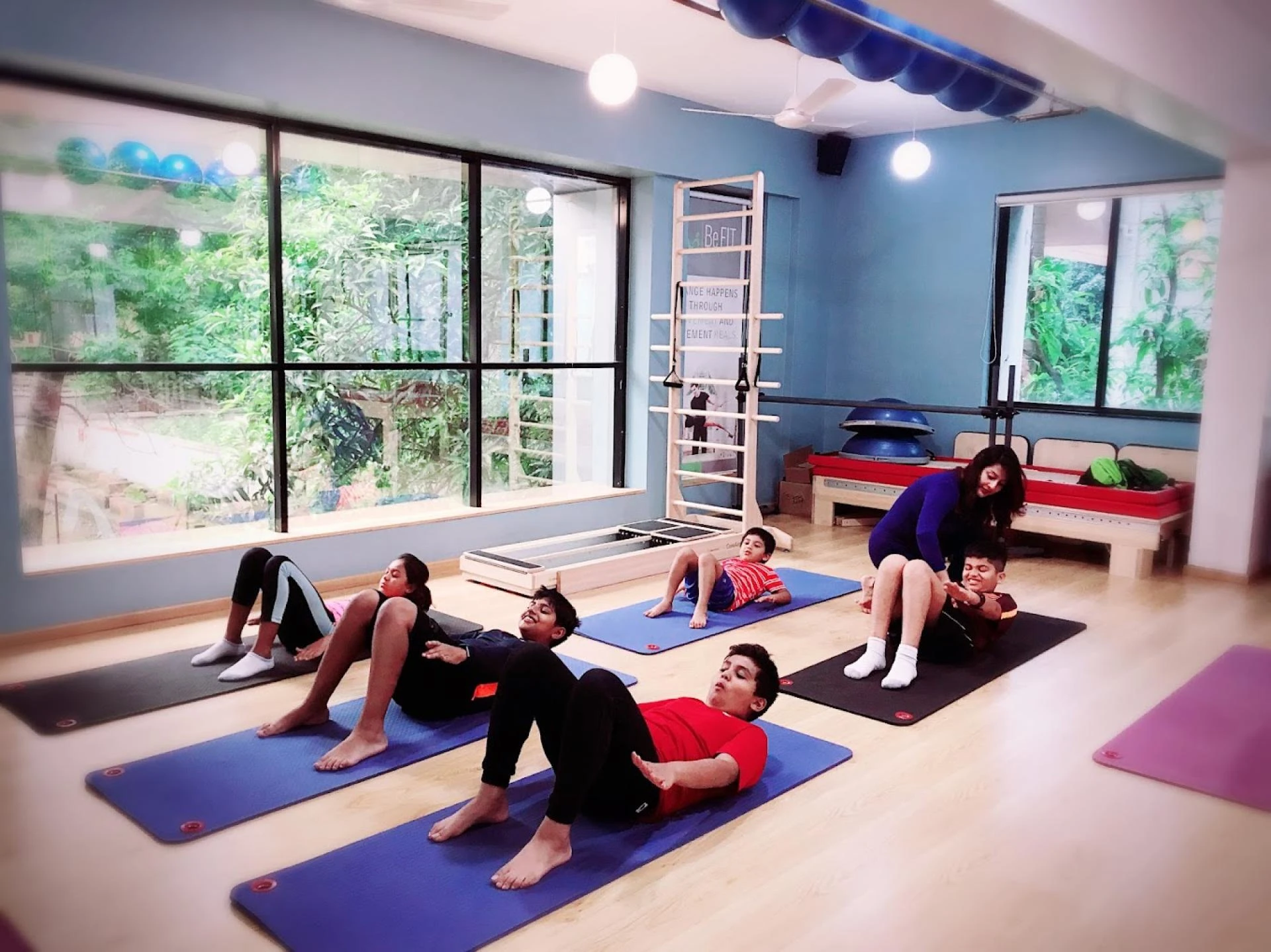
- Mat Pilates: Performed on a yoga mat with bodyweight and minimal props like bands, rings, or small balls. It’s accessible, budget-friendly, and great for beginners.
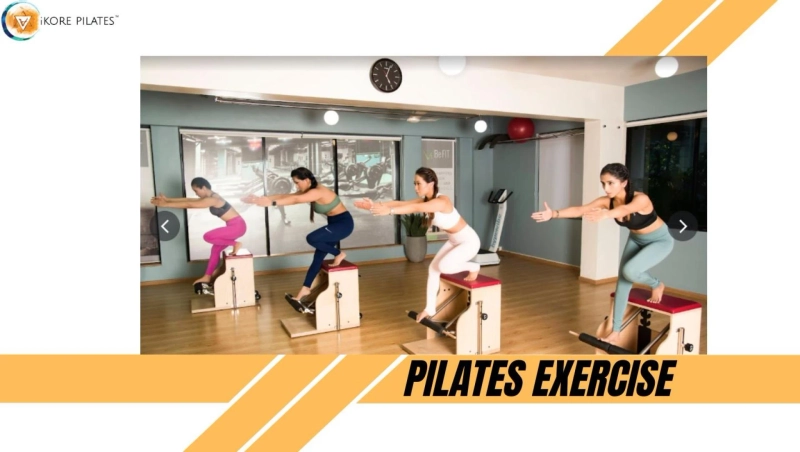
- Equipment-Based Pilates: Uses machines like the Reformer, Cadillac, or Wunda Chair. These offer added resistance and support, allowing for a broader range of exercises and increased challenge.
Both forms are effective, and the choice depends on your fitness goals, physical condition, and personal preference.
How Often Should You Do Pilates?
For best results, consistency is key. Experts generally recommend practicing Pilates 2-4 times per week. Beginners may start with two sessions per week to allow the body to adapt and build muscle awareness. Over time, as the body grows stronger and more accustomed to the movements, frequency can increase.
It’s not about quantity but the quality of movement. Even a short, focused 20-minute session can yield substantial benefits when done mindfully.
What to Expect in a Pilates Session
A typical Pilates session, whether in a group class or private training, starts with a warm-up that emphasizes breathing and gentle core engagement. This is followed by a series of exercises that target different muscle groups, with a strong emphasis on alignment and control. Sessions usually end with a cool-down that promotes relaxation and flexibility.
Classes can vary in intensity and format. Some may be more rehabilitative and slow-paced, while others incorporate cardio elements or equipment for greater challenge.
Getting Started with Pilates
If you’re new to Pilates, it’s wise to begin under the guidance of a certified instructor who can assess your body, correct your form, and tailor exercises to your needs. This is especially important if you have any medical conditions or past injuries.
As you grow more confident and experienced, you can practice at home using online resources, apps, or instructional videos. However, maintaining correct form is crucial to prevent strain and maximize effectiveness.
Final Thoughts
Pilates is not just a fitness trend—it’s a time-tested method for nurturing your body and mind in harmony. With consistent practice, it improves strength, flexibility, balance, and mental clarity. Whether your goal is rehabilitation, fitness, or mindfulness, Pilates offers a sustainable and intelligent path toward overall well-being.
As interest in wellness continues to grow globally, more people are discovering the transformative benefits of this mindful movement practice. For those exploring Pilates training Dubai, the city’s vibrant wellness community provides ample opportunity to embrace this enriching discipline.