


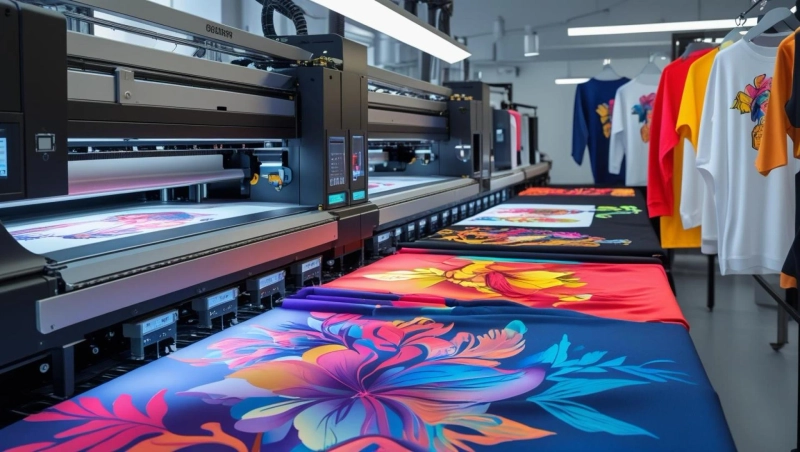
Fashion is not just about clothes anymore—it is about creativity, technology, and personal expression. Over the last few years, garment printing solutions have gone through a major transformation. Traditional printing methods like screen printing were once the backbone of the industry, but now advanced technologies such as Direct-to-Garment (DTG) printing and Digital fabric printing are taking over.
At dtg pro, we believe in exploring these new technologies and helping brands, businesses, and designers create apparel that is modern, stylish, and profitable. Let us take you through this exciting journey of the garment printing revolution.
What is Direct-to-Garment (DTG) Printing?
DTG printing is a modern method where a printer directly sprays the ink onto the fabric—just like how an inkjet printer prints on paper. Instead of using multiple steps like in screen printing, DTG allows you to print detailed, colorful designs directly on T-shirts, hoodies, or any cotton-based garment.
- Works best on cotton and blended fabrics.
- Produces bright, photo-quality prints.
- Perfect for small orders and personalized products.
- Eco-friendly because it uses less water and fewer chemicals.
For Indian entrepreneurs, this is a big advantage. You no longer need to print 1,000 T-shirts to make a profit. Even if you want to print just 5 T-shirts with different designs, DTG printing makes it possible.
Beyond DTG – The Role of Digital Fabric Printing
While DTG is excellent for custom T-shirts and small runs, Digital fabric printing is another technology that is changing the entire textile industry. Unlike traditional block printing or rotary screen printing, this method allows designs to be printed directly on fabric rolls using advanced inkjet technology.
- Ideal for sarees, dupattas, dress materials, and upholstery.
- Allows unlimited design possibilities with vibrant colors.
- Faster turnaround time compared to traditional methods.
- Suitable for both small designers and large textile mills.
Indian designers are increasingly turning to Digital fabric printing to create unique collections without worrying about high costs. For example, a boutique in Mumbai can print limited-edition fabrics with traditional motifs, while a fashion house in Delhi can experiment with modern, digital-inspired patterns—all thanks to this technology.
Why are Garment Printing Solutions Evolving So Fast?
The shift towards advanced garment printing solutions is driven by three major factors:
- Personalization Demand – People now want clothes that reflect their own personality. From wedding T-shirts to corporate uniforms, customization is the new trend.
- E-commerce Boom – Online platforms like Amazon, Flipkart, and Myntra have increased the demand for quick and creative garment printing. Sellers need DTG and Digital fabric printing to keep up.
- Sustainability Pressure – The fashion industry is one of the biggest polluters. New technologies use eco-friendly inks, reduce wastage, and cut down water consumption.
With dtg pro, businesses can explore printing options that not only match market demand but also keep the environment safe.
DTG vs. Traditional Printing – What’s the Difference?
FeatureTraditional Screen PrintingDirect-to-Garment (DTG)Minimum OrderHigh (50–100 pieces)Low (even 1 piece)ColorsLimitedUnlimitedSetup CostHighLowDesign DetailBasicPhoto-realisticEco-friendlinessModerateHigh
This simple comparison shows why DTG printing is gaining so much attention. Indian startups and fashion brands can save money, reduce waste, and deliver exactly what customers want.
Benefits of Digital Fabric Printing for India
India is famous for its rich textile heritage, but Digital fabric printing has added a modern twist to it. Here’s why it is booming in India:
- Cost-effective for small runs – No need to spend lakhs on screen setups.
- Supports regional designs – Artists from Jaipur, Surat, and Kolkata can create digital versions of traditional block prints.
- Global opportunities – Designers can sell unique printed fabrics worldwide via online stores.
- Eco-friendly – Less water, less waste, and safer inks compared to traditional dyeing.
This is why garment printing solutions like DTG and digital printing are not just for big brands—they are for every local designer, boutique owner, and entrepreneur in India.
How dtg pro Helps in This Printing Revolution
At dtg pro, our goal is to provide businesses with the best garment printing solutions available. Whether you are a small startup wanting to sell custom T-shirts online, or a large manufacturer looking for Digital fabric printing technology, we bring expertise, quality, and innovation to the table.
We guide businesses through:
- Choosing the right printing method for their needs.
- Accessing world-class machines and inks.
- Learning techniques to reduce costs and improve profits.
- Scaling production without compromising quality.
With our support, Indian entrepreneurs can confidently enter the growing custom apparel and textile market.
The Future of Garment Printing in India
The next 5–10 years will be very exciting for the Indian fashion and textile industry. As demand for garment printing solutions grows, more businesses will shift towards DTG and Digital fabric printing because of their flexibility, quality, and eco-friendly benefits.
We will see:
- More small businesses creating custom fashion brands.
- Larger companies adopting sustainable printing methods.
- Local designs getting international recognition.
- Better opportunities for artists and designers to monetize their creativity.
At dtg pro, we strongly believe this printing revolution is just the beginning.
Conclusion
The future of fashion is personalized, eco-friendly, and tech-driven. With Direct-to-Garment (DTG) printing and Digital fabric printing, businesses now have powerful tools to create high-quality designs without huge investments.
Whether you are a startup in Bengaluru, a boutique in Mumbai, or a textile house in Surat, modern garment printing solutions can help you grow. At dtg pro, we are committed to being your partner in this exciting journey of innovation and creativity.