



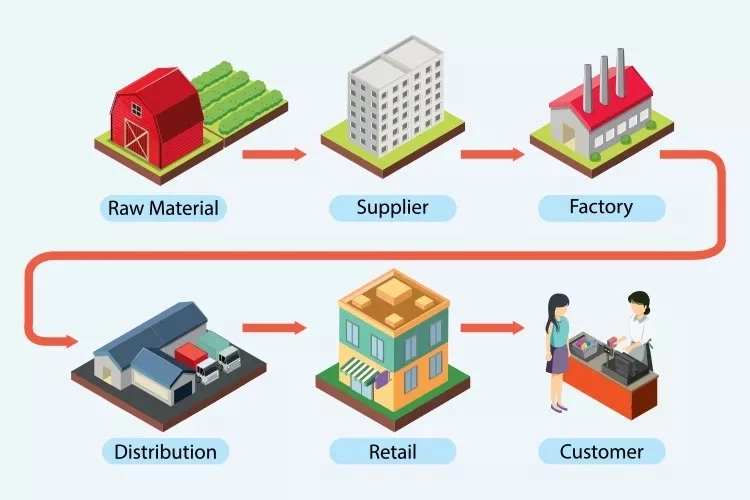
In today’s fast-paced business environment, supply chains are no longer just support functions—they are strategic assets that determine a company’s competitiveness, customer satisfaction, and long-term growth. Over the last decade, a massive transformation has taken place in how businesses plan, manage, and optimize their supply chains. This shift—from manual, linear, traditional systems to intelligent, automated, and digitally interconnected systems—has opened doors to unprecedented efficiency and resilience.
For businesses looking to stay ahead, especially in fast-growing hubs like Supply Chain Management in Noida, adopting digital transformation has become a necessity rather than an option.
The Rise of Digital Supply Chain Management
Traditional supply chain systems were centered around reactive decision-making. Processes were siloed, information was manually recorded, and visibility across the supply chain was limited. Digital Supply Chain Management (DSCM), on the other hand, integrates technology at every stage—procurement, production, logistics, warehousing, and customer delivery—to create a more connected, transparent, and efficient system.
With technologies like IoT, AI, blockchain, robotics, and predictive analytics, DSCM ensures real-time data flow, faster communication, automation of repetitive tasks, and proactive decision-making. This transition has revolutionized the way organizations operate and has made them far more competitive.
Traditional vs Modern Supply Chain Systems
1. Data Management: Manual vs Real-Time Intelligence
Traditional supply chains depend heavily on manual documentation and human intervention. Spreadsheets, email communication, and handwritten logs made processes slow and error-prone.
Modern digital systems leverage:
- Cloud-based data storage
- IoT-enabled sensors
- AI-powered insights
- Predictive analytics
Real-time visibility helps companies respond quickly to disruptions, forecast demand accurately, and optimize resource allocation. This is especially useful for industries dealing with complex operations, such as manufacturing and e-commerce in Noida.
2. Communication: Siloed vs Integrated
In traditional setups, information flowed slowly across departments, causing delays and misalignment. For example, production teams may not have immediate updates from procurement or logistics, leading to stockouts or inefficiencies.
Digital supply chain management integrates all stakeholders through unified platforms such as:
- SCM software
- ERP systems
- Real-time dashboards
- Advanced communication tools
This integration eliminates silos and fosters collaboration across the entire supply chain network.
3. Decision-Making: Reactive vs Predictive
Traditional supply chains relied on historical data and intuition. Decision-making often occurred after an issue had already taken place.
- Digital systems use:
- Predictive analytics
- AI and machine learning
- Scenario planning tools
These enable businesses to anticipate potential disruptions, manage risks proactively, and optimize outcomes. Predictive decision-making is now a crucial differentiator for companies seeking efficient Supply Chain Management in Noida and other industrial regions.
4. Inventory Management: Excess vs Optimized
Traditional inventory management tended to result in overstocking, understocking, or frequent shortages due to lack of accurate forecasting.
Modern systems enable:
- Automated replenishment using real-time data
- RFID and barcode tracking
- IoT sensors for stock monitoring
- Warehouse robotics for speed and accuracy
This results in reduced carrying costs, higher turnover rates, and better profitability.
Key Technologies Transforming Modern Supply Chains
1. Artificial Intelligence (AI) and Machine Learning
AI helps businesses achieve deeper insights, automate decision-making, and optimize supply chain operations. From demand forecasting to route optimization, AI improves accuracy and efficiency.
2. Internet of Things (IoT)
IoT devices enable real-time tracking of goods, equipment, and processes. Sensors can monitor everything—from temperature-sensitive shipments to equipment health—making operations more efficient and safer.
3. Blockchain
Blockchain ensures transparency and security across the supply chain by creating tamper-proof records. It helps verify product authenticity, manage transactions, and track shipment data with greater accuracy.
4. Robotics and Automation
Warehouses and manufacturing units are increasingly using robotics to speed up production, reduce errors, and enhance safety. Automated Guided Vehicles (AGVs) and robotic arms have become integral to modern supply chain systems.
5. Cloud Computing
Cloud-based SCM solutions provide flexibility, scalability, and seamless integration across global networks. Businesses can access critical data from anywhere, anytime.
Benefits of Digital Supply Chain Management
1. Enhanced Visibility
With digital tools and real-time insights, businesses can track every component of their supply chain, improving transparency and reducing uncertainties.
2. Improved Efficiency and Productivity
Automation eliminates repetitive manual tasks, reduces human errors, and optimizes workflow, resulting in faster and more reliable operations.
3. Cost Reduction
Smart forecasting, optimized inventory, and efficient resource allocation significantly lower operational costs.
4. Better Customer Experience
Accurate demand planning ensures timely deliveries, fewer stockouts, and better service quality, enhancing customer loyalty.
5. Greater Agility and Resilience
Digital supply chains can quickly adapt to market changes, disruptions, and global challenges, ensuring business continuity.
The Growing Importance of Digital Supply Chain Management in Noida
Noida has become a rapidly expanding industrial and commercial powerhouse. With booming sectors such as electronics, retail, logistics, and manufacturing, the region's supply chain needs have grown significantly.
Businesses focusing on Supply Chain Management in Noida are increasingly adopting digital transformation to:
- Manage high-volume operations
- Optimize logistics in dense industrial corridors
- Improve coordination between suppliers and distributors
- Keep pace with e-commerce growth
- Enhance overall operational performance
Digital supply chains are helping Noida-based companies compete not just nationally but globally.
Challenges in Transitioning to Digital Supply Chains
While the benefits are immense, companies may face several challenges during transformation:
1. High Implementation Cost
Adopting new technologies requires investment in infrastructure, software, and training.
2. Skill Gap
Organizations need skilled professionals capable of managing digital systems and data analytics.
3. Integration Issues
Connecting new digital systems with legacy software can be complex.
4. Cybersecurity Threats
Increased digitalization also increases vulnerability to data breaches and cyber risks.
How Companies Can Successfully Transition
1. Start with Clear Objectives
Identify the specific goals—cost reduction, faster delivery, improved visibility, etc.
2. Choose the Right Technology
Not every technology is required. Select tools aligned with business needs.
3. Train the Workforce
Upskilling employees is critical to ensuring successful implementation.
4. Partner with Experts
Collaborating with supply chain consultants or technology providers can speed up the transition.
5. Implement Gradually
Start with small digital projects and scale gradually to minimize risk.
The evolution from traditional to digital supply chain management marks a major turning point for industries worldwide. Digital systems enable stronger connectivity, smarter decision-making, and improved overall performance. For businesses seeking efficient and scalable Supply Chain Management in Noida, embracing digital transformation is the way forward. The future of supply chains lies in automation, intelligence, and continuous innovation—and those who adapt early will lead the next wave of growth.