


The food industry is constantly evolving, and one of the fastest-growing segments is the dessert trailer business. Combining mobility, creativity, and affordability, dessert trailers are becoming a favorite choice for both entrepreneurs and customers. From ice creams and waffles to churros and milkshakes, dessert trailers offer irresistible treats while keeping startup costs low. For anyone looking to enter the food business, a dessert trailer can be a sweet and profitable opportunity.
What Is a Dessert Trailer?
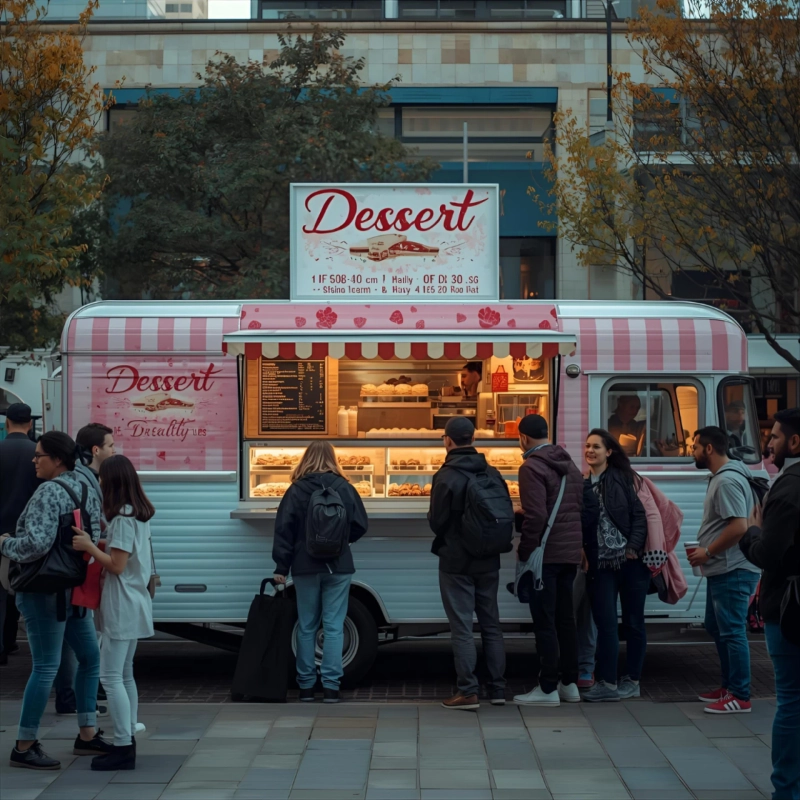
A dessert trailer is a mobile food unit designed specifically to prepare and sell desserts. Unlike traditional restaurants, dessert trailers operate on wheels and can be moved to high-traffic areas such as festivals, shopping streets, college campuses, food parks, and private events. These trailers are usually towed by vehicles and are fully equipped with essential appliances like freezers, griddles, refrigerators, and display counters.
Dessert trailers allow business owners to serve freshly prepared sweets while reaching customers wherever demand is highest.
Why the Dessert Trailer Business Is So Popular
The popularity of dessert trailers has grown rapidly due to their low investment and high profit potential. Compared to opening a dessert café or bakery, a trailer requires significantly less capital. There are no high rental costs, expensive interiors, or long-term lease commitments.
Another reason for their success is customer demand. Desserts are impulse purchases, and mobile setups attract attention instantly. Bright branding, tempting aromas, and visually appealing desserts make people stop and buy. Social media has further boosted the popularity of dessert trailers, as customers love sharing photos and videos of creative sweet treats.
Types of Desserts Sold in Trailers
One of the biggest advantages of a dessert trailer is menu flexibility. Some popular dessert options include:
Ice creams and gelatos
Waffles, pancakes, and crepes
Churros and doughnuts
Milkshakes and smoothies
Cakes, brownies, and pastries
Traditional and regional sweets
You can focus on a single specialty or offer a mix of desserts to appeal to a wider audience. Limited menus also help maintain quality and speed of service.
Benefits of Starting a Dessert Trailer Business
A dessert trailer business offers several benefits for new and experienced entrepreneurs. The lower startup cost reduces financial risk, making it easier to enter the market. Mobility allows owners to test different locations and identify profitable spots without being tied to one place.
Operating a dessert trailer also requires fewer staff members, which keeps operational costs low. With the right menu and efficient workflow, a small team can handle high customer volumes. Additionally, dessert trailers are perfect for events like weddings, birthday parties, corporate gatherings, and festivals, providing extra income opportunities.
Key Requirements to Start a Dessert Trailer
Before launching a dessert trailer, it is important to meet local food safety regulations and licensing requirements. These may include food business registration, health permits, fire safety approvals, and parking permissions.
Investing in quality equipment is essential for smooth operations. Proper refrigeration, hygiene standards, and reliable power sources help maintain food quality and customer trust. Attractive trailer design and clear signage also play a crucial role in drawing attention.
Marketing and Branding for Dessert Trailers
Strong branding can make a dessert trailer stand out in a competitive market. A catchy name, vibrant colors, and eye-catching visuals create a memorable identity. Consistent branding across the trailer, packaging, and social media builds recognition and loyalty.
Digital marketing is especially effective for dessert trailers. Posting menu updates, special offers, and location details on social media platforms helps attract repeat customers. Online reviews and word-of-mouth recommendations further enhance credibility and visibility.
Challenges in the Dessert Trailer Business
Like any business, dessert trailers face challenges. Weather conditions can affect sales, especially in outdoor locations. Finding reliable spots with high foot traffic may require research and local permissions. Limited space inside the trailer also demands efficient planning and organization.
However, with smart location choices, a focused menu, and excellent customer service, these challenges can be managed successfully.
Conclusion
A dessert trailer is truly the sweetest mobile food business for aspiring entrepreneurs. With low investment, flexible operations, and growing demand for unique dessert experiences, dessert trailers offer an exciting path into the food industry. By combining creativity, quality ingredients, and strong marketing, a dessert trailer can become a profitable and rewarding venture. For those with a passion for sweets and business, this mobile dessert concept is a recipe for success.