



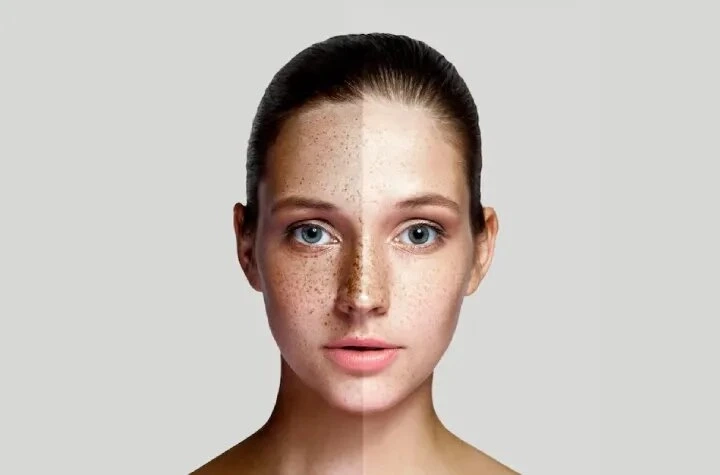
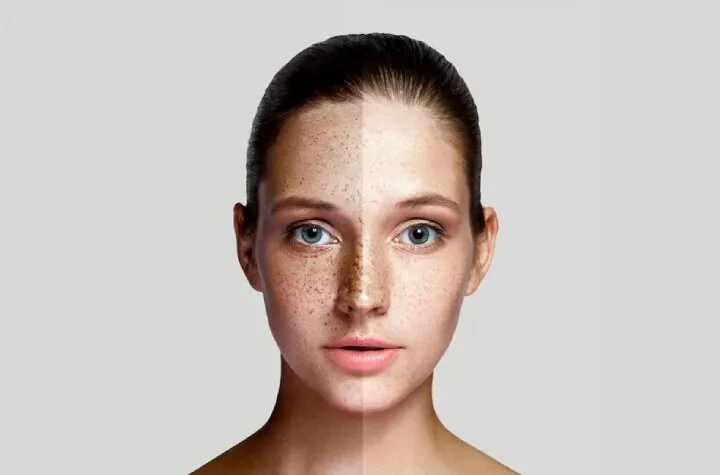
Dark patches, melasma, and uneven skin tone are common pigmentation disorders that can be upsetting. It affects your looks as well as your confidence. Fortunately, dermatologist-approved pigmentation treatment in Delhi can sort out these difficulties and deliver the best results for clearer, radiant skin. These treatments, ranging from topical solutions to advanced procedures and therapies, can significantly reduce pigmentation issues and help restore a balanced, even skin tone. In this blog, we will look at some of the most trusted and dermatologist-recommended treatments to make your skin appear brighter and more even in tone.
Expert-Recommended Treatments for Pigmentation
- Topical Products
Topical products are usually the first line of treatment for pigmentation problems. Skin experts suggest products containing vitamin C, retinoids, hydroquinone, and alpha hydroxy acids (AHAs). These work by stopping excessive melanin production and promoting skin rejuvenation, resulting in fading dark spots over time. Vitamin C can help reduce pigmentation caused by sun exposure and also brighten the complexion. Additionally, retinoids stimulate skin cell turnover, which fades dark spots and gives the skin a better texture.
These topical products can be included in your daily skincare routine to address pigmentation concerns. However, it is important to seek a dermatologist's opinion regarding the appropriate use of the products and their proper application. Selecting inappropriate products can sometimes lead to irritation or worsen the pigmentation. So, it is crucial to follow the guidance of a dermatologist when using topical treatments.
- Chemical Peels
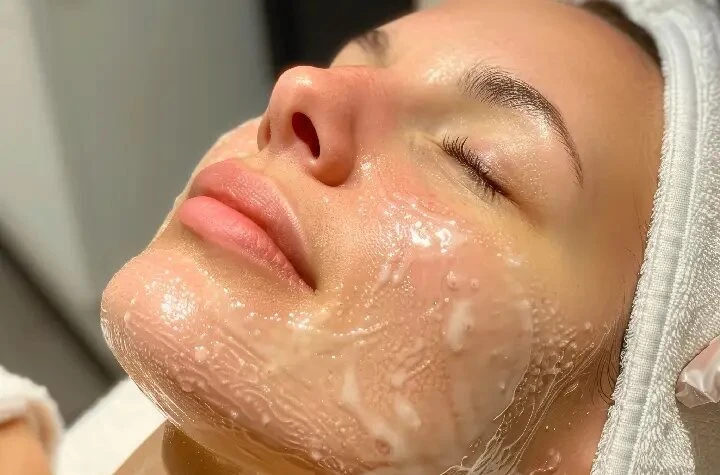
Chemical peel treatment refers to applying a chemical solution on the skin to dissolve the upper layers of the skin. It eventually leads to the microscopic exfoliation of the skin. Chemical peels work on the pigmentation caused mainly by sun exposure, acne scars, and melasma. Based on the condition’s severity, peels can be mild or superficial. More intense peels are used for stubborn pigmentation. The chemical peel procedure can be performed on the face or the body and will help achieve smooth and bright skin.
Chemical peel procedures must be performed by a skin specialist or under the supervision of a qualified dermatologist. Otherwise, they might result in severe reactions such as irritation or patchy pigmentation.
- Light or Laser Therapy
Laser treatments have become extremely popular in recent years because they can precisely target specific pigmentation issues. Lasers such as Fractional CO2 laser or Q-switched Nd: YAG laser can treat a variety of pigmentation concerns, including age spots, freckles, melasma, and post-inflammatory hyperpigmentation.
This method uses light energy to break the pigment particles inside the skin. Once it has broken, the fragments will be removed by the body's natural mechanisms. This can provide great results without much downtime. Still, it is recommended to ask your dermatologist if a laser is the proper treatment for your skin condition and pigmentation concern.
- Microdermabrasion
Microdermabrasion is a non-invasive treatment that involves the use of tiny exfoliating crystals. These crystals will gently remove dead skin cells from the outermost layer of the skin. It improves the skin texture and tone by stimulating collagen production and promoting skin regeneration. It is particularly useful for light pigmentation issues, such as age spots, acne scars, and uneven skin tone.
Although microdermabrasion is less intense than chemical peels and laser therapy, its results can still become noticeable with regular treatment sessions. It is quite convenient for people with a hectic schedule as it has no downtime. However, it should be done under the guidance of a dermatologist to ensure that it is appropriate for your skin type and the pigmentation problem.
- Microneedling
Microneedling is a term referring to tiny needles causing micro-injuries within the skin. This activates the healing cycle of the skin to promote the formation of collagen and elastin, making the skin appear smoother, more even-toned, and less pigmented.
Also, microneedling can be most useful in treating pigmentation resulting from acne, sun spots, or melasma. It is a minimally invasive treatment process usually conducted in multiple treatment sessions to get the desired results. This is an excellent option for those who want to treat pigmentation without chemical peel or laser treatment.
- Cryotherapy
Cryotherapy is a treatment that uses extreme cold to target and destroy damaged skin cells that are responsible for pigmentation issues. During the procedure, liquid nitrogen is applied to the affected areas, freezing and breaking down the pigmented cells. The body then naturally removes the damaged cells over time.
Cryotherapy is a common procedure for treating age spots, freckles, and other specific pigmentation issues. It's relatively quick and effective but might cause temporary redness or scabbing on the treated area. A trained dermatologist should only perform cryotherapy to ensure safety and optimal results.
Contact the Best Dermatologist in Delhi for Pigmentation
Pigmentation problems can be challenging but can be effectively managed with the right treatment plan. Various dermatologist-approved solutions are available to address pigmentation concerns, from topical products to advanced procedures like laser treatments and chemical peels. It is always best to consult a qualified skin professional to determine the best course of action for your skin type and condition.
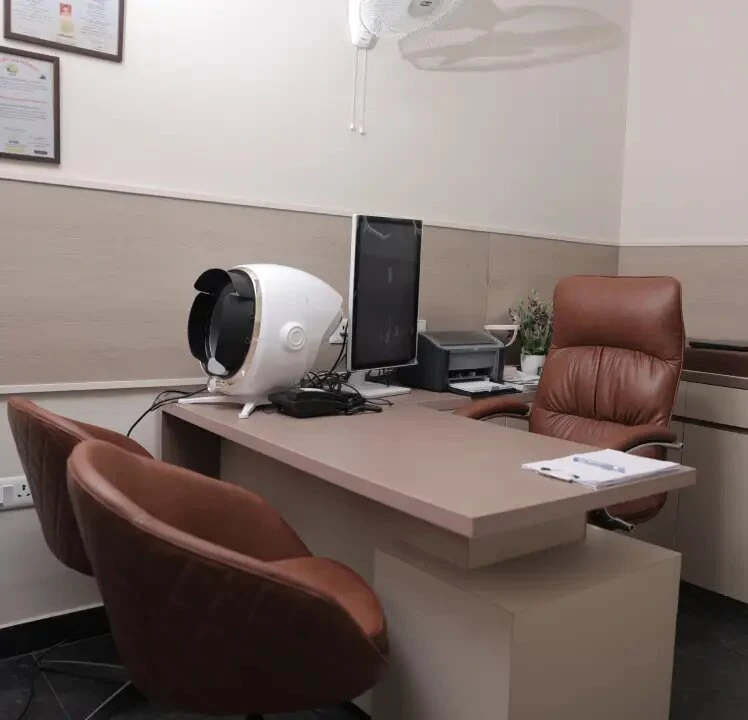
Those searching for the best dermatologist in Delhi can consult Delhi Wellness Clinics, which offers varied pigmentation treatments. Expert dermatologists carefully select and provide effective treatments at this advanced skin facility after proper evaluation. All the above-discussed procedures are available to address each patient's specific needs. To find out the best treatment that suits your concerns, schedule an appointment at Delhi Wellness Clinics today. Get the clear, healthy-looking skin you want!