



Introduction
Dermal filler injections are one of the most adaptable tools in aesthetic medicine. They restore volume, smooth creases, refine facial contours, and even enhance features like the lips or chin without surgery. When performed thoughtfully, filler should look like you on a good day—fresher, more balanced, and well rested—rather than obviously altered. This guide explains how fillers work, who benefits, what treatment involves, and how to plan for natural, safe results.
What dermal fillers are
Most modern fillers are based on hyaluronic acid, a water-binding molecule that naturally exists in skin and connective tissue. Manufacturers cross-link hyaluronic acid into gels with different firmness and flexibility so providers can match a product to a task: soft, stretchy gels for lips and fine lines; supportive, lift-capable gels for cheeks, chin, and jawline. Other families include calcium hydroxylapatite, which provides structure and stimulates collagen, and poly-L-lactic acid, which gradually thickens tissue by encouraging your body’s own collagen production. Your injector chooses among these options based on the area, your skin quality, and the result you want.
How fillers work beneath the surface
Aging affects bone, fat pads, ligaments, and skin. Bone remodels, fat pads deflate and descend, and the skin’s collagen and elastin thin. Fillers compensate for those layered changes by restoring support where it has been lost. Placing a small amount high on the cheek can rotate youthful light back toward the eyes and soften folds indirectly. A carefully structured chin strengthens the profile and tightens the jawline’s appearance. Because millimeters matter, conservative, precise placement usually produces the most believable outcome.
Who is a good candidate
Ideal candidates are healthy adults who want refinement rather than reinvention. Common goals include softening nasolabial folds, lifting marionette shadows, treating under-eye hollows in selected patients, restoring lip definition, and sharpening jawline transitions. People with significant skin laxity may still benefit, but they should understand that filler can camouflage descent only to a point; pronounced jowling or banding may require energy-based tightening or surgery for best results. Realistic expectations, stable health, and a willingness to follow aftercare all support a good experience.
Consultation and planning
A comprehensive consultation starts with listening. You and your provider identify what draws your eye in the mirror or on video, then examine how bone shape, fat distribution, skin quality, and muscle activity contribute. Standardized photos document the baseline. The injector explains options, projected syringe counts, expected longevity, and possible alternatives such as neuromodulators or lasers. The plan often prioritizes areas that influence overall harmony first—typically cheeks or chin—before treating lines created by motion or skin texture concerns. Clear pricing and a staged roadmap prevent surprises and help you budget.
What to expect on treatment day
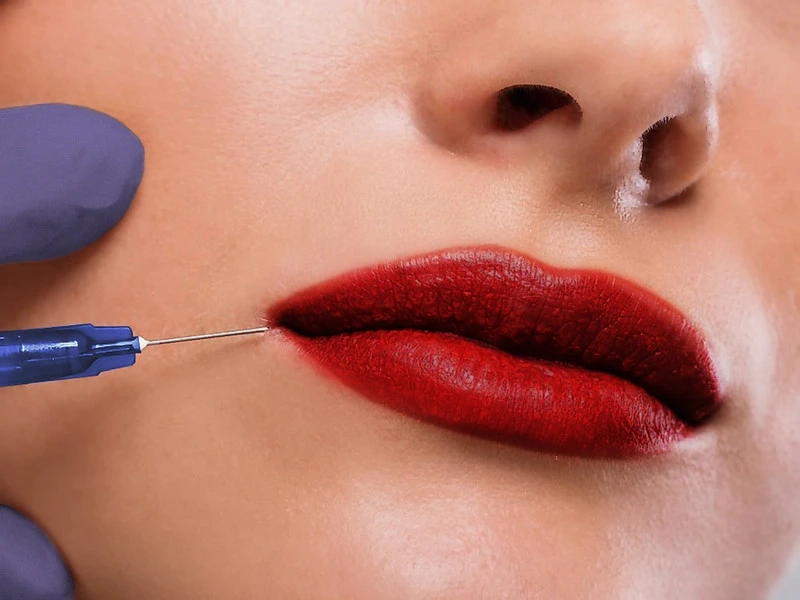
Most visits last 20 to 60 minutes depending on the number of areas. Your skin is cleansed and prepped with antiseptic, and topical numbing may be applied. Many hyaluronic acid fillers include lidocaine, which reduces discomfort as injections progress. Providers use either fine needles for pinpoint placement or flexible microcannulas to spread product smoothly with fewer entry points. You will be asked to relax and animate at different moments so the injector can confirm that volume sits correctly at rest and with expression. Gentle molding may be used to perfect transitions. Icing afterward helps calm swelling.
Techniques that influence results
Good results depend on more than the brand of filler. Depth of placement, plane selection, and vectoring—all the subtle choices about where and how product is layered—control lift, light reflection, and durability. In cheeks and chin, deeper, more structural placement creates support with fewer surface irregularities. Around the lips and fine lines, superficial micro-aliquots maintain softness. Along the jaw, firmer gels can create a crisp border that resists early spread. The best outcomes come from minimal effective volume, balanced across both sides, with frequent reassessment as each small change influences the next.
Comfort, safety, and precautions
Most patients describe filler injections as a series of quick pinches and pressure. Safety is paramount because the face contains vessels that must be respected. Choose a qualified medical professional who practices sterile technique, understands three-dimensional anatomy, and maintains emergency supplies such as hyaluronidase to dissolve hyaluronic acid if needed. Your provider should review your medical history and medications, particularly blood thinners and supplements that raise bruising risk. Transparent consent includes a discussion of common effects like swelling and tenderness as well as rare complications, including vascular occlusion and delayed inflammatory responses.
Areas commonly treated
Cheeks are a frequent starting point because subtle lift there refreshes the midface and softens folds without chasing each line. The tear trough area can be treated in carefully selected patients by supporting the lid-cheek junction; this region requires advanced expertise and conservative dosing. Around the mouth, fine perioral lines, marionette shadows, and downturned corners respond to delicate placement that restores structure without stiffness. Lips benefit from defined borders and gentle volume more than from sheer size. Along the lower face, chin and jawline work can counter early jowling and balance the profile. Small, strategic touches in the temples can smooth hollowing and improve upper-face harmony.
Immediate results and longevity
Results are visible right away, though early swelling can obscure final shape for a few days. Hyaluronic acid fillers typically last six to twelve months in mobile areas and nine to eighteen months in structural zones like cheeks or chin. Calcium hydroxylapatite and poly-L-lactic acid can persist longer due to collagen stimulation but build more gradually. Longevity varies with metabolism, activity level, and product selection. Many patients prefer a conservative first treatment followed by a refinement visit two to four weeks later to perfect symmetry once swelling has settled.
Aftercare and downtime
Expect mild swelling, pinkness, and tenderness for a day or two. Tiny lumps at entry points usually soften as the gel integrates. Sleep with your head elevated the first night if you tend to swell. Avoid vigorous exercise, saunas, or deep facial massage for 24 to 48 hours. Makeup is typically fine after 12 hours if the skin is intact. Your provider may suggest arnica or bromelain for bruising, but time remains the most reliable remedy. You should be given clear instructions for urgent concerns such as increasing pain, blanching or dusky skin, or visual symptoms, which require prompt contact.
Combining fillers with other treatments
Fillers work best as part of a comprehensive plan that addresses muscle activity and skin quality. Neuromodulators can relax motion lines on the forehead and around the eyes, often reducing how much filler is needed for etched creases. Energy-based treatments and resurfacing improve texture, pores, and pigmentation so restored volume reads as healthy skin rather than puffiness. Sequencing matters: many providers relax overactive muscles first, place filler once movement has softened, and then use lasers or peels when the skin is calm.
Risks and how they are mitigated
Common, expected effects include swelling, bruising, and temporary asymmetry while tissues settle. Less common issues include persistent nodules, infection, and delayed inflammatory reactions that may require medication. The most serious risk is intravascular injection, which is mitigated by anatomical mapping, cautious technique, use of blunt cannulas in high-risk zones, and immediate availability of reversal agents for hyaluronic acid products. Thoughtful patient selection also reduces risk; for example, a history of cold sores around the mouth may prompt preventive antiviral medication before lip injections.
Cost and value
Pricing is usually by the syringe, but true value reflects expertise, time, and a plan tailored to your face. Someone seeking a subtle lip refresh might need a single syringe, while full-face balancing that addresses cheeks, chin, and jawline may require several syringes staged over multiple sessions. Honest providers explain trade-offs, show representative before-and-after images for people with similar features, and encourage maintenance rather than extreme one-time changes. A well-designed program often includes periodic touch-ups to keep results consistent and budgets predictable.
Choosing the right injector
Credentials, case volume, and aesthetic judgment are equally important. Look for a licensed medical professional with advanced anatomy training and a portfolio demonstrating restraint as well as skill. During your visit, notice whether you feel heard, whether limitations are explained candidly, and whether alternatives are offered when filler is not the best option. A trustworthy injector welcomes questions, reviews safety steps, and provides direct contact instructions for after hours.
Setting realistic expectations
Fillers do not stop aging; they help you age in a more controlled way. Expect subtle changes that restore light and balance rather than erasing every line. Expect to maintain results with periodic treatments as your tissues and lifestyle evolve. Expect that friends may say you look rested or ask whether you changed your hair rather than guess you had injections. The most satisfying outcomes come from conservative adjustments that respect your natural structure and preferences.
Conclusion
Dermal filler injections are versatile, customizable, and, in skilled hands, remarkably natural-looking. Success depends on a thoughtful plan, precise technique, and a partnership between you and your injector. If you are considering treatment, start with a thorough consultation, prioritize the areas that most influence overall harmony, and proceed conservatively. With the right approach, fillers can align your appearance with how you feel—energized, confident, and authentically yourself.