



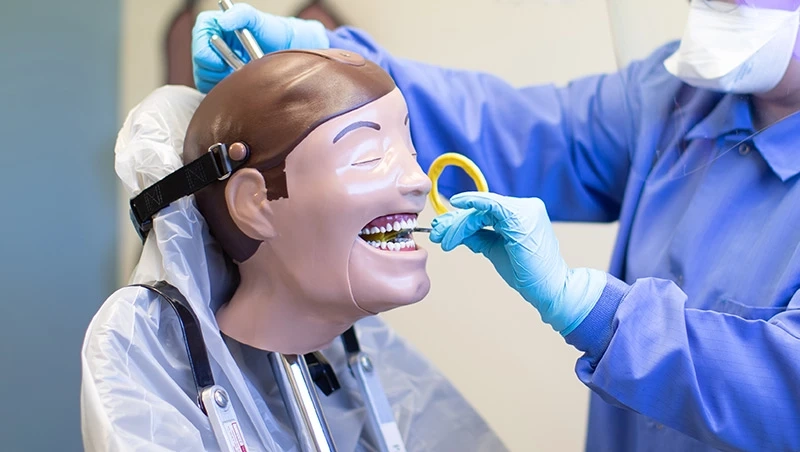
Choosing a career in dentistry can be exciting, but many students find themselves comparing roles before deciding on the right path. One of the most common questions is understanding the difference between dental assistant vs dental hygienist and learning how to become a dental hygienist. While both careers play essential roles in dental practices, their responsibilities, education requirements, and career paths differ significantly.
This guide breaks down those differences and explains how aspiring professionals can move toward becoming a dental hygienist.
Understanding the Role of a Dental Assistant
Dental assistants work closely with dentists to support daily clinical and administrative operations. Their responsibilities often include preparing treatment rooms, assisting during procedures, sterilizing instruments, taking dental X-rays, and helping patients feel comfortable.
Dental assisting programs are typically shorter and more hands-on, allowing students to enter the workforce quickly. This role is ideal for individuals who want fast entry into dentistry while gaining real-world clinical experience.
Understanding the Role of a Dental Hygienist
Dental hygienists focus more on preventive oral healthcare. Their duties include cleaning teeth, performing periodontal procedures, taking X-rays, educating patients about oral hygiene, and identifying early signs of dental issues.
When comparing dental assistant vs dental hygienist, hygienists generally have more clinical autonomy and responsibilities related to patient care. This expanded role requires more advanced education and licensing.
Dental Assistant vs Dental Hygienist: Key Differences
The primary difference between dental assistant vs dental hygienist lies in education, scope of practice, and career growth. Dental assistants typically complete certificate or diploma programs, while dental hygienists must earn an associate or bachelor’s degree in dental hygiene.
Dental hygienists also require state licensure, which includes passing national and clinical board exams. In contrast, dental assistants may pursue optional certifications depending on state regulations and career goals.
How to Become a Dental Hygienist?
For those wondering how to become a dental hygienist, the process usually begins with completing prerequisite coursework in science and general education. Next, students must enroll in an accredited dental hygiene program, which typically takes two to four years.
After completing the program, graduates must pass the National Board Dental Hygiene Examination and a state or regional clinical exam to obtain licensure. Continuing education is also required to maintain licensure throughout a hygienist’s career.
Why Many Start as Dental Assistants?
Many professionals begin their journey as dental assistants before pursuing dental hygiene. Working as a dental assistant provides valuable exposure to clinical procedures, patient care, and dental office workflows. This experience can make dental hygiene education more manageable and informed.
Understanding dental assisting first-hand also helps students decide if advancing toward dental hygiene aligns with their long-term goals.
Training Opportunities at Bay Area Dental Assisting Institute
Bay Area Dental Assisting Institute offers fast, affordable, and hands-on dental assistant training for individuals eager to enter the dental field. Located in League City, Texas, the institute provides a 10-week accelerated program that blends classroom instruction, clinical practice, and externship opportunities.
This training gives students, a strong foundation in dentistry, helping them gain confidence, real-world skills, and professional insight that can support future career advancement—including the pursuit of dental hygiene education.
Final Thoughts
When comparing dental assistant vs dental hygienist, both roles offer rewarding career opportunities in dentistry. Understanding how to become a dental hygienist helps students plan their education and career path more effectively. Whether starting as a dental assistant or pursuing hygiene directly, choosing quality training and gaining hands-on experience are key steps toward long-term success in the dental profession.