



DeFi has come a long way from the early days of yield farming hype and overnight liquidity inflows. By 2026, the DeFi ecosystem is more mature, more regulated, and far more competitive. Users are better informed, capital is more selective, and trust has become the most valuable asset a protocol can earn.
As a result, DeFi marketing services have fundamentally changed. What worked in earlier cycles no longer delivers sustainable growth. This article breaks down what’s changed in DeFi marketing by 2026 and which services actually work today.
Why DeFi Marketing Looks Different in 2026
In earlier cycles, attention alone could drive liquidity. In 2026, attention without trust does very little.
Modern DeFi marketing is:
- Trust-first rather than hype-driven
- Utility-focused instead of incentive-heavy
- Community-led rather than campaign-led
Marketing now plays a role in education, risk communication, and long-term adoption, not just visibility.
What No Longer Works in DeFi Marketing
Before looking at what works, it’s important to understand what has lost effectiveness.
Tactics that struggle in 2026 include:
- Short-term incentive farming without product depth
- Mass influencer promotions with little protocol understanding
- One-off announcements with no follow-through
- Vanity metrics like follower count or impressions
These approaches attract transient users, not long-term liquidity.
What DeFi Marketing Services Focus on Today
1. Narrative and Positioning Strategy
In 2026, every successful DeFi protocol has a clear answer to:
- What problem it solves
- Who it’s built for
- Why it’s safer, better, or more sustainable
DeFi marketing services help protocols refine messaging around:
- Risk and security
- Differentiation in crowded categories
- Long-term protocol vision
Clarity builds confidence.
2. Community-Led Growth and Education
DeFi users expect transparency and ongoing communication.
Modern services emphasize:
- Discord and Telegram education flows
- Community calls and technical AMAs
- Clear documentation and explainers
- Feedback loops with core contributors
Education reduces uncertainty and strengthens retention.
3. Content That Builds Trust, Not Hype
In 2026, content marketing in DeFi focuses on depth, not volume.
Effective content includes:
- Technical explainers
- Protocol design breakdowns
- Risk disclosures and updates
- Thought leadership from builders
This positions protocols as serious infrastructure, not speculative tools.
4. PR and Credibility-Driven Media Coverage
DeFi PR has shifted away from mass coverage toward selective credibility.
High-quality DeFi marketing services prioritize:
- Reputable crypto and fintech publications
- Well-structured announcements
- Long-term media relationships
- Transparent performance reporting
PR supports trust when used sparingly and strategically.
5. Influencer and KOL Alignment (Done Right)
Influencer marketing hasn’t disappeared but it’s more selective.
Successful services focus on:
- Micro KOLs with deep protocol understanding
- Educational content rather than promotion
- Long-term collaborations
- Regional expertise
Influence now works best when it educates, not sells.
6. Liquidity-Aware Growth Strategies
In DeFi, marketing and liquidity are tightly connected.
Modern DeFi marketing services coordinate:
- Launch messaging with liquidity readiness
- Communication during volatility
- Clear explanations of incentives and risks
The goal is stability, not short-lived spikes.
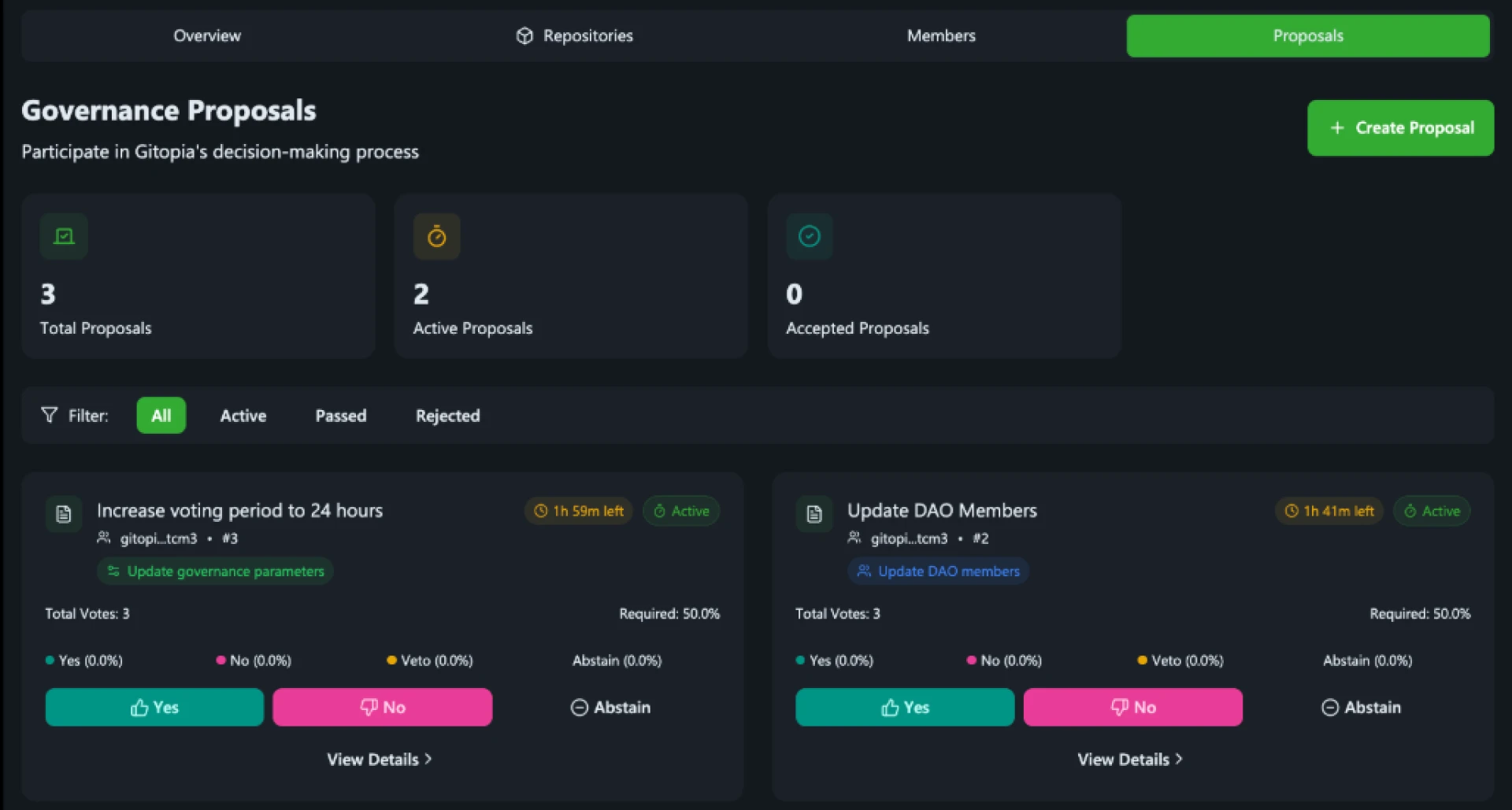
7. Governance, Transparency, and Ongoing Communication
Protocols are judged by how they communicate during uncertainty.
Marketing now supports:
- Governance participation
- Regular updates and disclosures
- Clear incident communication
- Long-term roadmap alignment
Trust compounds over time.
How DeFi Teams Choose Marketing Partners in 2026
DeFi teams increasingly evaluate services based on:
- Depth of protocol understanding
- Ability to communicate risk clearly
- Long-term strategic alignment
- Transparency in execution and metrics
Teams prefer partners who act as ecosystem contributors, not just promoters.
Common Mistakes DeFi Projects Still Make
Even in 2026, some projects struggle due to:
- Over-incentivizing early growth
- Treating marketing as a launch-only activity
- Ignoring community concerns
- Over-relying on short-term liquidity
These mistakes erode trust quickly.
Final Thoughts
DeFi marketing services in 2026 are no longer about driving volume at any cost. They are about building confidence, educating users, and supporting sustainable protocol growth.
The DeFi protocols that succeed are not the loudest they are the clearest, the most transparent, and the most consistent.
Marketing has become part of DeFi’s infrastructure.
And in 2026, infrastructure is what lasts.