



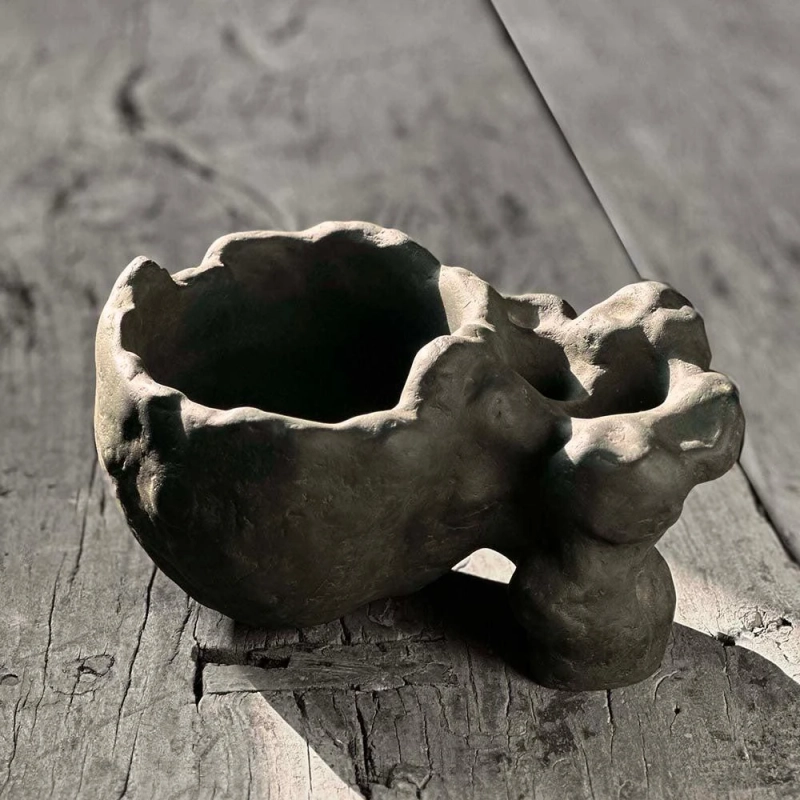
In the world of interior design, Decorative Objects play a vital role in turning a house into a home and a space into a story. These objects, ranging from elegant sculptures and artistic vases to vintage clocks and modern figurines, are the final touches that bring warmth, character, and visual interest to any environment.
What Are Decorative Objects?
Decorative objects are items primarily used to enhance the aesthetics of a space. While they may not always serve a functional purpose, they hold immense value in setting the mood, expressing personal style, and completing the overall design vision. Whether minimalistic or luxurious, rustic or contemporary, these objects can dramatically influence the feel of a room.
Common examples include:
- Sculptures
- Vases
- Candlesticks
- Bowls and trays
- Figurines
- Wall art pieces
- Antique collectibles
- Decorative mirrors
- Artistic lamps
Importance of Decorative Objects in Interior Design
1. Expressing Personal Style
Decorative objects allow individuals to showcase their personalities, passions, and life experiences. A collection of travel souvenirs, a curated bookshelf, or a gallery wall of photographs all tell unique stories about the people who live there.
2. Adding Visual Interest
They break the monotony of plain surfaces and flat colors. Whether through color, texture, or form, decorative items introduce variety and movement, making spaces more engaging.
3. Creating Focal Points
An oversized vase, a bold sculpture, or an intricate centerpiece can serve as a stunning focal point that draws the eye and anchors the room’s design.
4. Enhancing Theme and Harmony
Decorative objects help tie together the elements of a design theme, whether it’s coastal, bohemian, modern, or classic. By carefully selecting pieces that match or contrast stylishly, you can achieve a more cohesive look.
5. Seasonal and Festive Decor
They offer an easy and flexible way to update interiors with seasons or special occasions. A few well-placed festive ornaments can instantly transform a home for holidays or celebrations.
Trends in Decorative Objects
- Sustainable Materials: Eco-friendly items made of bamboo, recycled glass, and reclaimed wood are increasingly popular.
- Artisanal Pieces: Handmade crafts and local artistry add authenticity and uniqueness to spaces.
- Mixed Metals: Combining gold, silver, and bronze tones is trending for a chic, eclectic look.
- Organic Shapes: Natural, imperfect forms are favored for a softer, more welcoming feel.
- Minimalist Accents: Clean-lined, understated objects are key in modern and Scandinavian designs.
Tips for Styling Decorative Objects
- Group in Odd Numbers: Arranging objects in threes or fives tends to look more natural and pleasing.
- Vary Heights and Textures: Mixing tall, short, smooth, and rough items creates depth and interest.
- Leave Some Breathing Room: Avoid overcrowding; negative space is important to let pieces shine.
- Stick to a Color Palette: Cohesion in color helps maintain harmony without looking chaotic.
- Rotate Regularly: Refreshing decorative objects seasonally or annually keeps the space feeling new and inspired.
Conclusion
Decorative objects are much more than accessories; they are storytellers and mood-makers. With thoughtful selection and creative placement, they can transform any space, adding beauty, meaning, and vitality. Whether you favor timeless classics or bold contemporary pieces, decorating with intention can make your environment not just more attractive, but truly reflective of who you are.