



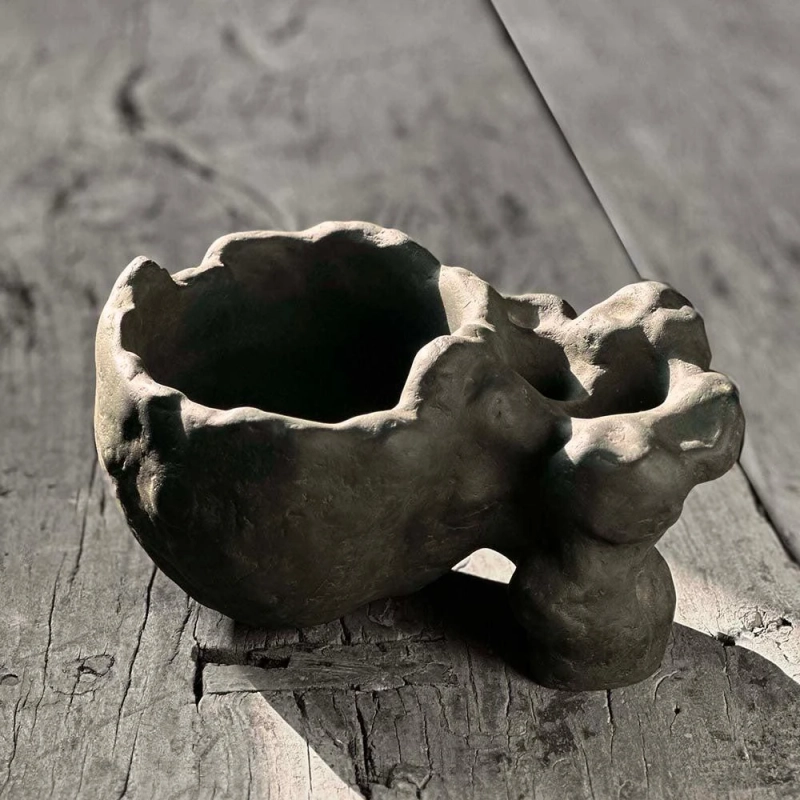
Decorative objects are the finishing touches that transform a house into a home. More than mere accessories, these elements add personality, texture, and visual interest to any space. Whether minimal or extravagant, modern or traditional, Decorative Objects bring life and character to your interiors, reflecting your taste and enhancing the overall ambiance.
What Are Decorative Objects?
Decorative objects encompass a wide range of items used to adorn and enhance interior spaces. These include:
- Vases and bowls
- Sculptures and figurines
- Candles and lanterns
- Trays and baskets
- Clocks and mirrors
- Wall hangings and photo frames
- Art pieces and collectibles
They can be crafted from various materials such as wood, glass, ceramic, metal, marble, or even fabric—each adding a distinct vibe to the space.
Why Decorative Objects Matter in Interior Design
1. Add Layers and Depth
Decorative accessories create visual interest by layering textures, shapes, and colors—making rooms feel complete and dynamic.
2. Express Personality
From travel souvenirs to handcrafted art, these items reflect your personality, culture, and experiences.
3. Balance and Harmony
Well-placed decorative objects help achieve balance in design, softening sharp lines or adding contrast where needed.
4. Seasonal and Mood-Based Styling
They allow you to refresh your décor easily—switching to warmer tones in winter or adding coastal accents in summer.
Popular Types of Decorative Objects and Their Uses
TypeUse/EffectVases & BowlsDisplay fresh flowers or act as standalone artSculptures & FigurinesAdd sophistication or playfulnessCandles & HoldersEnhance ambiance and scentTrays & BasketsCombine beauty with functionalityMirrors & ClocksAdd depth, light, and practicalityBooks & CollectiblesGive a personal, curated feel
Tips for Decorating with Objects
- Follow the Rule of Three
- Group objects in odd numbers, especially threes, for visual appeal.
- Mix Textures and Heights
- Combine rough and smooth surfaces, tall and short items, to create contrast.
- Stick to a Color Palette
- Choose objects that complement your room's color scheme for cohesion.
- Edit and Curate
- Avoid clutter—use a few meaningful pieces rather than overcrowding.
- Use Trays or Platforms
- Grouping items on a tray makes the arrangement look intentional and organized.
Where to Use Decorative Objects
- Living Room: Coffee tables, bookshelves, and console tables are ideal for displaying elegant pieces.
- Bedroom: Nightstands and dressers benefit from soft lighting, candles, or small sculptures.
- Entryway: First impressions count—add a mirror, a vase, or a welcoming figurine.
- Bathroom: Even functional spaces can be styled with scented candles, trays, or small decorative jars.
- Kitchen/Dining: Centerpieces, fruit bowls, and stylish containers can make a big impact.
Conclusion
Decorative objects are the soul of interior design, breathing warmth and individuality into your space. Whether you're adding a statement sculpture, a delicate candle holder, or a rustic wooden tray, these items create a narrative that feels uniquely yours. Thoughtfully chosen and artfully arranged, they make your home not just beautiful—but deeply personal.