


Leaky, corroded pipes can be a homeowner's nightmare. Whether you are dealing with water stains on your ceiling, low water pressure, or frequent leaks, old and damaged pipes are often the root cause. So, how do you solve the problem once and for all? The answer may lie in repiping—a long-term solution that can restore the reliability and safety of your home’s plumbing system.
What Causes Leaky, Corroded Pipes?
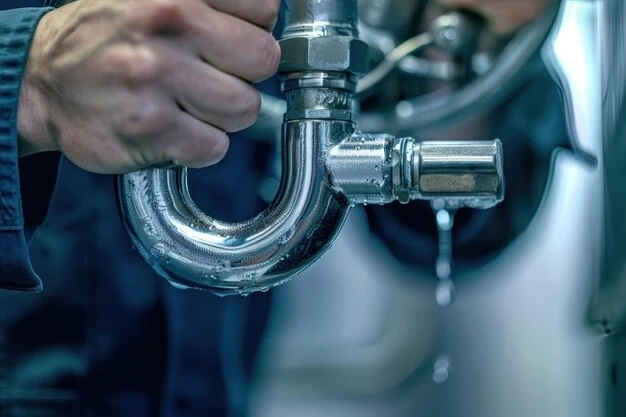
Leaky, corroded pipes are common in older homes, especially those with plumbing systems that are several decades old. Over time, pipes can become weakened due to corrosion from hard water, the natural aging process, or even poor initial installation. These issues can cause small cracks or leaks, which can grow into bigger problems if left unchecked.
Water repair service can temporarily fix leaks, but they may not address the root cause of the problem, which is the corrosion itself. As the pipes age, the problem worsens, and you may find yourself spending money on repeated repairs. This is where water pipe restoration through repiping comes in. Instead of constantly patching up leaks, repiping replaces old, corroded pipes with new, durable materials that eliminate the issue for good.
How Does Repiping Solve the Problem?
Repiping involves replacing your old plumbing system with new pipes that are resistant to corrosion and damage. This process addresses the underlying cause of leaks and water pressure issues, providing a permanent solution.
Repiping not only fixes existing leaks but also prevents future issues, saving you time and money in the long run. New pipes are designed to withstand high water pressure, resist corrosion from minerals and chemicals, and ensure the smooth flow of water throughout your home.
Signs You Need to Repipe Your Home
How do you know if your home is ready for repiping? Here are a few common signs:
1. Frequent Leaks: If you're constantly calling for water repair service to fix leaks, it may be a sign that your pipes are deteriorating.
2. Rusty or Discolored Water: Corroded pipes can cause rust and sediment to mix with your water supply, giving it a brown or yellowish tint.
3. Low Water Pressure: Old, clogged pipes can restrict the flow of water, causing a noticeable drop in water pressure throughout your home.
4. Water Stains: Water stains on your walls or ceilings can indicate that pipes inside the walls are leaking, often due to corrosion.
5. Old Plumbing: Homes built before the 1970s may still have galvanized steel pipes, which are prone to corrosion. If your home has these old pipes, repiping is often the best option.
Why Repiping Is the Best Solution
Repiping offers several benefits that other solutions cannot match. Here’s why it’s worth considering:
● Long-Term Fix: While repairs may temporarily fix leaks, they don’t solve the bigger problem of corrosion. Repiping restores your entire system, ensuring that your pipes last for decades.
● Improved Water Quality: New pipes are cleaner and won’t introduce rust, sediment, or chemicals into your water supply, improving water quality throughout your home.
● Increased Home Value: If you're planning to sell your home in the future, having a repiped system can be a selling point for potential buyers who won’t have to worry about plumbing issues.
In Conclusion
If you’re dealing with leaky, corroded pipes, it’s time to consider repiping as a permanent solution. Water pipe restoration through repiping can eliminate leaks, improve water quality, and prevent costly repairs down the road. Don't let plumbing problems disrupt your daily life. Instead of repeatedly calling for water repair service, opt for repiping to fix the issue for good.