



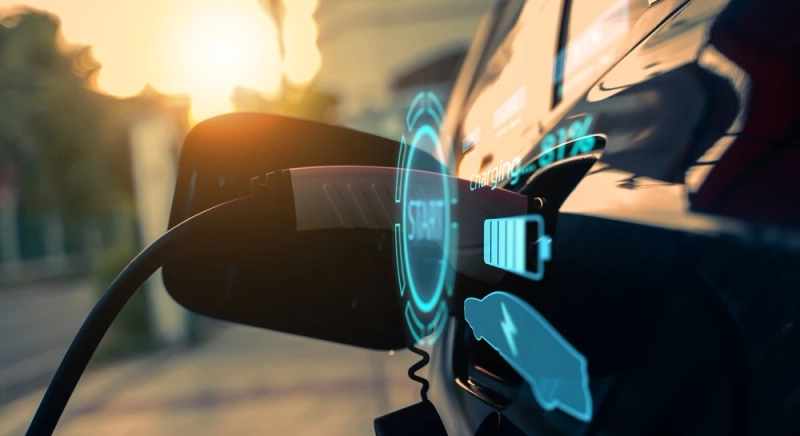
Electric cars are growing fast on the roads today. More people choose them over old gasoline cars. They want a cleaner world. They want to save money on fuel. But one thing holds many back. It is charging time. Sitting by a slow charger for hours can test your patience. Something new is here to change that. It is a powerful way to fill an electric car in minutes.
A New Way to Charge
Fast charging uses high power energy. It sends energy to the car in a quick burst. The power comes from special stations. These stations are stronger than the ones at home. You plug in at dc fast charging stations and wait only a short time. In many cases, you can add enough range in twenty minutes. That is faster than cooking a meal. The best part is that this speed makes long trips real. Drivers can stop for a quick snack. Then they can go on with full charge.
From Plug to Drive
When you connect a fast charger to your vehicle, magic happens. Inside the charger, energy moves through big wires. The charger turns the electricity into a form the car battery likes. That step is called conversion. Then the machine talks to the car. It checks how much charge the battery can take. It sets the right speed. This way, it keeps the battery safe. No one wants heat or harm. All this happens in seconds. The car starts to fill up. You can see percent numbers on your screen rise fast.
Building the Network
Good chargers must sit in many spots. You need them at rest stops, malls, and city streets. Charging companies pick busy places. They talk with shop owners and land managers. They also work with electric companies. Strong power lines must reach each station. Sometimes new lines go underground. Workers dig to lay cables. Then they set up the station equipment. It takes time and work. But the result is worth it. A wide network of dc fast charging stations means drivers can count on power all around the country.
Good for the Planet
Fast chargers help the planet in big ways. More use of electric cars means less smoke in the air. This lowers carbon and other bad gases. Cleaner air means healthier people. Cities breathe again. Kids can play outside without worries. Electric cars also run more quietly. Streets become more peaceful. The boost in clean energy can push power plants to be greener. They may add more solar and wind to meet demand. The whole energy scene can turn to renewables.
Challenges to Overcome
Nothing is perfect at first. Fast charging stations need lots of power. This can be a strain on the electric grid. In some rural areas, lines are old and weak. They must be upgraded to handle the load. That costs money and time. Another issue is the cost of the station itself. The machines and land can cost millions of rupees. Then there is upkeep. Stations need repairs and software updates. And there is an etiquette question. Cars can park too long after charging. This blocks the spot for others. A rule to limit parking time may help.
Making Charging Fair
Charging fees vary by place. Some stations charge per minute. Others charge per kilowatt hour. A fair price system is key to spread the tech. Drivers should not pay too much. Some areas offer free charging at first. They hope to teach people about EVs. Later, fees may start. Planning the right fees keeps dc fast charging stations busy but not crowded. Apps can help find prices and spots. They guide drivers to the best deals.
Good Design Matters
Station design affects user experience. A simple menu on the screen helps drivers. Clear signs guide them to the right plug. Good lighting keeps people safe at night. Shade or cover can protect from rain. Payment options must be easy. Contactless cards, phone apps, or tap pay are best. Clean work areas make a big difference. People feel welcome when stations look neat and cared for.
Fast Charging and Batteries
Some worry fast charging hurts batteries. Charging too fast can heat cells. Heat can shorten battery life. But modern cars have smart systems. They cool the battery with liquid or air. They limit the charging speed when needed. This keeps the cells healthy. As battery tech improves, cells handle speed better. Soon, cars will charge faster with less impact on the battery.