



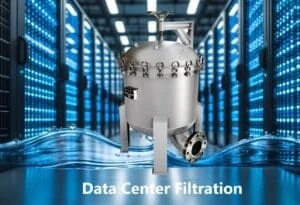
Most people don’t think about air when they think about data centers. Power, cooling, uptime - sure. But air quality usually gets attention only after something goes wrong. That’s a mistake, because data center filtration quietly affects how reliable and long-lasting the entire setup really is.
Servers breathe constantly. Every fan pulls in air from the room, and whatever is in that air ends up inside the equipment. You don’t need a dusty warehouse for problems to start. Even spaces that look clean can carry contaminants that slowly wear hardware down.
Dust Isn’t Just Dust in a Server Room
In normal buildings, dust is mostly annoying. In a data center, it’s a technical problem. Fine particles settle on circuit boards, clog airflow paths, and trap heat. Over time, this leads to hotspots, stressed components, and failures that seem to come out of nowhere. Solid data center filtration is about stopping those particles before they ever reach the racks.
Some common sources people overlook:
- Dust entering through outside air intakes
- Fibers from cardboard boxes and packaging
- Particles stirred up during routine maintenance
The Bigger Problem Most Teams Miss: Gases
Here’s where things get interesting. Not all threats float around as visible dirt. Certain gases in the air react with metal surfaces inside electronics. These reactions cause corrosion, which can interfere with signals or damage connectors. You won’t see this happening day to day, but it adds up fast. This is another reason data center filtration needs to go beyond basic dust control.
Facilities near traffic, industrial areas, or even coastal regions tend to face higher risks from corrosive gases.
Airflow Makes or Breaks Filtration
Filters alone don’t solve anything if air moves the wrong way. Poor airflow can pull unfiltered air through gaps or let contaminants settle in quiet corners of the room. A proper data center filtration strategy looks at how air enters, where it travels, and how it exits.
Things that usually need attention
- Pressure balance between rooms
- Openings around cables and raised floors
- Matching filter performance to airflow volume
One Size Never Fits All
Every site is different. A facility in a clean suburban area doesn’t face the same air challenges as one near highways or construction zones. That’s why data center filtration works best when it’s based on real environmental conditions, not assumptions. Testing and monitoring matter just as much as the filter media itself.
Why This All Matters in the Long Run
Air contamination doesn’t usually cause dramatic failures overnight. It causes slow, expensive ones. Shorter hardware life, unexplained glitches, and rising maintenance costs all trace back to poor air quality. When data center filtration is handled properly, systems run more predictably, and problems stop piling up quietly in the background.
Clean air may not be flashy, but in a data center, it’s part of the foundation.