



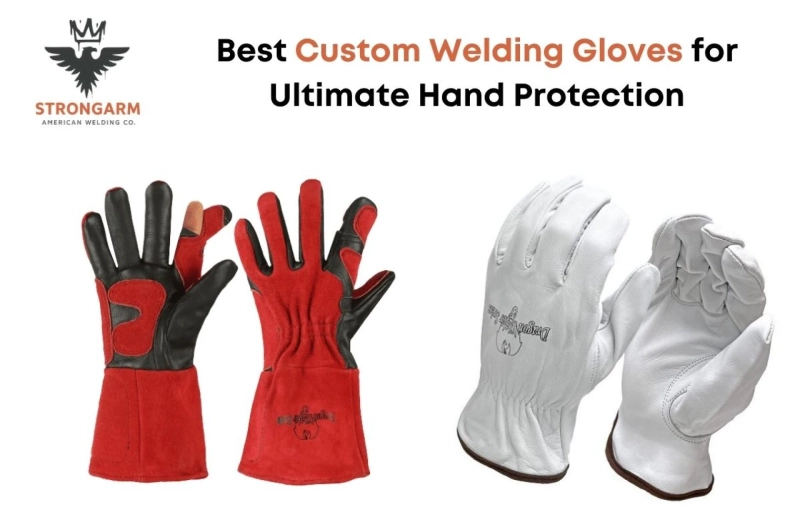
In today’s fast-paced industrial and DIY environments, safety is paramount. One of the most overlooked yet critical safety tools in any workshop or manufacturing setting is the cut resistant glove. These specialized gloves are designed to protect your hands from sharp objects, hot surfaces, and other potential hazards that can cause serious injury. Whether you’re a welder, carpenter, or metalworker, the right cut resistant gloves can prevent accidents that may lead to lost workdays, costly medical bills, and long-term damage. Selecting gloves that combine durability, comfort, and maximum protection is key to ensuring both productivity and safety in your workplace.
Why Cut Resistant Gloves Are a Must-Have
Cut resistant gloves are not just another piece of safety gear—they are a necessity for anyone handling knives, glass, metal, or power tools. The primary purpose of these gloves is to create a barrier between the hand and sharp objects, significantly reducing the risk of cuts and lacerations. Modern gloves are made using advanced materials such as Kevlar, Dyneema, and high-performance polyethylene, offering varying levels of cut protection depending on the job requirements. In addition to their protective function, many gloves also provide excellent grip and dexterity, allowing workers to handle tools and materials efficiently without sacrificing safety. For American industries where compliance with OSHA safety regulations is critical, cut resistant gloves are a reliable solution to maintain both safety standards and workflow efficiency.
How to Choose the Right Cut Resistant Gloves
Selecting the ideal cut resistant glove can be overwhelming due to the variety of options available on the market. It is important to consider the specific hazards present in your work environment. Gloves are rated based on cut resistance, often using the ANSI/ISEA standard, which ranges from Level A1 (light protection) to Level A9 (extreme protection). While thicker gloves generally offer more protection, they may reduce hand mobility, so finding a balance between safety and comfort is essential. Features such as heat resistance, waterproofing, and reinforced palms can add extra layers of protection for specialized tasks. For professionals working in welding or metal fabrication, investing in gloves that are both cut and heat resistant ensures comprehensive safety. Companies like Strongarm Welding provide a range of options designed for these specific industrial needs, helping workers stay protected without compromising their ability to perform precise tasks.
Benefits of Using Cut Resistant Gloves in Welding
Welding is an industry where hand injuries are particularly common due to exposure to sharp metal edges, sparks, and hot surfaces. Using cut resistant gloves in welding operations not only protects the hands from accidental cuts but also enhances overall job performance. Modern welding gloves are engineered to withstand high temperatures while offering resistance to cuts and abrasions. The combination of materials like leather, Kevlar, and reinforced synthetic fibers ensures durability, flexibility, and safety. Additionally, cut resistant gloves reduce hand fatigue, allowing welders to work longer periods with confidence and precision. For welding companies in the USA, prioritizing protective gear is not only a safety concern but also a legal requirement, making investment in quality gloves a smart choice. Companies such as Strongarm Welding specialize in providing gloves tailored to the demanding needs of professional welders.
Tips for Maintaining and Extending the Life of Your Gloves
Even the best cut resistant gloves require proper care to maintain their protective qualities. Regular cleaning, inspection, and appropriate storage can extend the life of your gloves and ensure consistent performance. Avoid using gloves for tasks beyond their intended purpose, as overuse can compromise the material and reduce protection. For leather-based gloves, conditioning with leather treatments helps maintain flexibility, while synthetic gloves should be washed according to manufacturer guidelines. Replacing worn-out gloves promptly is crucial to prevent accidents caused by reduced protection. By following these simple maintenance steps, workers can maximize the return on their investment in safety gear while keeping their hands safe from harm.
Final Thoughts on Investing in Safety
Investing in high-quality cut resistant gloves is more than a purchase—it is a commitment to workplace safety and productivity. These gloves provide essential protection for various industries, from welding and construction to food processing and glass handling. By selecting the right gloves, adhering to safety standards, and maintaining the gear properly, workers can significantly reduce the risk of hand injuries. In the USA, where workplace safety regulations are strict, using reliable gloves ensures compliance while protecting valuable personnel. Companies such as Strongarm Welding stand out by offering gloves that balance protection, comfort, and durability, making them an excellent choice for professionals who prioritize both safety and efficiency. Protect your hands today—because in any industry, safe hands mean a safer and more productive workplace.