



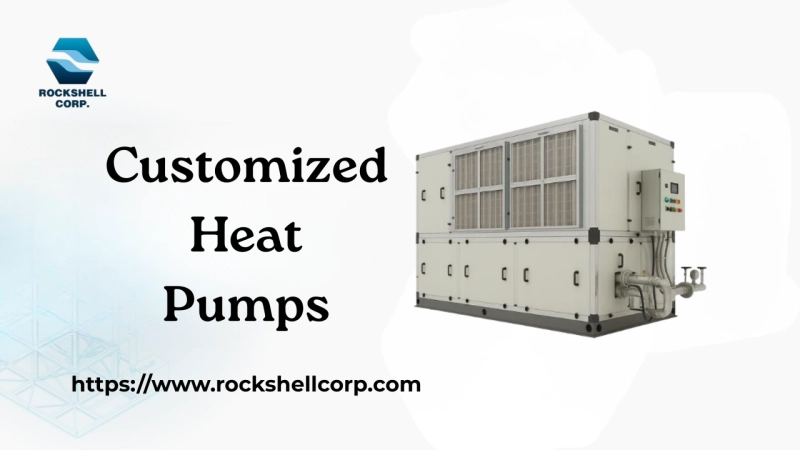
In modern industrial settings, energy demands are soaring and sustainability goals are becoming core business priorities. As companies seek ways to improve efficiency while reducing carbon footprints, customized heat pump manufacturers in India are playing a pivotal role by delivering tailored solutions that meet complex industrial heating and cooling needs. Unlike off‑the‑shelf units, customized heat pumps are engineered to match specific process requirements, installations, and performance expectations making them ideal for large‑scale industrial applications such as chemical processing, food and beverage operations, textile drying, and more.
What Are Customized Heat Pumps?
Heat pumps are systems that transfer thermal energy from one source to another typically extracting heat from the environment or waste streams and upgrading it to useful temperature levels. Customized heat pumps take this principle further by being designed specifically for an industry’s unique needs, with tailored capacities, temperature ranges, mounting configurations, refrigerant choices, and control systems. According to industry sources, such bespoke systems can handle demanding conditions such as harsh chemicals, variable load profiles, and specialized temperature targets not achievable with standard units.
Key Benefits of Customized Heat Pumps in Industry
1. Enhanced Energy Efficiency and Lower Operating Costs
Industrial processes are energy intensive, and traditional heating or cooling based on fossil fuels or electric resistance can be costly and inefficient. Heat pumps can deliver multiple units of heat for every unit of electricity consumed thanks to a high coefficient of performance (COP), making them significantly more energy‑efficient than conventional systems. By capturing and upgrading waste heat already present in industrial processes, customized heat pumps reduce both energy use and operational expenses.
2. Reduced Carbon Emissions
Carbon reduction is central to modern industrial strategies. Because heat pumps can replace or supplement fossil fuel‑based heating systems, they help cut greenhouse gas emissions. When these systems are powered by renewable electricity sources, their contribution to sustainability goals becomes even more pronounced enabling companies to meet environmental targets and regulatory requirements more effectively.
3. Tailored Performance for Specific Processes
Off‑the‑shelf units often fall short when industry processes require non‑standard temperature levels, unique installation spaces, or integration with other equipment. Customized solutions can be tailor made with specific features like hybrid heat sources, simultaneous heating and cooling capabilities, specialized materials of construction (like titanium or stainless steel), and smart control systems compatible with building management systems (BMS). These adaptations ensure optimal performance and reliability in demanding environments.
4. Flexibility and Scalability
Large industrial facilities often experience fluctuating production demands or plan for future expansion. Custom heat pumps can be designed with modular architectures that allow easy scaling, adding capacity or features as operational needs evolve. This flexibility makes them suitable for both current and future requirements without major system overhauls.
Important Considerations Before Installation
While the benefits are substantial, several considerations should guide investment in customized heat pump technology:
1. Detailed Process Assessment
Because each industrial application is unique, a thorough assessment of heat needs, process temperatures, waste heat availability, and integration challenges is essential. Proper sizing and configuration based on this assessment ensure both performance and cost effectiveness.
2. Initial Investment
Customized heat pumps often require higher upfront costs compared with standard systems due to tailored design and engineering. However, these costs are typically recouped over time through reduced energy bills and maintenance savings. Businesses should conduct detailed return‑on‑investment (ROI) analyses to forecast long‑term benefits.
3. Technical Expertise and Support
Working with an experienced bespoke solution provider ensures smoother implementation. A reputable customized heat pump manufacturer in India will offer technical support from initial design to installation and post‑commissioning service, ensuring system performance aligns with expectations.
4. Integration with Existing Systems
Many facilities already use boilers, chillers, or other thermal equipment. Customized heat pumps should be designed to integrate seamlessly with existing infrastructure to avoid disruption to ongoing operations and maximize system synergies.
Conclusion
Customized heat pumps are reshaping how large industrial facilities approach thermal energy management. From improved energy efficiency and reduced emissions to tailored solutions that meet the most demanding process requirements, these systems offer a powerful alternative to traditional heating and cooling technologies. By choosing the right manufacturer and investing in well‑engineered, process‑specific designs, industries can achieve substantial operational and environmental benefits.