



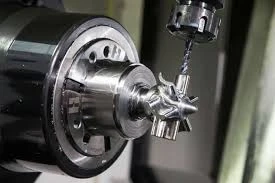
The medical device industry demands unmatched precision, reliability, and safety in every component used in surgeries, diagnostic tools, and therapeutic equipment. Custom medical CNC machining has emerged as a pivotal solution to meet these rigorous standards, enabling manufacturers to produce intricate parts with high accuracy. Unlike conventional machining methods, custom medical CNC machining allows for complex geometries, tight tolerances, and repeatable quality, ensuring medical devices perform flawlessly under critical conditions. With advancements in technology, CNC machining provides the flexibility and precision that modern medical applications require, making it a cornerstone in medical device manufacturing.
By integrating advanced CNC machinery with skilled engineering expertise, manufacturers can produce highly specialized components such as orthopedic implants, surgical instruments, and diagnostic devices. Custom medical CNC machining offers a streamlined process from design to production, reducing errors, minimizing material waste, and enhancing overall efficiency. Furthermore, the adaptability of CNC machining allows for quick modifications to designs without compromising precision, which is essential in a field where innovation and rapid prototyping are common. As a result, medical manufacturers increasingly rely on custom CNC solutions to maintain quality, improve patient outcomes, and adhere to stringent regulatory standards.
Precision Engineering for Complex Medical Devices
Medical devices often involve highly intricate designs that require micron-level accuracy. Custom medical CNC machining ensures that these complex parts are produced with exacting standards, allowing for reliable functionality in critical applications. From cardiovascular stents to dental implants, every component must fit perfectly within the human body to function effectively. CNC machines can achieve the tight tolerances necessary for such precision, significantly reducing the risk of malfunction or device failure. Additionally, these machines can handle a wide range of materials, including stainless steel, titanium, and medical-grade polymers, which are essential for biocompatibility and long-term performance.
The precision offered by custom medical CNC machining is not just about dimensions; it also involves surface finish and texture, which are critical in medical applications. Smooth surfaces reduce the risk of bacterial contamination, enhance tissue integration, and improve the overall performance of medical implants. CNC machining processes like milling, turning, and grinding allow for controlled material removal, producing components that meet both mechanical and biological requirements. By combining precision engineering with high-quality materials, custom CNC machining plays a vital role in creating medical devices that are safe, effective, and durable.
Enhanced Safety and Regulatory Compliance
In the medical industry, safety and compliance with regulations are non-negotiable. Custom medical CNC machining helps manufacturers meet stringent standards set by organizations such as the FDA, ISO, and other regulatory bodies. By maintaining precise tolerances, consistent quality, and traceable production processes, CNC machining ensures that every component aligns with medical safety requirements. This level of control minimizes the risk of defective parts entering the market, which could have serious consequences for patients and healthcare providers.
Moreover, CNC machining allows for meticulous documentation of every step in the manufacturing process. Each batch of components can be tracked, and inspection records can be maintained, providing evidence of compliance during audits or regulatory reviews. Custom medical CNC machining also enables manufacturers to implement advanced quality control methods, such as in-process measurement and post-production inspection, ensuring that all parts conform to design specifications. This rigorous approach not only enhances patient safety but also strengthens the reputation of medical device manufacturers, fostering trust among healthcare professionals and end-users.
Cost-Effective and Efficient Production
While precision and safety are paramount, cost efficiency is equally important in medical device manufacturing. Custom medical CNC machining offers a cost-effective solution by reducing waste, minimizing rework, and shortening production cycles. CNC machines are programmed for optimized cutting paths and material usage, ensuring that expensive medical-grade materials are utilized efficiently. Additionally, the automation inherent in CNC machining reduces labor costs and the potential for human error, contributing to overall production savings.
Another advantage of custom medical CNC machining is its ability to scale production without compromising quality. Whether producing a single prototype or large-scale components for commercial distribution, CNC systems can maintain consistency and repeatability. This flexibility allows medical manufacturers to adapt quickly to market demands, launch new products faster, and respond to evolving healthcare needs. By combining efficiency with high-precision output, custom CNC machining provides a strategic advantage in delivering cost-effective, high-quality medical devices.
Innovation Through Advanced Machining Techniques
The evolution of medical technology continually demands new and innovative components that traditional manufacturing methods cannot always produce. Custom medical CNC machining empowers engineers to push the boundaries of design and functionality. Multi-axis CNC machines, for example, can create complex geometries and intricate features that are impossible with conventional techniques. This capability enables the development of next-generation implants, minimally invasive surgical tools, and highly specialized diagnostic devices that improve patient outcomes.
Furthermore, CNC machining supports rapid prototyping and iterative design, allowing manufacturers to test and refine components before full-scale production. This iterative process not only accelerates innovation but also ensures that medical devices are optimized for performance and safety. Advanced simulation and CAD/CAM integration in CNC machining facilitate precise control over machining parameters, reducing trial-and-error and accelerating development timelines. With custom medical CNC machining, the medical industry can continuously innovate while maintaining the highest standards of quality and safety.
Future Trends in Custom Medical CNC Machining
The future of medical device manufacturing will increasingly rely on automation, precision, and material innovation. Custom medical CNC machining is poised to play a central role in this evolution, integrating smart technologies, AI-assisted programming, and additive manufacturing hybrid techniques. These advancements will enable even more intricate designs, faster production cycles, and greater customization, meeting the growing demand for personalized medical solutions. The integration of IoT and real-time monitoring in CNC machines will further enhance quality control and predictive maintenance, reducing downtime and ensuring consistent output.
As healthcare moves toward more patient-specific solutions, the ability of custom medical CNC machining to produce tailored implants, prosthetics, and surgical tools will become a key differentiator for manufacturers. Biocompatible and advanced materials, coupled with high-precision machining, will allow for devices that are both highly functional and safe. The continued evolution of CNC technology promises to revolutionize medical device manufacturing, supporting innovation, improving patient care, and maintaining the rigorous standards required in the medical field.
Conclusion
Custom medical CNC machining has transformed the landscape of medical device manufacturing by providing unmatched precision, safety, and efficiency. From intricate components for surgical instruments to patient-specific implants, CNC machining ensures reliability and performance at every stage of production. Its ability to maintain strict tolerances, comply with regulatory standards, and adapt to complex designs makes it indispensable for modern healthcare solutions.
As technology advances, custom medical CNC machining will continue to drive innovation, enabling manufacturers to meet the growing demands of the medical industry while maintaining the highest quality standards. By combining engineering expertise, state-of-the-art machinery, and rigorous quality control, medical manufacturers can produce components that not only meet but exceed expectations, ultimately improving patient outcomes and advancing the field of healthcare.