


Flags have been used for centuries to communicate identity, ownership, celebration, and information. In today’s world, flags are no longer limited to national symbols or historical emblems. Businesses, organizations, events, and individuals now rely on custom flags printing to convey messages clearly and visually in public and private spaces.
With advances in printing technology, flag printing has become more accessible, flexible, and precise. From outdoor advertising and sports events to community gatherings and vehicle displays like car flags, printed flags play a practical role in modern communication.
This article provides a clear and educational overview of custom flags printing. It explains how flag printing works, where it is commonly used, the benefits and challenges involved, and what practical considerations matter most. The goal is to help readers understand the topic thoroughly without promotional language or sales intent.
Understanding Custom Flags Printing
What Is Custom Flags Printing?
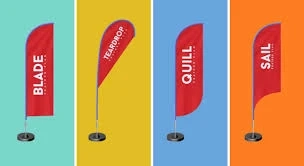
Custom flags printing refers to the process of designing and producing flags with specific colors, text, logos, or graphics based on individual or organizational needs. Unlike standard flags, custom-printed flags are tailored in size, shape, material, and design.
The customization aspect allows flags to serve informational, directional, or representational purposes. For example, a company may print flags to mark an event location, while a sports fan may use a personalized flag to show support.
How Flag Printing Has Evolved
Traditional flag-making relied on hand stitching and fabric dyeing. Modern flag printing uses digital and screen-printing techniques that allow for:
- Faster production times
- More complex designs
- Consistent color accuracy
- Scalability for bulk orders
Today’s flag printing methods can handle high-resolution graphics and detailed typography, making custom flags more versatile than ever.
Common Types of Printed Flags
Outdoor Flags
Outdoor flags are designed to withstand environmental conditions such as wind, sunlight, and rain. They are commonly used for:
- Public events
- Street displays
- Institutional signage
- Outdoor promotions
Durability is a key consideration, as these flags are often displayed for extended periods.
Indoor Flags
Indoor flags are typically lighter and focus more on visual appearance than weather resistance. They are often used in:
- Offices
- Exhibition halls
- Conference rooms
- Educational institutions
Because indoor flags face less physical stress, printing quality and fabric finish are usually prioritized.
Car Flags
Car flags are a specialized category designed for vehicles. They are commonly attached to car windows or mounted on vehicle poles. These flags are widely used during:
- National celebrations
- Sports tournaments
- Parades and rallies
- Awareness campaigns
Car flags require secure mounting and flexible materials to ensure safety while driving.
Materials Used in Flag Printing
Polyester Fabric
Polyester is one of the most commonly used materials in flag printing. It is lightweight, durable, and suitable for both indoor and outdoor use. Polyester flags allow ink to penetrate well, ensuring visibility from both sides.
Nylon Fabric
Nylon is known for its strength and vibrant color display. It is often used for outdoor flags that need to move freely in the wind while maintaining visual clarity.
Satin and Decorative Fabrics
For ceremonial or decorative purposes, satin or similar fabrics may be used. These materials are less durable outdoors but offer a polished appearance indoors.
Flag Printing Techniques Explained
Digital Printing
Digital flag printing uses inkjet technology to apply designs directly onto fabric. This method is ideal for:
- Small to medium quantities
- Complex or detailed designs
- Multiple color gradients
Digital printing allows for quick changes in design and is commonly used in custom flags printing.
Screen Printing
Screen printing involves pushing ink through a stencil onto fabric. It is suitable for:
- Large production runs
- Simple designs with fewer colors
- Consistent repeat printing
While setup takes longer, screen printing is cost-effective for bulk orders.
Dye Sublimation
Dye sublimation printing involves transferring dye into the fabric using heat. The result is a long-lasting print that does not crack or peel. This method is widely used in professional flag printing due to its durability.
Practical Uses of Custom Flags Printing
Events and Public Gatherings
Custom flags are often used to mark entrances, guide attendees, or display event themes. For example, festivals and exhibitions use printed flags to create visual consistency and help visitors navigate the area.
Educational and Institutional Use
Schools, universities, and government institutions use flags to represent values, departments, or special occasions. Custom designs allow institutions to communicate identity clearly.
Sports and Recreation
Sports teams and fans frequently rely on printed flags for support and recognition. From stadium displays to handheld flags, flag printing supports both organization branding and fan engagement.
Transportation and Vehicles
Car flags are widely used for temporary messaging during events. Their compact size and visibility make them effective for mobile displays without permanent installation.
Benefits of Custom Flags Printing
High Visibility Communication
Flags naturally attract attention due to their movement and elevation. Custom designs enhance this visibility by adding clear messages or recognizable symbols.
Flexible Design Options
Custom flags printing allows for full control over design elements such as:
- Colors
- Shapes
- Sizes
- Text placement
This flexibility makes flags suitable for a wide range of purposes.
Reusability
Printed flags can be reused for recurring events or long-term displays, making them a practical solution compared to disposable signage.
Easy Installation
Most flags are easy to install and remove, whether on poles, walls, vehicles, or stands. This convenience supports temporary and seasonal use.
Challenges and Considerations
Weather Exposure
Outdoor flags face constant exposure to wind, sun, and rain. Over time, this can cause fading or fabric wear. Choosing appropriate materials and printing methods is essential.
Design Readability
A flag’s design must remain readable from a distance and while moving. Overly detailed graphics or small text may not be effective.
Color Accuracy
Colors may appear different on fabric than on digital screens. Professional flag printing requires proper color calibration to ensure accurate results.
Size and Proportion
Selecting the right size is important. Flags that are too small may go unnoticed, while oversized flags may be difficult to install or manage.
Real-World Example: Community Event Flags
Consider a community organizing an annual cultural festival. Custom flags printing can be used to:
- Mark entry and exit points
- Display festival themes
- Guide traffic using car flags
- Create visual unity across locations
By choosing durable materials and simple designs, organizers ensure that flags remain effective throughout the event and can be reused in future years.
Role of Printing Service Providers
While this article does not promote any service, it is important to understand the role of professional printing providers in the process. Companies such as Zahrat Al Madina Printing Services represent the type of specialized provider that handles design preparation, material selection, and printing accuracy.
Professional services help ensure that custom flags meet technical requirements such as durability, color consistency, and proper finishing.
Practical Tips for Beginners
- Start with a clear purpose for the flag
- Use simple, bold designs for better visibility
- Choose materials based on indoor or outdoor use
- Consider how the flag will be mounted or displayed
- Plan for maintenance or replacement if used long-term
These steps help avoid common mistakes and improve the effectiveness of flag printing projects.
Future Trends in Flag Printing
Sustainable Materials
There is growing interest in eco-friendly fabrics and inks. Future flag printing solutions are likely to focus on reducing environmental impact.
Improved Printing Technology
Advancements in digital printing continue to improve resolution, speed, and durability, making custom flags printing more efficient.
Increased Personalization
Smaller production runs and on-demand printing allow individuals and small groups to create personalized flags without large orders.
Conclusion
Custom flags printing is a practical and versatile method of visual communication in today’s world. From large outdoor displays to compact car flags, printed flags serve informational, cultural, and organizational purposes across many settings.
Understanding materials, printing techniques, design principles, and usage scenarios helps beginners make informed decisions. While challenges such as weather exposure and design clarity exist, proper planning and professional execution can address these issues effectively.
By exploring the fundamentals of flag printing and its real-world applications, readers can develop a strong, future-relevant understanding of how custom flags function as a reliable and adaptable communication tool.